





There was a time when buying glasses meant a predictable routine: book an appointment, sit through an exam, pick from a limited wall of frames, and pay whatever the final price turned out to be.
Today, that entire experience looks almost outdated.
Brands like Zenni Optical quietly reshaped how people buy glasses-not by making the process more “luxury,” but by making it simpler, faster, and far more experimental.
And that shift didn’t just change shopping. It changed how people think about their own faces.
Glasses Used to Be a “One Decision Every Few Years” Product
For most people, glasses were something you committed to for a long time. The price made experimentation feel risky:
- One frame choice
- One budget decision
- One style you had to live with
So people often played it safe. Neutral frames. Minimal design. Nothing too bold.
Not because they liked it-but because replacing it felt expensive and inconvenient.
Then Glasses Became a Digital Experiment
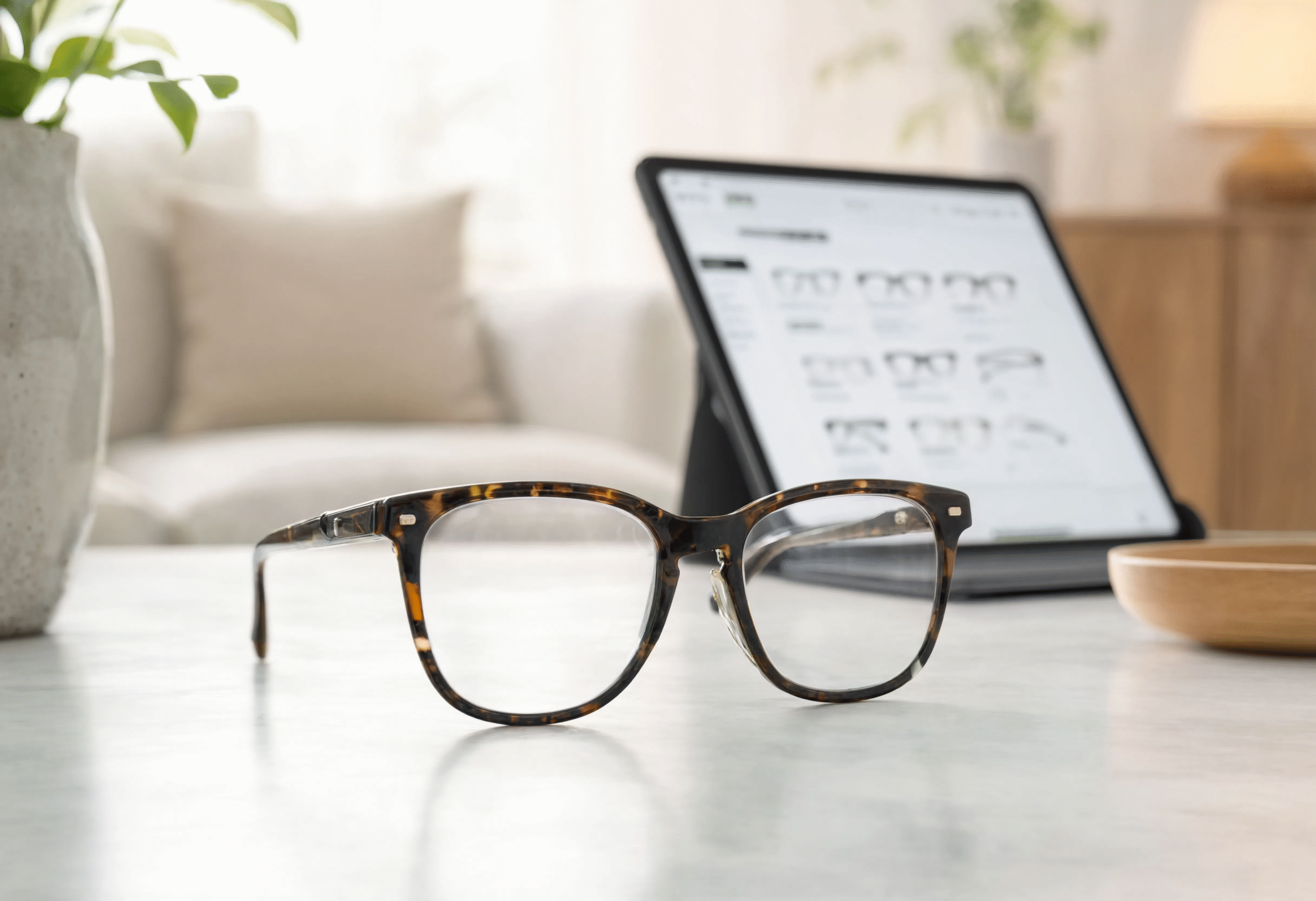
Online eyewear platforms changed a surprisingly emotional part of shopping: trying things without consequences.
Instead of walking out with one expensive pair, users could suddenly:
- Browse dozens (or hundreds) of frames
- Compare styles instantly
- Try different looks without pressure
- Order multiple “backup” styles at low cost
With Zenni Optical, glasses stopped being a single purchase decision and became something closer to fashion exploration.
That subtle change is why online eyewear grew so quickly: it removed fear from the decision.
The Real Revolution Was Price Psychology
It’s easy to assume the main advantage is affordability-but the deeper shift is psychological.
When glasses cost significantly less, people stop asking:
“What if I choose wrong?”
And start asking:
“What if I try something different?”
That’s a very different mindset.
Suddenly, people are willing to experiment with:
- Bold frames
- Unusual colors
- Multiple styles for different moods
- Backup pairs for travel, work, or gym use
In other words, glasses became less like medical equipment-and more like self-expression.
Virtual Try-On Changed the Confidence Game
One of the biggest barriers in online eyewear used to be uncertainty:
“Will this actually look good on me?”
Virtual try-on tools reduced that friction significantly.
Now shoppers can quickly test how frames sit on their face shape before buying. That small feature has a big impact: it replaces hesitation with momentum.
Instead of overthinking, users start narrowing choices based on what actually feels right visually.
Why People Now Own Multiple Pairs (And That Matters)
A decade ago, owning multiple prescription glasses felt unnecessary or even excessive.
Now it’s normal.
People often keep:
- A “daily” pair
- A backup pair
- A style-forward pair
- A lightweight travel pair
This shift didn’t come from medical advice-it came from pricing flexibility and easier access.
When the barrier to owning more drops, behavior changes naturally.
The Hidden Benefit: Less Pressure, Better Choices
Traditional eyewear shopping often created decision fatigue:
- Limited selection
- High cost per mistake
- Time pressure during in-store visits
Online models reduce all three.
The result is interesting: people actually end up choosing more confidently when they feel less pressured.
It’s not about having more options-it’s about having more comfortable options.
Where Online Eyewear Still Feels Different
Despite the convenience, there’s still a clear difference between online and in-person eyewear shopping:
- In-store: guided, limited, high-touch experience
- Online: independent, exploratory, flexible experience
Neither is “better” universally-but they serve different psychological needs.
Some people still want expert guidance. Others prefer control and experimentation.
Final Thought: Glasses Became Personal Again
What’s most interesting about the rise of companies like Zenni Optical isn’t just that glasses got cheaper or more accessible.
It’s that they became personal again.
Instead of being a fixed necessity you settle on, glasses became something you can:
- Switch
- Test
- Match to mood
- Treat like part of your identity
And once people experienced that flexibility, it became hard to go back to the old model of “one frame for everything.”
The real shift wasn’t online shopping.
It was the moment glasses stopped being a constraint-and started becoming a choice.