Roof Repair or Replacement: How to Find the Right Roofing Professional
Your roof is one of the most important parts of your home, protecting your property from weather and helping keep the interior comfortable. But when you notice missing shingles, leaks, discoloration, or other signs of damage, it can be difficult to know whether you need a simple repair or a complete roof replacement. The first […]
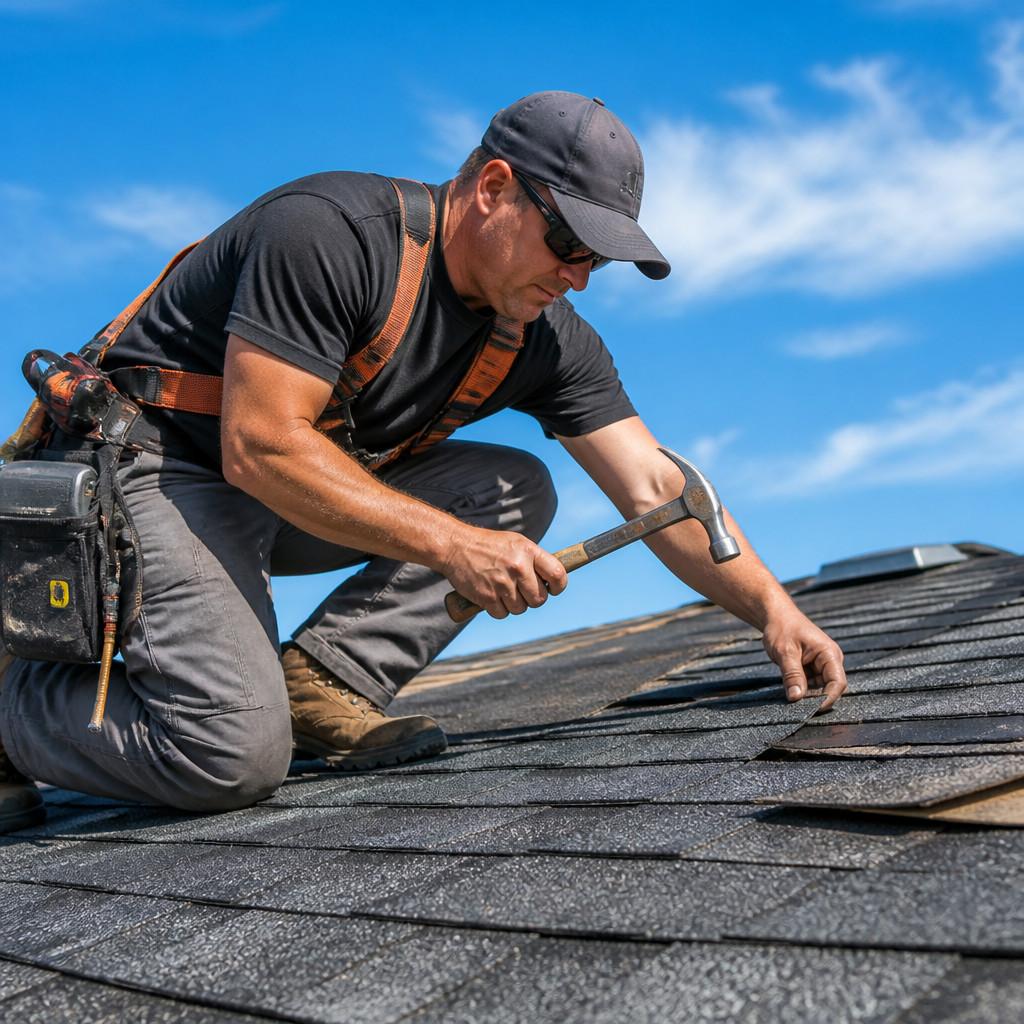
Your roof is one of the most important parts of your home, protecting your property from weather and helping keep the interior comfortable. But when you notice missing shingles, leaks, discoloration, or other signs of damage, it can be difficult to know whether you need a simple repair or a complete roof replacement.
The first step does not have to be choosing a contractor immediately. Start by understanding what your roof may need, then get a professional assessment and quote based on your home.
Find a Roofing Professional Near You
Does Your Roof Need Repair or Replacement?
Not every roofing problem requires a new roof.
A professional inspection can help determine whether the issue is limited to a specific area or whether the roof may be reaching the end of its useful life.
Some common signs that it may be time to have your roof evaluated include:
Missing or Damaged Shingles
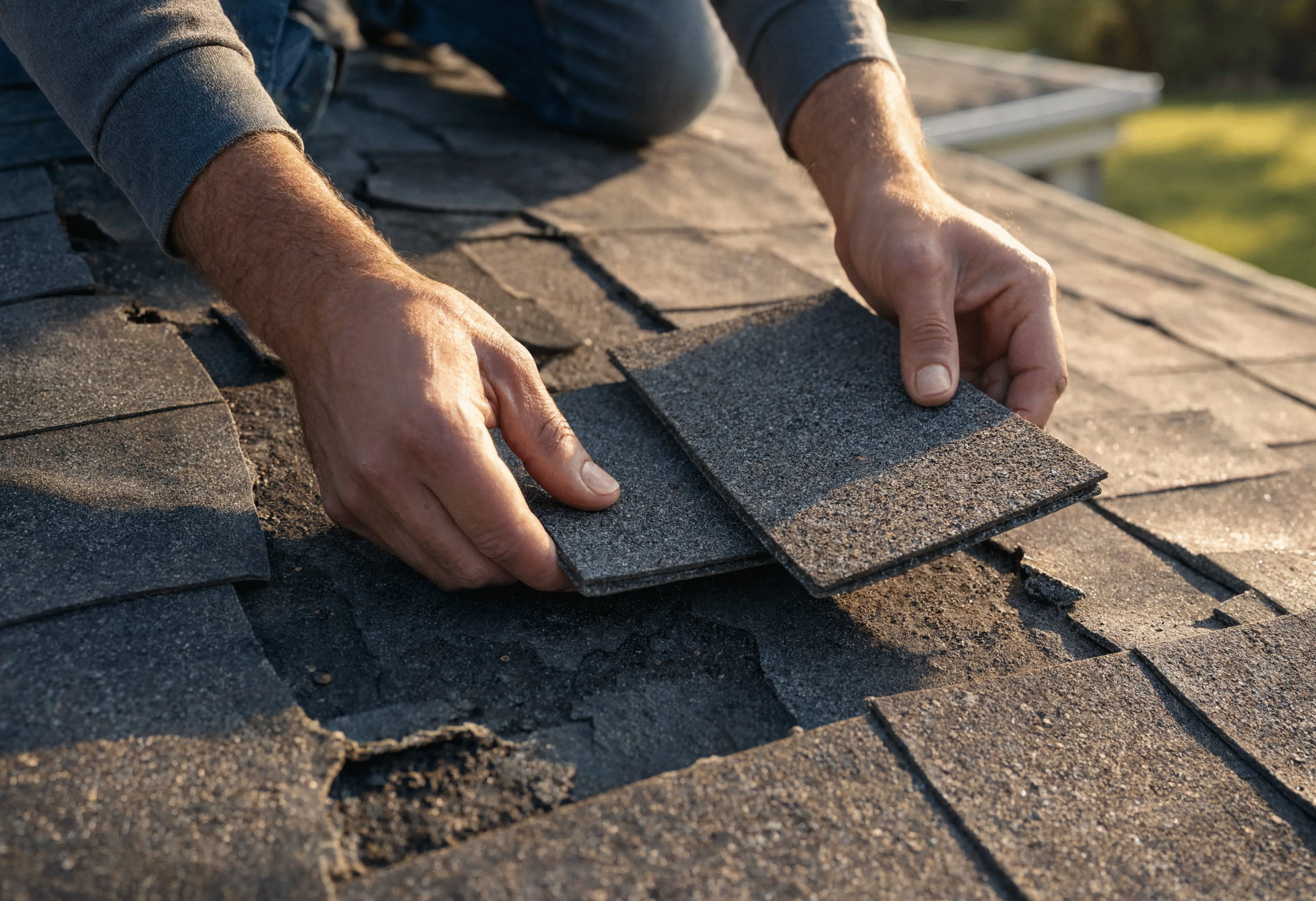
Shingles that are missing, cracked, curling, or visibly damaged can leave parts of the roof more exposed to the weather.
A professional can evaluate the affected area and determine whether individual repairs may be appropriate or whether more extensive work is needed.
Water Leaks or Ceiling Stains
Water marks on ceilings or walls can be a sign that moisture is entering the home.
The source is not always directly above the visible stain, so identifying and addressing the underlying problem is important.
A Roof That Looks Worn or Aged
Over time, roofing materials can deteriorate from exposure to sun, wind, rain, snow, and other weather conditions.
If your roof appears significantly worn, getting a professional opinion can help you understand whether repair or replacement makes more sense.
Recent Storm Damage
Severe weather can damage roofing materials even when the problem is not immediately obvious.
After a major storm, consider having the roof evaluated for damage before deciding what work is necessary.
How Much Does a New Roof Cost?
There is no single price for a new roof.
The total cost can depend on factors including:
- Roof size and design
- Roofing material
- Number of layers that need to be removed
- Condition of the roof deck
- Labor
- Accessibility
- Local costs
- Flashing, ventilation, and other installation requirements
That means an online price range can only provide general guidance. A professional quote based on your actual roof is much more useful when planning a project.
What Type of Roofing Material Is Right for Your Home?
There are several roofing materials available, and each can have different characteristics, costs, maintenance requirements, and appearance.
Asphalt Shingles
Asphalt shingles are commonly used for residential roofing and are available in a variety of styles and price points.
They may be a practical option for homeowners looking for a familiar roofing material with numerous product choices.
Metal Roofing
Metal roofing is available in different styles and finishes and can be used on many types of homes.
It may have a different upfront cost and appearance than asphalt shingles, so homeowners should compare the available options carefully.
Tile Roofing
Tile can provide a distinctive appearance and is used in many architectural styles.
Because tile can be heavier than some other roofing materials, the suitability of a particular product depends on the home’s structure and project requirements.
Other Roofing Materials
Wood, slate, and synthetic roofing products are also available for certain homes.
The appropriate material depends on your property, local climate, desired appearance, budget, and installation requirements.
A roofing professional can explain which materials are appropriate for your specific project.
Get a Professional Roof Inspection Before Making a Decision
It can be tempting to diagnose a roofing problem yourself, especially when you can see obvious damage.
However, some roofing problems are difficult to identify from the ground.
A professional can evaluate the roof’s condition and help determine:
- Whether the problem can potentially be repaired
- Whether larger sections require attention
- Whether replacement should be considered
- Which roofing materials may be appropriate
- What the project could involve
You do not need to know exactly what is wrong with your roof before requesting an estimate.
How to Find a Roofing Contractor Near You
Searching for “roofers near me” can produce plenty of results. The challenge is determining which professionals are appropriate for your specific project.
Start by looking for roofing companies that handle the type of work you need.
Then consider questions such as:
Do They Handle Repairs, Replacement, or Both?
Some roofing companies focus primarily on certain types of work. Make sure the contractor you are considering has experience with the project you need.
Are They Properly Licensed Where Required?
Licensing requirements vary by state and locality. Check applicable requirements in your area and verify credentials where appropriate.
Are Insurance Details Available?
Ask about applicable insurance coverage and request documentation when appropriate.
Is the Quote Detailed?
A clear proposal should explain what work is being performed and what is included in the price.
What Materials Are Included?
Make sure you understand the roofing material, product specifications, and any other major components included in the estimate.
What Is the Expected Timeline?
Ask when work could begin and how long the project is expected to take.
Compare Roofing Quotes Carefully
Getting more than one estimate can make it easier to understand your options.
But comparing roofing quotes should involve more than simply choosing the lowest number.
For example, two contractors may provide substantially different prices because they are proposing different materials, removing different amounts of existing roofing, or including different installation work.
When reviewing estimates, compare:
Materials: Are the same or comparable products being proposed?
Scope of work: Does each quote cover the same work?
Removal: Is removing and disposing of existing roofing included?
Repairs: Are potential repairs to the underlying roof included or listed separately?
Installation: What installation services are included?
Warranty: What warranties apply to the materials and workmanship?
Timeline: When is the contractor expecting to begin and complete the project?
A detailed comparison can help you understand what you are actually paying for.
What Should You Ask a Roofing Contractor?
Before signing a contract, take time to ask questions.
Here are several useful ones:
How did you determine that my roof needs repair or replacement?
Understanding the reason behind the recommendation can help you make a more informed decision.
What roofing material are you recommending?
Ask why that particular material is appropriate for your home.
What happens if additional damage is discovered?
Unexpected conditions can sometimes affect a roofing project. Understand how additional work would be handled before the project starts.
Will the old roofing be removed?
Clarify whether removal and disposal are included in the quoted price.
What warranty is included?
Review both material and workmanship warranty information carefully.
Who will perform the installation?
Ask whether the company uses its own crews or subcontractors and who will be responsible for the work.
Will permits be required?
Permit requirements vary by location and project. Ask who is responsible for handling applicable permits.
Should You Repair or Replace Your Roof?
There is no universal answer.
A repair may be appropriate when damage is limited and the rest of the roof remains in suitable condition.
Replacement may be worth considering when a roof has extensive damage, significant deterioration, or is otherwise approaching the point where repairs are no longer the most practical option.
The best way to determine the appropriate approach is to have the roof evaluated and discuss the options with a qualified professional.
Don’t Wait Until a Small Roofing Problem Becomes a Bigger Project
A small visible problem does not necessarily mean you need an entirely new roof. At the same time, ignoring an active leak or significant damage can allow problems to become more extensive.
Getting an assessment early gives you more information about the condition of your roof and what options may be available.
This is particularly useful if you are unsure whether your roof needs a repair, partial replacement, or full replacement.
Find a Roofing Professional
Roofing After a Storm
Storm damage deserves particular attention.
Strong winds, hail, falling branches, and other severe weather can damage roofing materials. Some problems may be visible while others require a closer inspection.
Be cautious when dealing with unsolicited contractors who pressure you to make an immediate decision after a storm. Consumer protection agencies have warned homeowners about roofing scams involving unsolicited inspections, aggressive sales tactics, unclear contracts, and upfront payments.
Take time to research the contractor, review the proposal, and understand the work before signing an agreement.
How Find My Roofing Pro Can Help You Get Started
Finding the right roofing professional can feel overwhelming when you are dealing with a leak, storm damage, or an aging roof.
Find My Roofing Pro can be used as a starting point for homeowners looking to explore roofing professionals for their project.
You can begin by providing information about your roofing needs and location, then explore your options before deciding how to proceed.
Whether you are considering a roof repair or replacement, the goal is to get enough information to make a decision that fits your home and budget.
Find My Roofing Pro
Ready to Explore Your Roofing Options?
You do not need to know exactly what is wrong with your roof before getting started.
A professional can evaluate the condition of the roof, explain potential options, and provide a project-specific estimate.
Before choosing a contractor, compare the scope of work, materials, price, warranties, timeline, and applicable credentials.
Taking a little time to understand the project can help you avoid surprises and make a more informed home improvement decision.
🏠 Does your roof need repair or replacement?
Get a free professional roofing assessment and compare quotes from local contractors near you.
Why you can trust us
The Friday Journal compares lenders and services independently. We don't accept payment for favorable coverage, and our recommendations are based on cost, terms, and real-world fit. When you use our links we may earn a commission — it never changes what we recommend or where a product ranks.