Best Running Shoes of 2026: What to Look For and Where to Find the Right Pair
The wrong running shoe is the most expensive mistake a runner can make — not in dollars, but in injury. Here's how to find the right pair for your foot, your stride, and your goals.
The Right Running Shoe Changes Everything
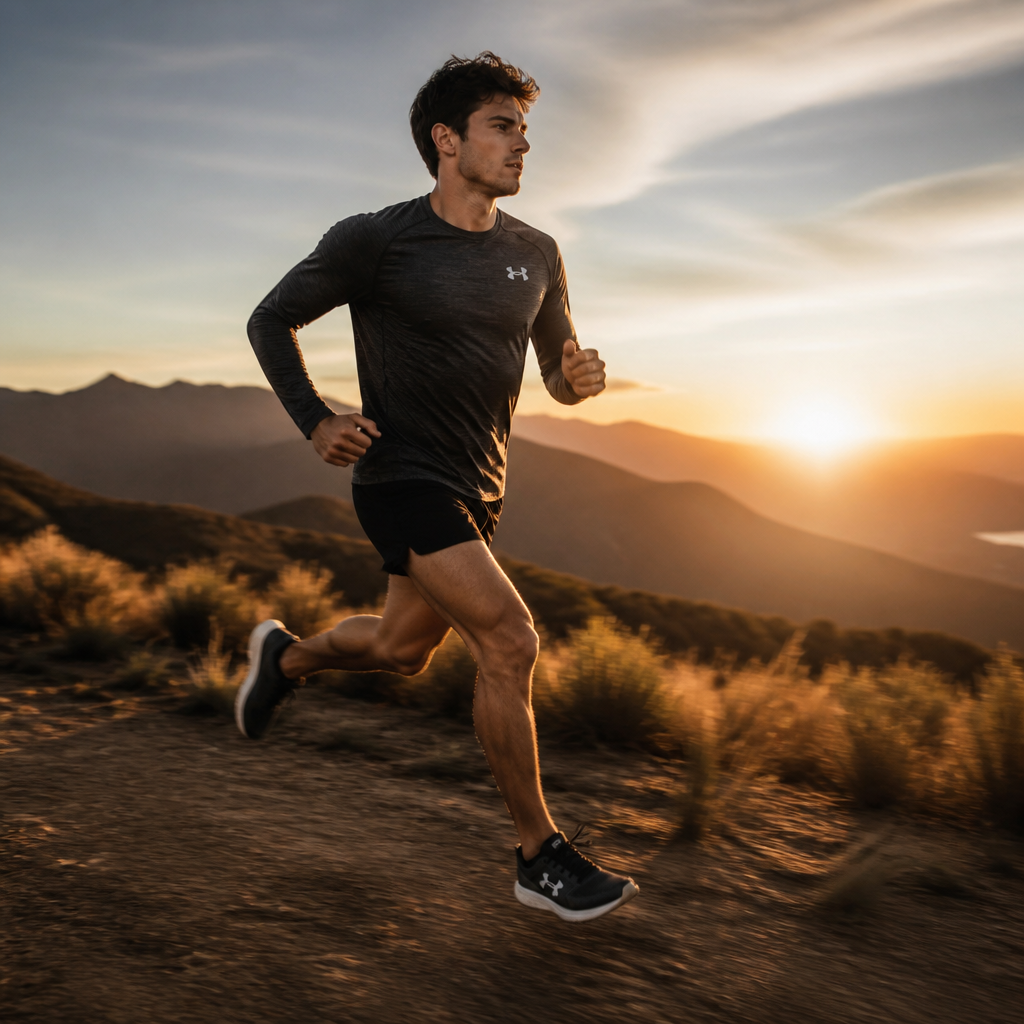
Most running injuries aren’t bad luck. They’re the result of the wrong shoe — the wrong cushioning, the wrong support, the wrong fit for a particular foot and stride.
Whether you’re training for your first 5K or logging 50 miles a week, the shoe beneath your foot is one of the most important decisions you’ll make as a runner.
This guide covers what actually matters when choosing a running shoe in 2026, which categories to consider, and what top-performing models look like across different running styles and budgets.
👟 Find your perfect running shoe
Dick’s Sporting Goods carries the full lineup from Nike, Brooks, ASICS, New Balance, Hoka, and more — with expert staff to help you choose the right fit.
How to Choose the Right Running Shoe
There’s no universally “best” running shoe. The right choice depends on several factors that are specific to you.
1. Know Your Foot Type
Neutral / Normal Arch
The most common foot type. Your foot strikes the ground and rolls inward slightly (pronates) in a controlled way. Most running shoes work for neutral runners.
Overpronation / Flat Feet
Your foot rolls too far inward, which can cause knee, hip, and lower back stress over time. Stability or motion-control shoes help correct this.
Supination / High Arch
Your foot doesn’t roll inward enough, placing excess stress on the outer edge of the foot. Cushioned, flexible shoes work best here.
Tip: A wet footprint test or a visit to a running specialty store — like Dick’s Sporting Goods — can help identify your foot type quickly.
2. Match the Shoe to the Surface
- Road running — smooth, firm outsole, designed for pavement and light gravel
- Trail running — aggressive lugs on the outsole, rock plate protection, tougher upper
- Track — lightweight, minimal cushioning, racing spikes or flats
- Treadmill — most road shoes work fine; avoid aggressive trail shoes
3. Consider Your Weekly Mileage
| Mileage / Week | Recommended Cushion Level |
|---|---|
| Under 15 miles | Moderate — any category works |
| 15–30 miles | Daily trainer with good cushioning |
| 30–50+ miles | Max cushion trainer + lightweight for speed days |
Running Shoe Categories in 2026
Daily Trainers
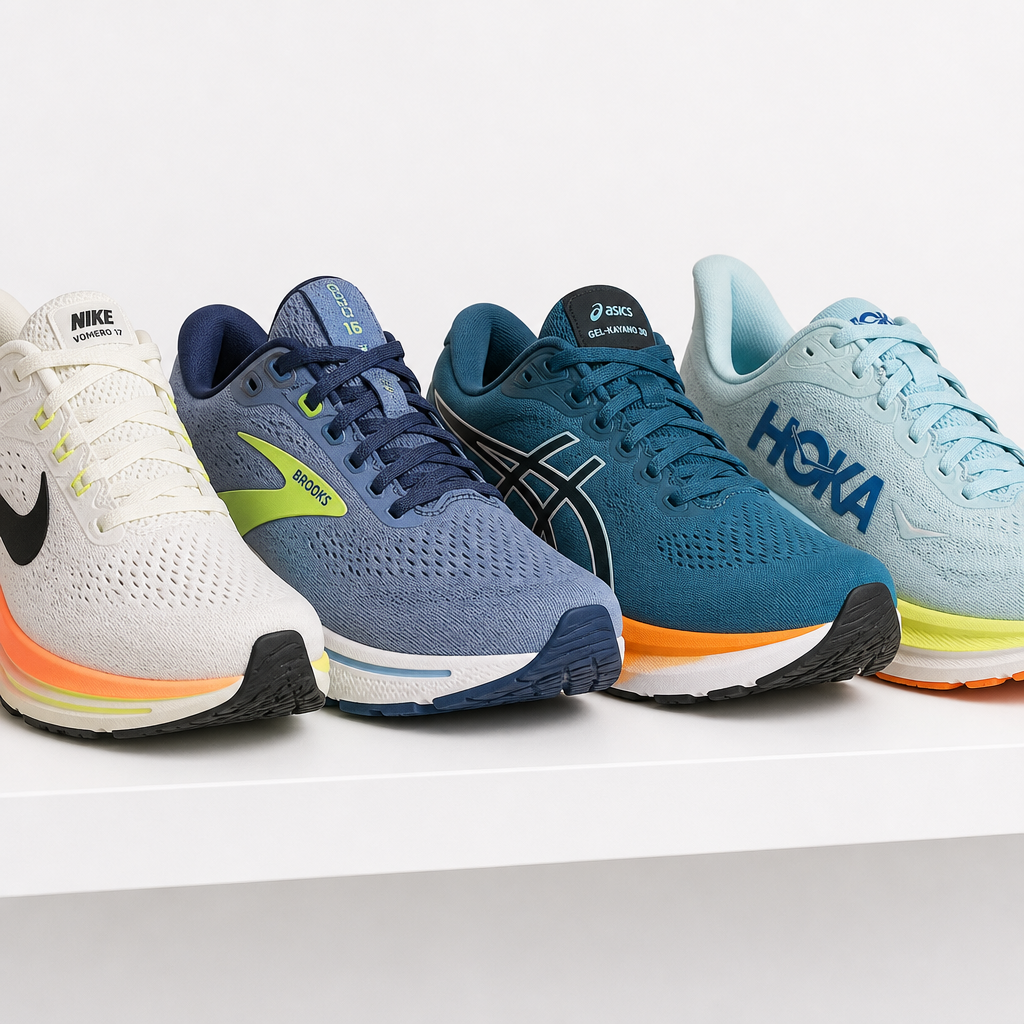
The workhorse of any runner’s rotation. These shoes handle the bulk of your weekly miles — they’re durable, cushioned, and versatile.
What to look for: 8–12mm heel drop, responsive midsole foam, breathable upper, 400–500 mile lifespan
Top brands at Dick’s: Nike Pegasus series, ASICS Gel-Nimbus, Brooks Ghost, New Balance Fresh Foam 1080
Stability Shoes
Built for overpronators. A denser foam or guide rail on the medial (inner) side of the midsole prevents excessive inward roll without feeling rigid.
Top brands at Dick’s: Brooks Adrenaline GTS, ASICS Kayano, New Balance 860, Saucony Guide
Lightweight Speed Shoes / Racing Flats
Used for tempo runs, track sessions, and race day. These sacrifice durability for responsiveness and ground feel. Carbon-fiber plate shoes fall here.
Top brands at Dick’s: Nike Vaporfly / Alphafly, ASICS MetaSpeed, New Balance FuelCell RC Elite, Brooks Hyperion
⚡ Race-ready shoes are in stock
From daily trainers to carbon-plated race shoes — find every major brand in one place at Dick’s Sporting Goods.
Trail Running Shoes

Designed for off-road surfaces. Key features include rock plates (protection from sharp terrain underfoot), multi-directional lugs, and reinforced toe boxes.
Top brands at Dick’s: Salomon Speedcross, Brooks Cascadia, Hoka Speedgoat, ASICS Gel-FujiTrabuco
Max Cushion Shoes
Popularized by Hoka, max-cushion shoes have a thick stack height and rocker geometry that promotes a smooth heel-to-toe transition. Excellent for long distances and recovery runs.
Top brands at Dick’s: Hoka Bondi, Brooks Glycerin, New Balance More v4, Nike Invincible
What to Expect to Spend
| Budget | What You Get |
|---|---|
| Under $80 | Solid beginner shoes — fine for casual runners under 15 miles/week |
| $80–$130 | Performance daily trainers from major brands — best value range |
| $130–$180 | Premium trainers, stability models, max-cushion options |
| $180–$280+ | Carbon-plate racing shoes — specialized, not for everyday training |
How Often Should You Replace Running Shoes?
Most running shoes last 300–500 miles depending on your body weight, running surface, and gait. Signs you need new shoes:
- Midsole feels flat or compressed — doesn’t spring back
- Outsole worn through to the midsole foam
- Unusual soreness in knees, hips, or feet that wasn’t there before
- The shoe is visibly misshapen
Rule of thumb: If you run 25 miles a week, plan to replace your primary shoe every 3–4 months.
Where to Buy Running Shoes
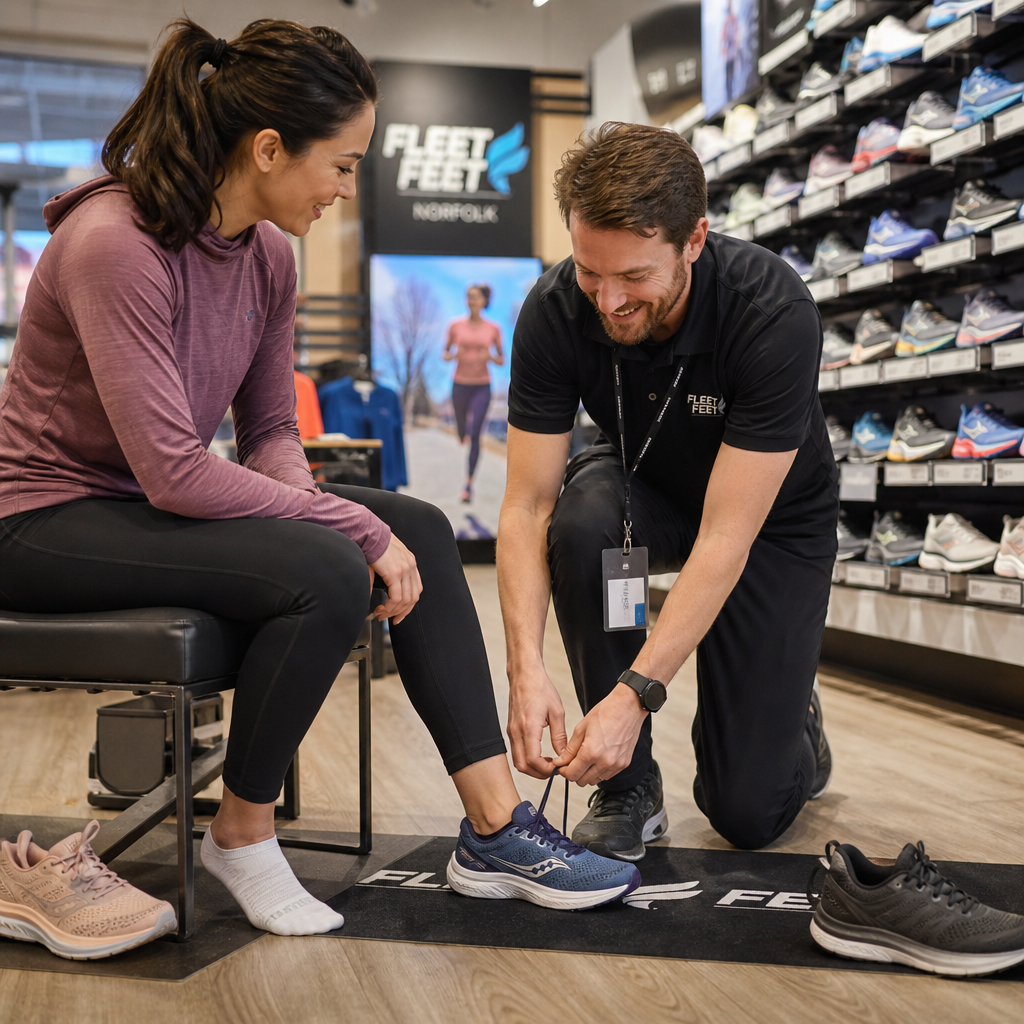
Dick’s Sporting Goods offers the widest in-store selection of running brands in the country, with trained staff who can analyze your gait and recommend the right shoe. Their online store carries the same depth — with clear size guides, customer reviews, and free shipping on qualifying orders.
👟 Find your perfect running shoe today
Shop the full selection of road, trail, and racing shoes from Nike, Brooks, ASICS, Hoka, New Balance, and more — only at Dick’s Sporting Goods.
Frequently Asked Questions
Should I buy running shoes a half size up?
Many runners size up a half size to allow for foot swelling during long runs and to prevent toenail bruising. A thumb’s width of space between your longest toe and the end of the shoe is a common guideline.
Are expensive running shoes worth it?
For everyday training, shoes in the $100–$150 range from major brands offer excellent performance. Carbon-plate shoes ($200+) are worthwhile for race day but too stiff and costly for daily training.
Can I use running shoes for other sports?
Running shoes are optimized for forward motion — they lack the lateral support needed for court sports like tennis or basketball. Use sport-specific shoes for lateral-heavy activities.
Does Dick’s Sporting Goods offer gait analysis?
Many Dick’s locations offer in-store fitting assistance. Check your local store for availability, or use their online shoe finder tool.
Why you can trust us
The Friday Journal compares lenders and services independently. We don't accept payment for favorable coverage, and our recommendations are based on cost, terms, and real-world fit. When you use our links we may earn a commission — it never changes what we recommend or where a product ranks.