Best Outdoor and Camping Gear for 2026: Everything You Need Before Your Next Adventure
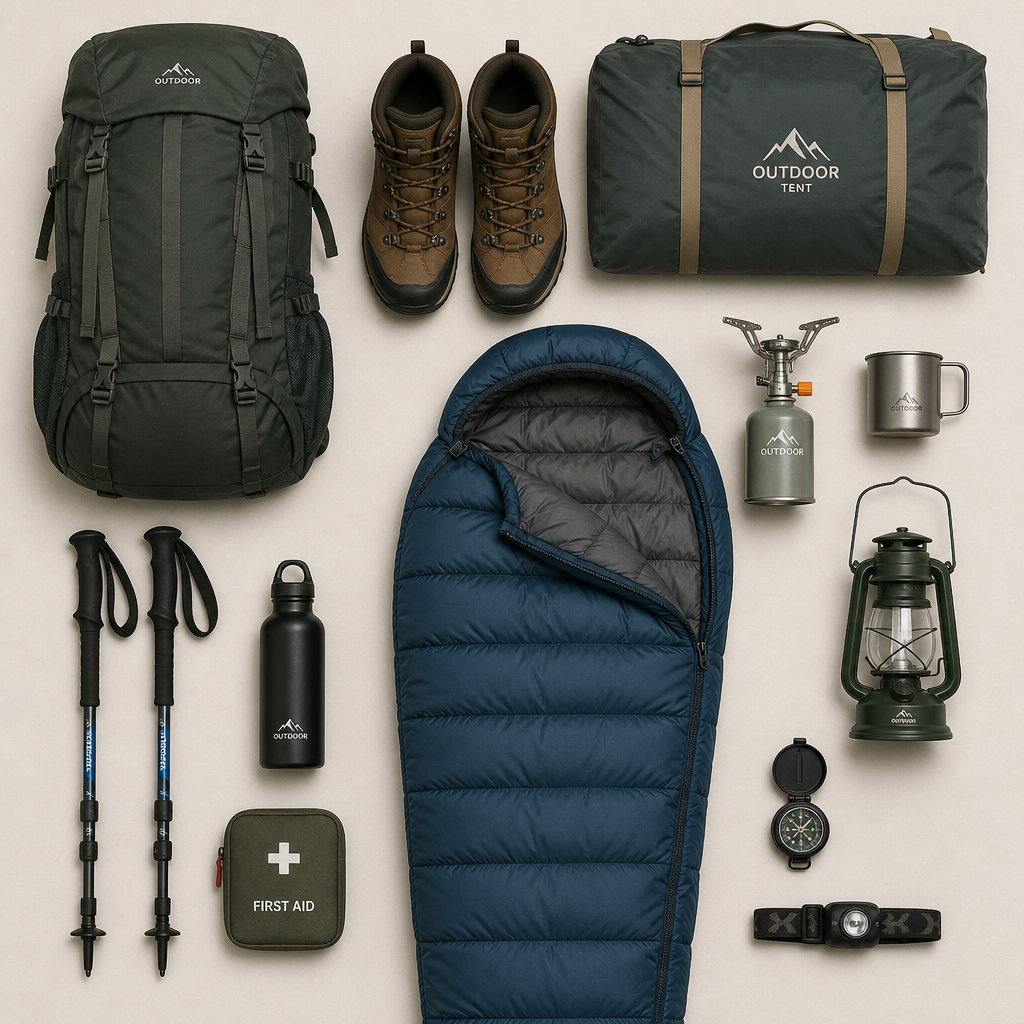
Whether you're planning a weekend car camping trip or a multi-day backcountry hike, having the right gear makes the difference between a great experience and a miserable one. Here's what to bring.

The Right Gear Makes or Breaks the Outdoors
There’s a reason experienced outdoor enthusiasts are particular about their gear. The wrong tent in a rainstorm, the wrong boots on a rocky trail, or the wrong sleeping bag on a cold night aren’t just inconveniences — they end trips early and sometimes create safety issues.
The good news: outdoor gear quality has improved dramatically, and you don’t need to spend a fortune to be well-equipped. This guide covers the essential categories for camping and hiking in 2026 — what to prioritize, what to look for, and where to find it.
🏕️ Ready for your next adventure?
Dick’s Sporting Goods carries a full range of camping, hiking, and outdoor gear — tents, sleeping bags, packs, footwear, and more from top brands.
The Outdoor Gear Essentials
1. Shelter: Choosing the Right Tent
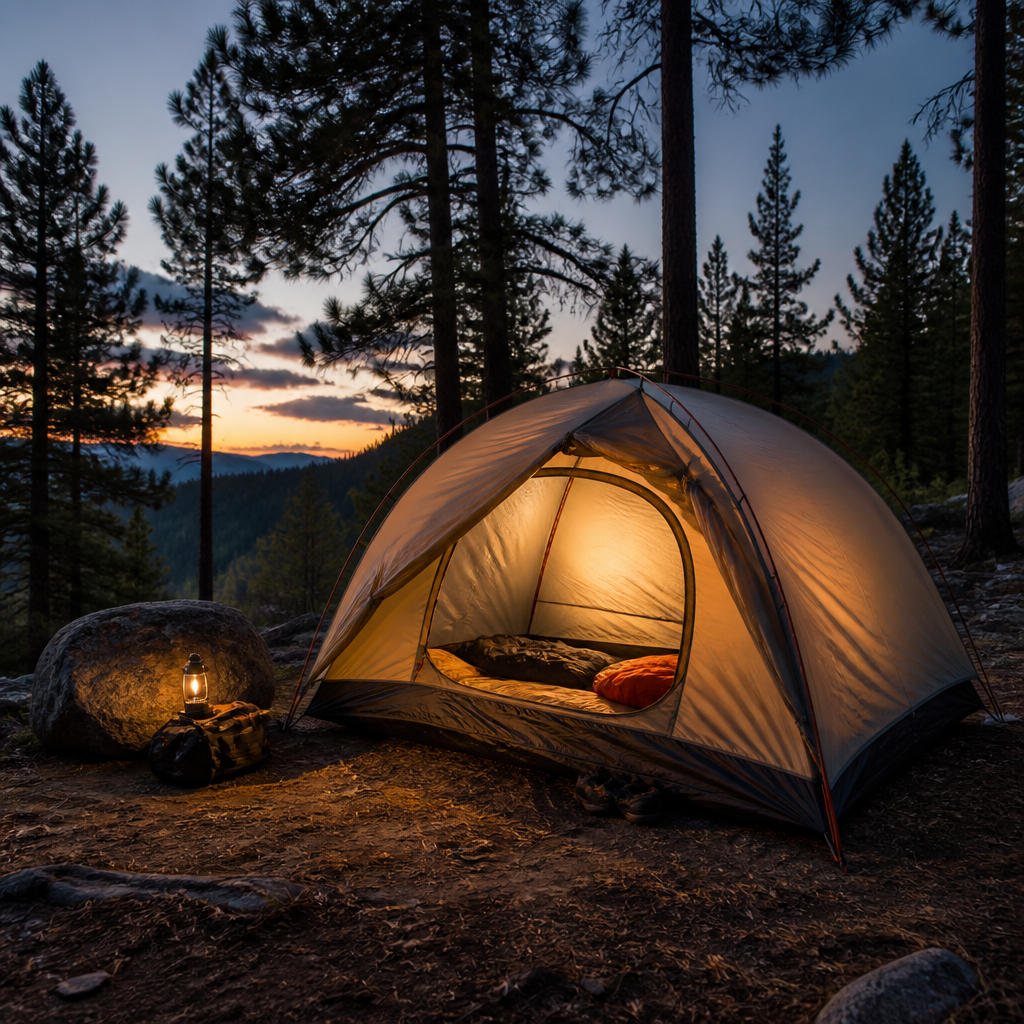
Your tent is your home in the wilderness. Choosing the right one depends on three things: season rating, capacity, and weight.
Season ratings:
- 3-season — spring, summer, fall. Handles rain and moderate wind. The best choice for most campers.
- 4-season / winter — built for snow loads and sustained wind. Heavier and more expensive.
Capacity: Tent capacity ratings are optimistic. A “2-person” tent is cozy for two adults. If you want comfort, size up.
Weight considerations:
- Car camping — weight doesn’t matter. Prioritize space, comfort, and ease of setup.
- Backpacking — every ounce counts. Look for ultralight designs under 3 lbs for a 2-person tent.
Top brands at Dick’s: REI, Coleman (car camping), Big Agnes, MSR (backpacking)
⛺ Find the right tent for your trip
Browse the full tent selection at Dick’s — family tents, backpacking tents, and everything in between.
2. Sleep Systems: Sleeping Bags and Pads
A good night’s sleep in the outdoors depends on two things working together: your sleeping bag and your sleeping pad.
Sleeping bags — what the temperature rating means:
The rating tells you the lowest temperature at which the bag will keep an average sleeper comfortable. A 20°F bag is suitable for nights down to 20°F.
Best practice: buy a bag rated 10°F colder than the lowest temperature you expect. Cold sleepers should go even lower.
Fill types:
- Down fill — lightweight, compressible, excellent warmth-to-weight ratio. Loses insulation when wet. Better for dry climates.
- Synthetic fill — heavier, less compressible, but retains warmth when wet. Better for wet or humid environments.
Sleeping pads — don’t skip this:
A sleeping pad isn’t just for comfort — it provides critical insulation from the cold ground, which conducts heat away from your body faster than cold air. Look for an R-value of at least 2 for summer camping, 4+ for cooler conditions.
3. Hiking Footwear
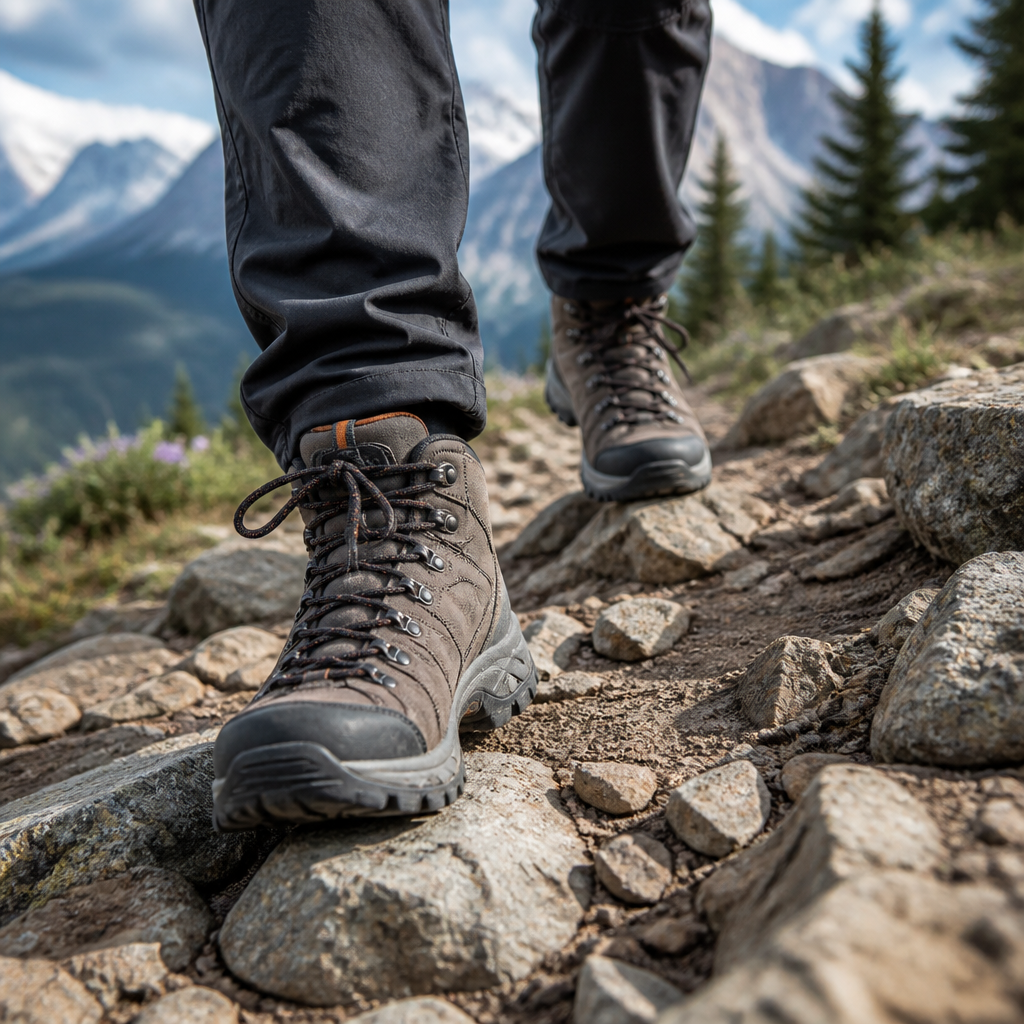
Hiking footwear falls into three categories based on trail difficulty and load:
| Category | Best For | Key Features |
|---|---|---|
| Trail runners | Light day hikes, fast-packing | Lightweight, flexible, quick-drying |
| Day hiking boots | Moderate trails, light pack | Ankle support, durable outsole, some waterproofing |
| Backpacking boots | Multi-day trips, heavy loads | Stiff midsole, full waterproofing, maximum support |
Top brands at Dick’s: Merrell, Salomon, Columbia, Keen, Timberland
Fit tips:
- Try on boots in the afternoon when feet are slightly swollen
- Wear the socks you’ll actually use on the trail
- Your heel should not lift when walking — if it does, the boot is too big
- Break in new boots before any significant hike
🥾 Shop Hiking Boots & Trail Shoes
Dick’s carries the top hiking boot brands with wide sizing options and knowledgeable staff to help you find the right fit.
4. Backpacks and Daypacks
Choosing the right pack depends on trip length and how much you’re carrying.
| Trip Type | Recommended Capacity |
|---|---|
| Day hike | 10–20 liters |
| Overnight trip | 30–50 liters |
| Multi-day backpacking (3–5 days) | 50–65 liters |
| Extended expedition (5+ days) | 65–85 liters |
Fit matters more than brand: A pack that doesn’t fit your torso length and hip size will cause pain on any trail longer than a few miles. Look for packs with adjustable suspension systems, and get fitted in-store when possible.
5. Layering System: Clothing That Works
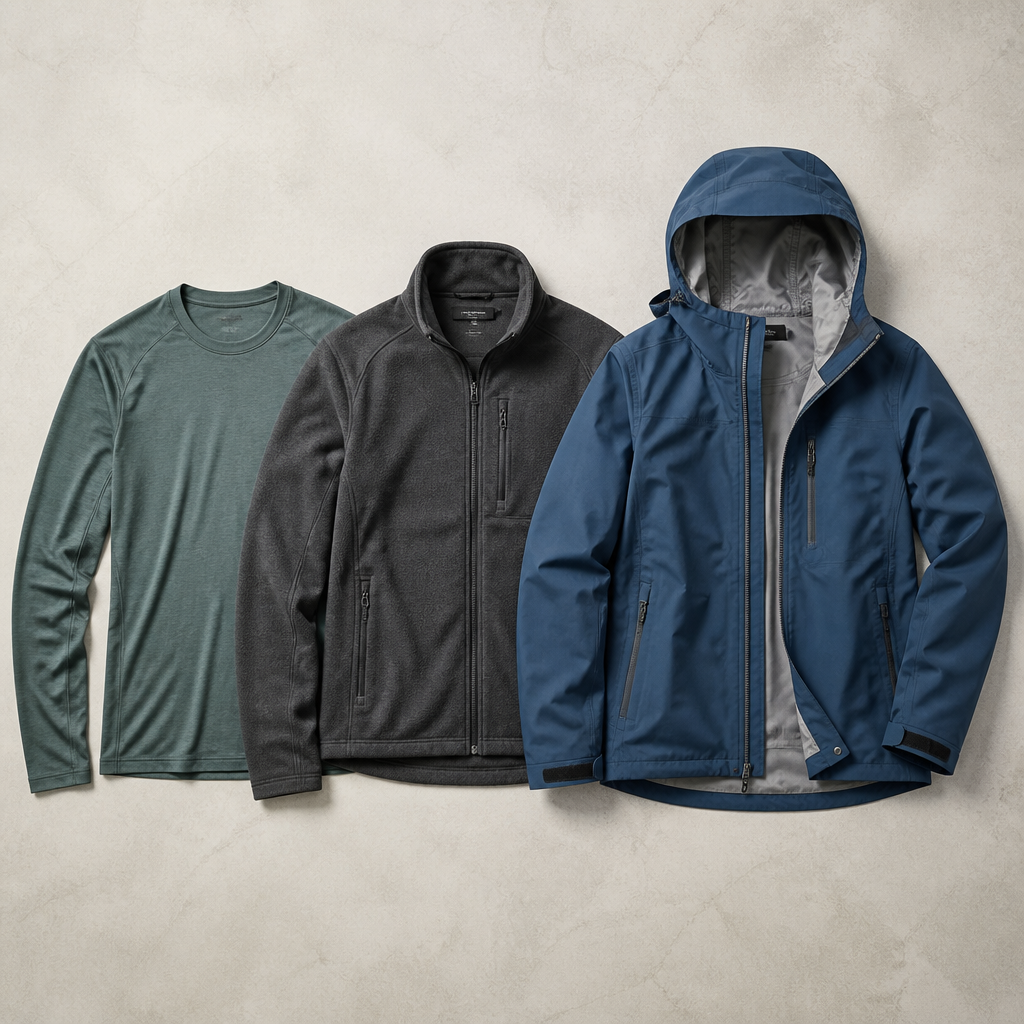
Outdoor clothing is built around a three-layer system:
- Base layer — moisture-wicking fabric that pulls sweat away from skin. Merino wool or synthetic, never cotton.
- Mid layer — insulation. Fleece jacket, down vest, or insulated hoodie depending on temperature.
- Outer layer — weather protection. Waterproof and windproof shell that breathes.
The system works because you can add or remove layers as conditions change — critical when temperatures swing 30°F between morning and afternoon in mountain environments.
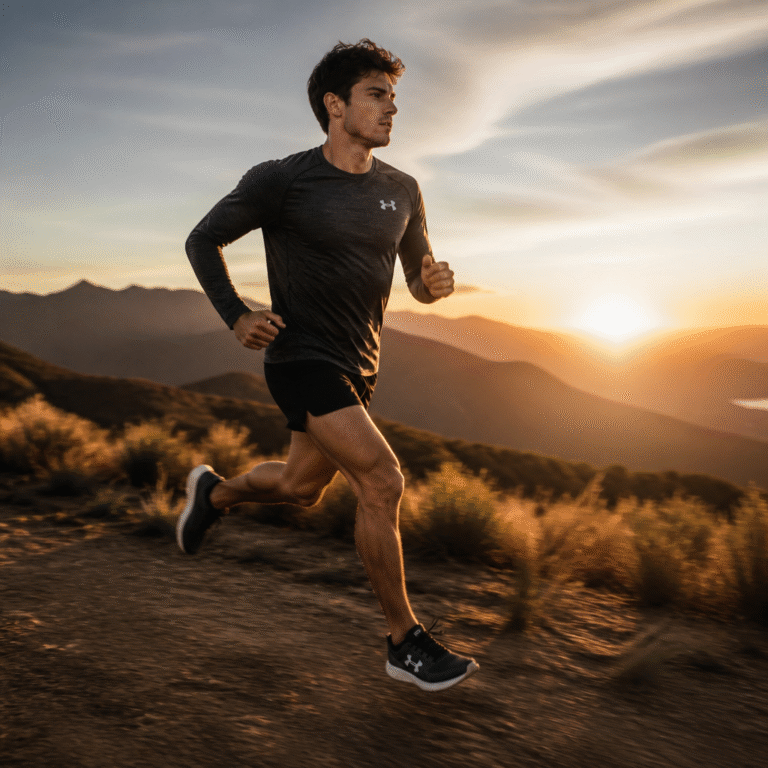
Top brands at Dick’s: Columbia, The North Face, Patagonia, Under Armour, Nike
6. Navigation and Safety Essentials
Technology is great until the battery dies. Every outdoor kit should include:
- Map and compass (and the knowledge to use them)
- Headlamp with extra batteries
- First aid kit
- Emergency whistle and fire starter
- Sun protection — sunscreen, sunglasses, hat
- Water filtration — filter or purification tablets
Car Camping vs. Backpacking: Which Gear Do You Need?
| Gear Item | Car Camping Priority | Backpacking Priority |
|---|---|---|
| Tent weight | Low | Critical |
| Sleeping bag warmth | High | High + weight matters |
| Pack capacity | N/A | Match to trip length |
| Footwear | Comfortable, supportive | Boot stiffness + waterproofing |
| Cooking system | Car-compatible stove fine | Lightweight backpacking stove |
🏕️ Gear up before your next trip
Dick’s Sporting Goods has everything you need for camping, hiking, and outdoor adventure — tents, boots, packs, sleeping bags, and apparel from the brands that outdoor enthusiasts trust.
Frequently Asked Questions
What’s the most important piece of camping gear for beginners?
A reliable tent and a sleeping bag rated for the expected temperature are the two non-negotiables. Everything else can be improvised; shelter and warmth cannot.
How much should I spend on a beginner camping setup?
A functional beginner car-camping kit — tent, sleeping bag, pad, daypack — can be put together for $200–$400. Quality mid-range gear will last years with proper care.
Does Dick’s carry backpacking-specific gear?
Yes — Dick’s stocks dedicated backpacking tents, ultralight sleeping bags, backpacking stoves, and technical footwear from brands like Merrell, Salomon, and Big Agnes.
Is it worth buying waterproof hiking boots?
For trails in the Pacific Northwest or frequent creek crossings, yes. For dry Southwest trails, non-waterproof boots breathe better and dry faster. Match the boot to your typical terrain.


Why you can trust us
The Friday Journal compares lenders and services independently. We don't accept payment for favorable coverage, and our recommendations are based on cost, terms, and real-world fit. When you use our links we may earn a commission — it never changes what we recommend or where a product ranks.