




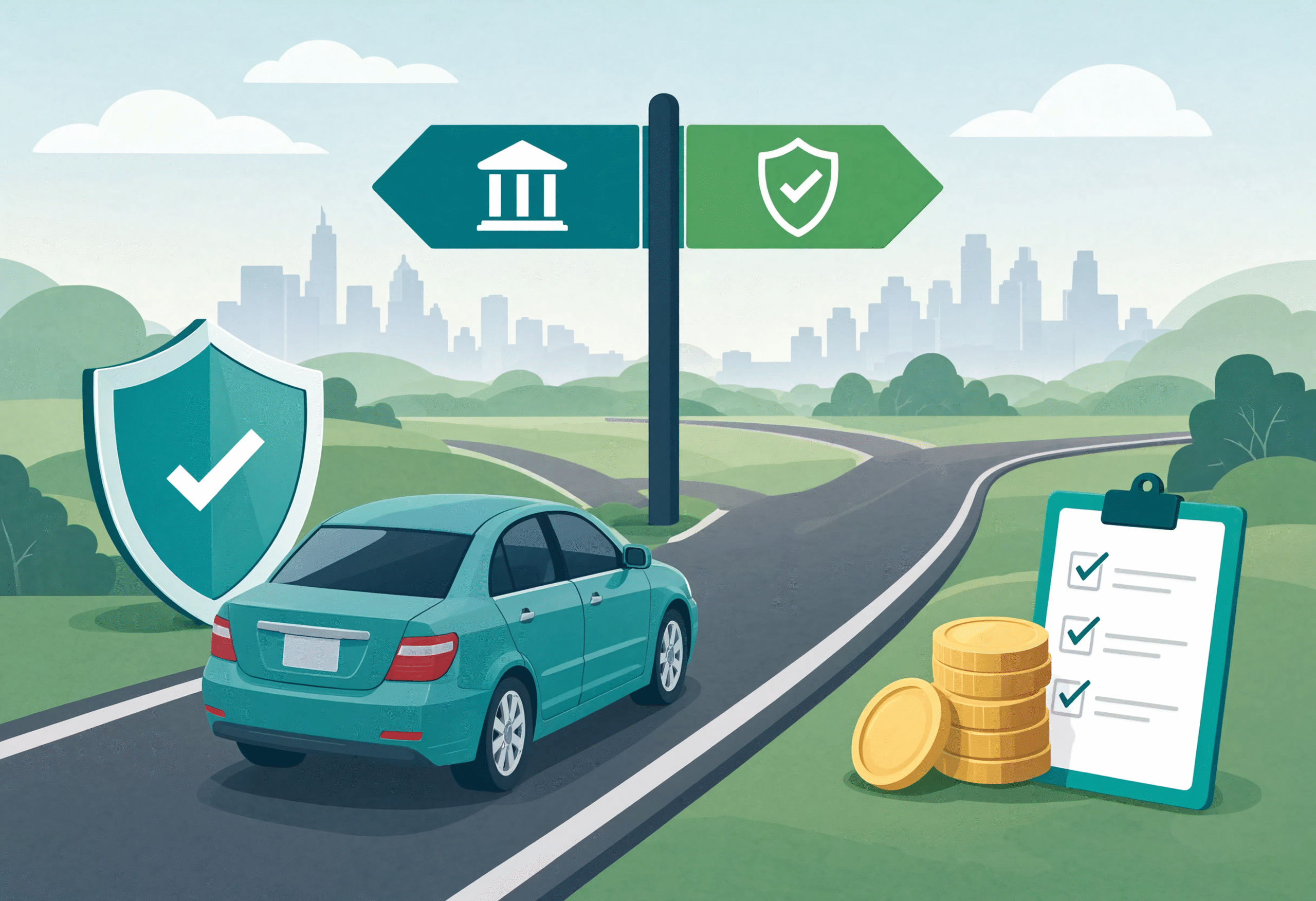

Using high-quality images can elevate any project. From websites to social media posts, visuals grab attention and make your content stand out. But buying images comes with a question: which license should you choose? Picking the wrong license can lead to legal trouble or extra costs.
Alamy is a trusted platform for stock photos, offering clear licensing options for every project. In this guide, we’ll explain the types of licenses, their uses, and tips for picking the right one. By the end, you’ll know exactly how to license images responsibly and confidently.
What Is Image Licensing?
Image licensing is essentially permission. When you license a photo, the photographer or owner grants you permission to use it under specific terms. Without a license, using an image is considered copyright infringement.
Licenses protect both the creator and the buyer. They clarify what you can and cannot do with the image. For example, using an image for a blog is different from using it in a printed advertisement. A proper license ensures your project stays legal and professional.
Tip: Always read the license terms before downloading an image. This simple step can save you from unexpected issues.
Understanding Alamy’s Licensing Options
Alamy offers two main types of licenses: Royalty-Free (RF) and Rights-Managed (RM). Understanding the difference is key to making the right choice.
- Royalty-Free (RF): Pay once, use many times. Ideal for ongoing projects like websites, presentations, or social media.
- Rights-Managed (RM): Price depends on how you use the image, where it appears, and for how long. Perfect for advertising or projects that need exclusivity.
Knowing which type matches your project helps you save money and stay compliant.
Tip: Consider your usage plans before selecting a license. This avoids paying for features you don’t need.
Royalty-Free Licensing Explained
Royalty-Free licenses are simple and flexible. Once you purchase an RF license, you can use the image for multiple projects without paying extra. Most online and offline applications are allowed under this license.
Common RF uses include:
- Blog posts and social media content
- Website banners and slideshows
- Small business presentations
However, RF licenses do have limits. You cannot resell the image as a stock photo or for resale on products. You also cannot claim ownership of the image itself.
Tip: Browse Alamy’s Royalty-Free images to find versatile options that work for multiple projects. Always check file resolution and size before downloading.
Rights-Managed Licensing Explained
Rights-Managed licenses are more specific. You pay based on where, how, and for how long you plan to use the image. This license is often used for campaigns that need exclusivity or large audiences.
For example, a magazine cover, billboard, or national advertisement often requires an RM license. These licenses prevent other buyers from using the same image for similar purposes during your license term.
Tip: If your project is high-profile or requires limited-use rights, choose a Rights-Managed license on Alamy. It ensures your campaign remains unique.
Editorial vs. Commercial Use
It’s important to know the difference between editorial and commercial use.
- Editorial Use: Images used for news, blogs, or social media posts without direct promotion. These are informational or storytelling in nature.
- Commercial Use: Images used in advertising, product packaging, or promotions.
Choosing the wrong license can cause problems. For instance, using an editorial-only image in a commercial ad could breach the license.
Tip: When in doubt, select a commercial license. It covers both promotional and general uses safely.

Factors to Consider When Choosing a License
Several key factors help you pick the right license:
- Audience reach: Are you targeting a local audience or a global market?
- Duration: Is this a one-time campaign or an ongoing project?
- Distribution: Will the image appear online, in print, or on merchandise?
- Budget: Royalty-Free is generally cheaper. Rights-Managed can cost more but provides exclusivity.
Tip: Match your license to your project’s scale and budget to avoid overspending.
How to Purchase an Alamy License
Buying a license on Alamy is straightforward:
- Search for your image.
- Choose the appropriate license type.
- Review the usage terms carefully.
- Complete the payment process.
- Download the image.
Alamy supports multiple payment options and file formats. It’s also smart to save your purchase receipt as proof of license. If you have questions, customer support is available to clarify terms or guide you.
Tip: Follow these steps to secure images legally and confidently.
Common Licensing Mistakes to Avoid
Even experienced buyers make mistakes. Avoid these common errors:
- Using images without reading the license terms.
- Choosing editorial licenses for commercial projects.
- Overlooking geographic or duration limits.
- Failing to credit photographers when required.
Mistakes can lead to legal issues or additional costs. Following the licensing rules ensures your projects remain safe and professional.
Tip: Double-check license terms and usage restrictions before publishing.
Benefits of Responsible Licensing
Licensing images responsibly has many advantages:
- Protects your project from legal disputes.
- Supports photographers and content creators.
- Guarantees high-quality, reliable visuals.
- Encourages ethical use of creative content.
When you license images properly, you not only comply with the law but also enhance your brand’s reputation.
Tip: Make responsible licensing a habit for every project. It’s an investment in credibility.
Tips for Maximizing Your Alamy Licensing Investment
To get the most value from your purchase:
- Plan ahead to pick the right license the first time.
- Use RF licenses for ongoing projects to save money.
- Choose RM licenses when exclusivity or specific usage is required.
- Keep a record of licenses and usage to avoid accidental violations.
These practices help you stay organized, save money, and use images safely across multiple projects.
Tip: Track your licenses in a spreadsheet or project management tool for easy reference.
Conclusion
Choosing the right Alamy license may seem complex at first, but understanding the basics simplifies the process. Royalty-Free licenses work well for ongoing projects, while Rights-Managed options suit high-profile campaigns. Consider usage type, duration, and distribution to make the best choice.
Licensing responsibly protects your project, supports creators, and ensures high-quality visuals. With the right approach, you can confidently use Alamy images in your work. Visit Alamy to browse images, select the proper license, and make your projects shine legally and professionally.