



Some everyday things from the past are almost impossible to imagine now.
Technology has changed the way we communicate, shop, travel, work, and even entertain ourselves. Things that were completely normal in the 1990s now feel like they belong to another world.
Many people grew up using these items every day without thinking twice. Younger generations, however, often find them surprising — or even confusing.
From waiting days for photos to be developed to using paper maps to find your destination, here are 50 things that were once completely normal but feel strange today.
1. Using Phone Booths to Make a Call
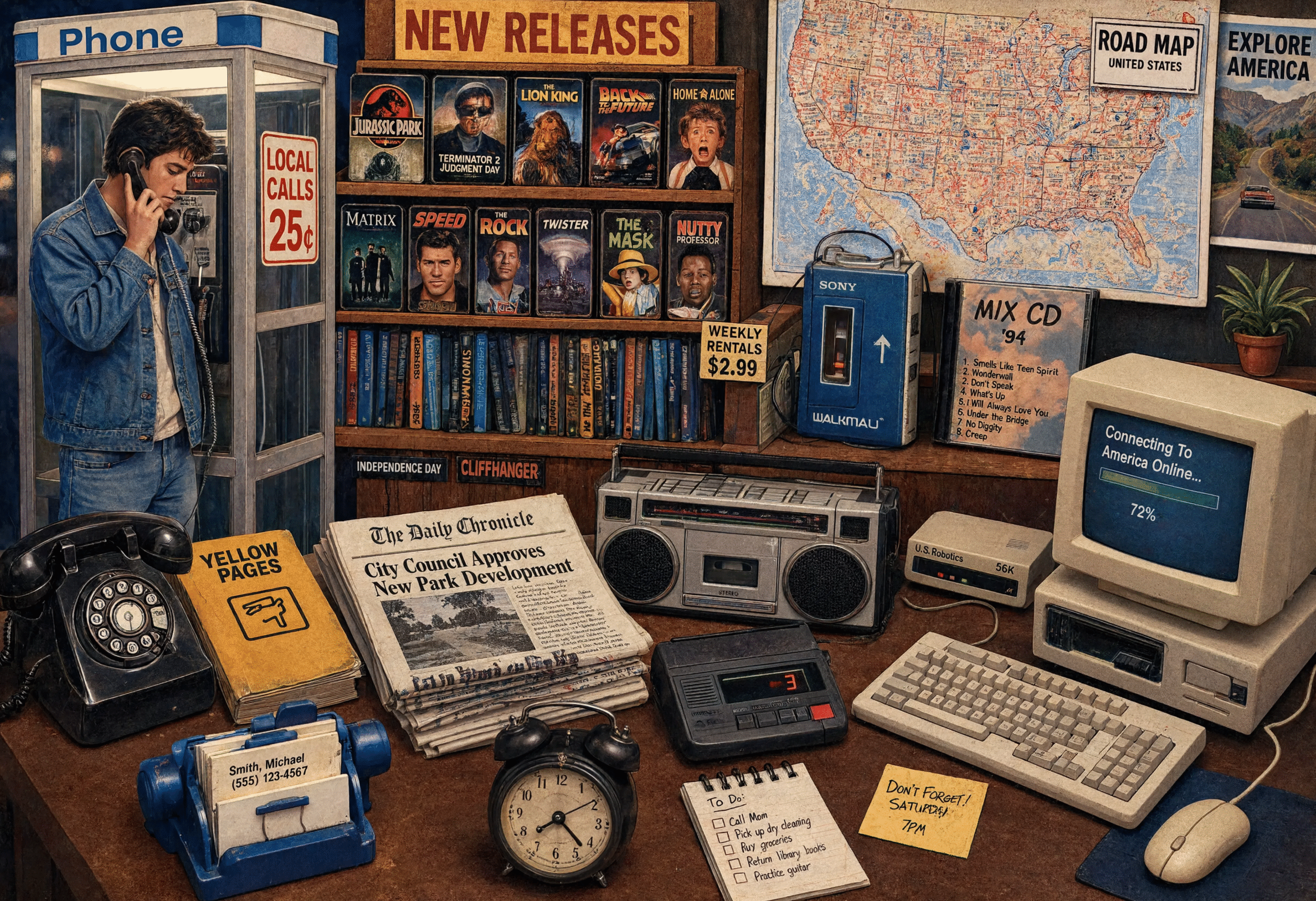
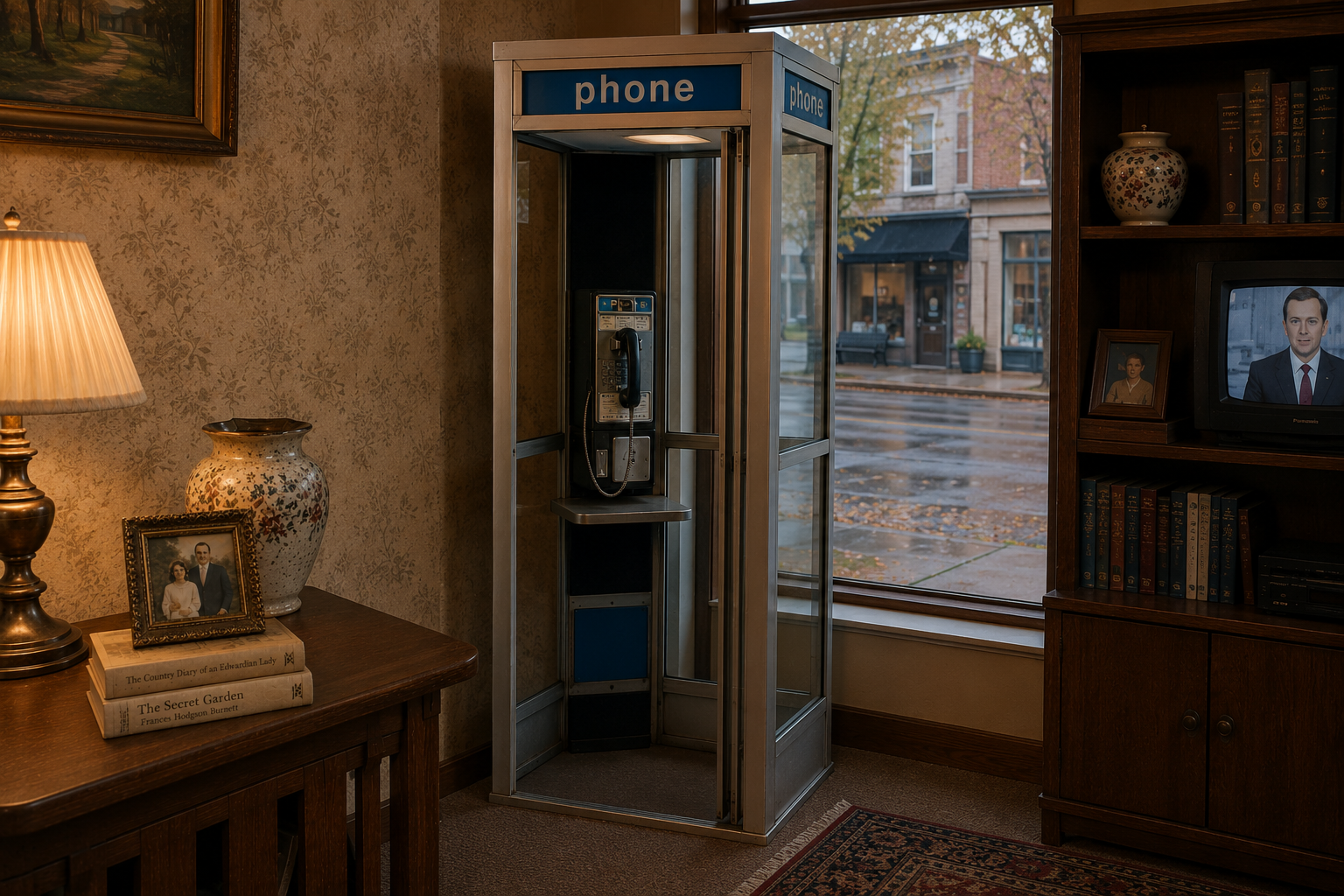
Before everyone carried a smartphone in their pocket, phone booths were everywhere.
People would walk to a public phone, insert coins, and make a quick call. If someone needed to reach you, they had to call your home phone and hope you were there.
Today, the idea of searching for a phone just to make a call feels almost impossible to imagine.
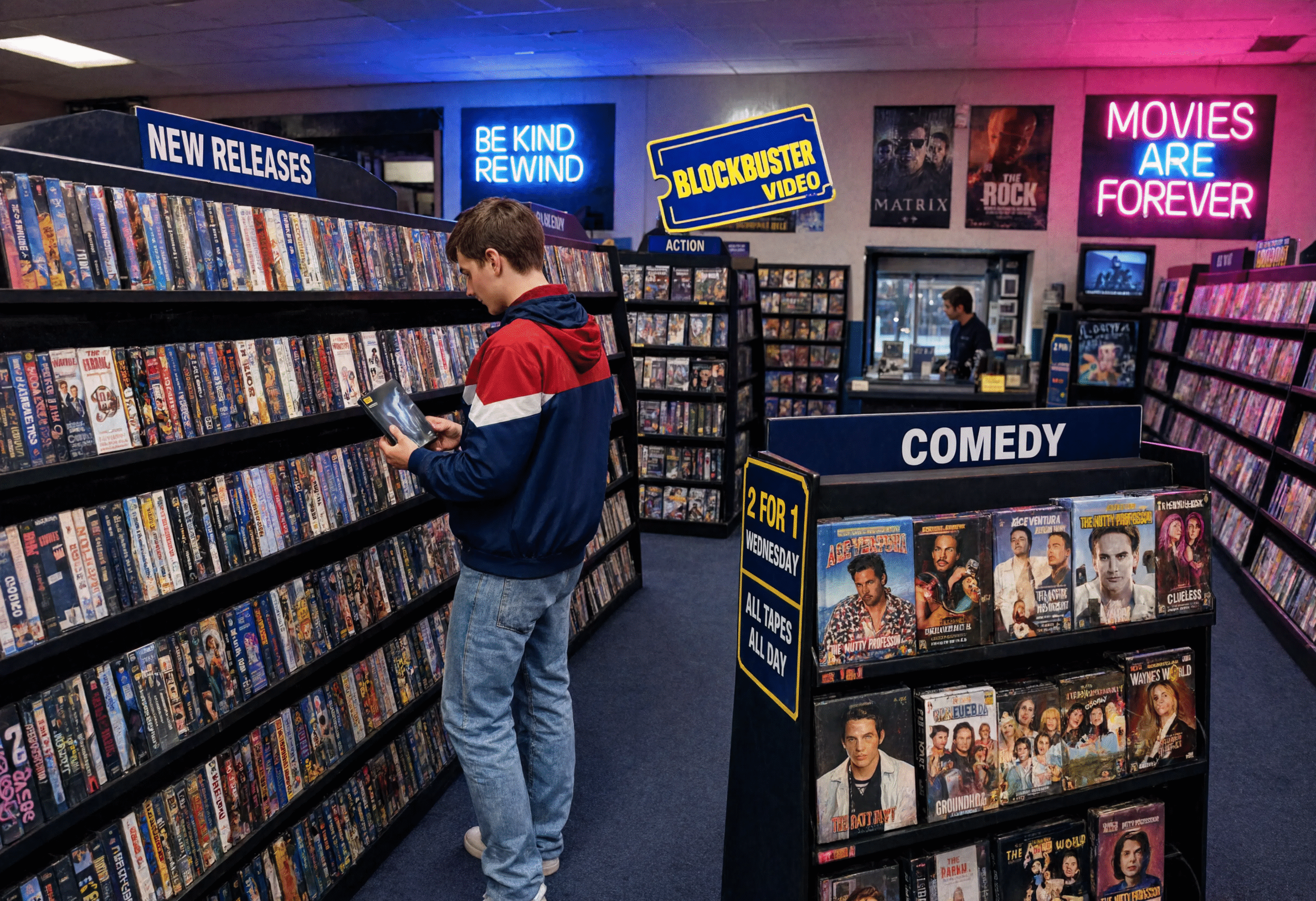
2. Renting VHS Tapes From a Video Store
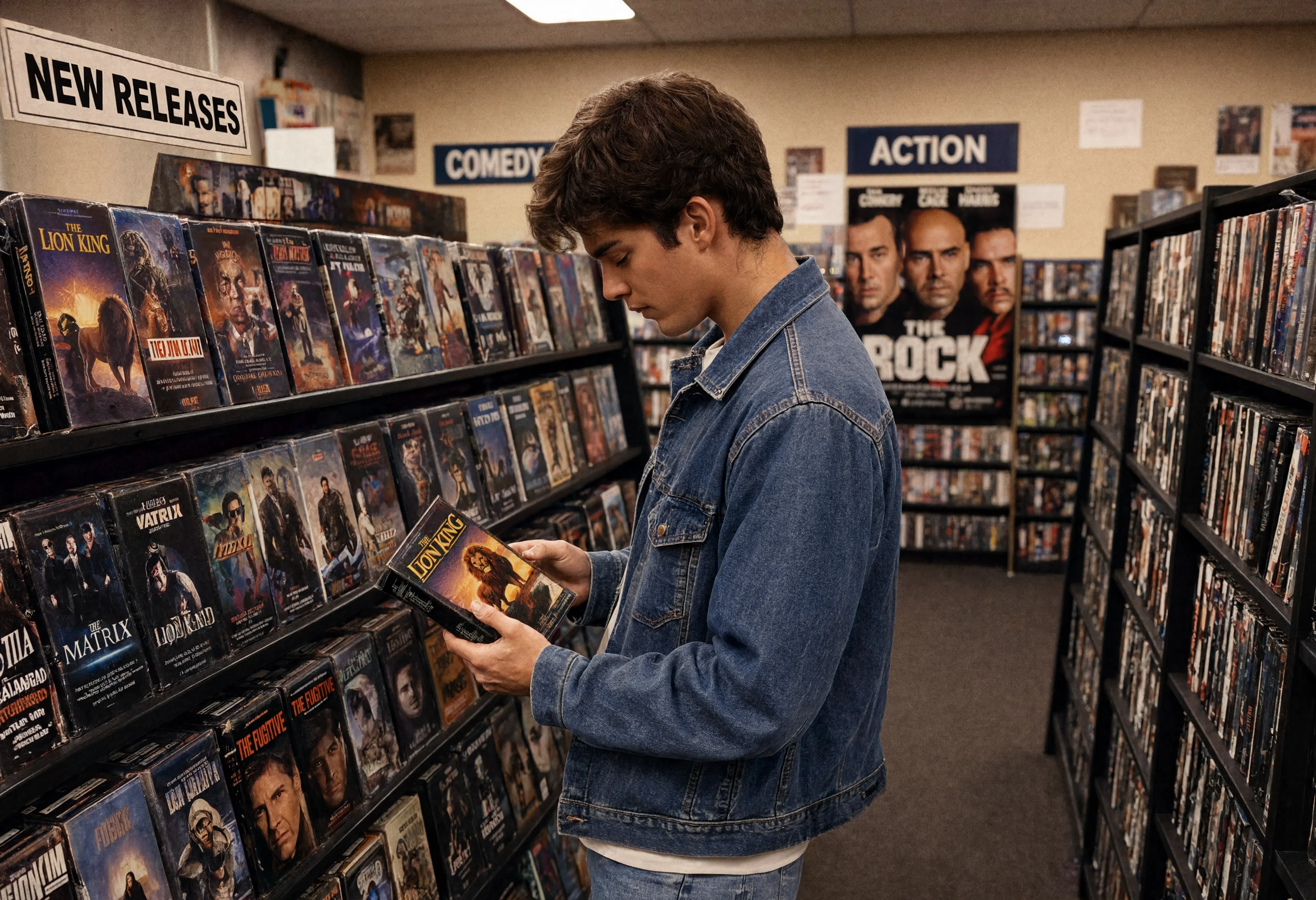
Friday nights used to mean a trip to the video rental store.
Families would walk through rows of VHS tapes, choose a movie, and bring it home for the weekend.
The hardest part?
Remembering to rewind the tape before returning it.
Today, with thousands of movies available instantly, waiting in line to rent a movie feels like ancient history.
3. Using Paper Maps Instead of GPS
Getting lost used to be part of every road trip.
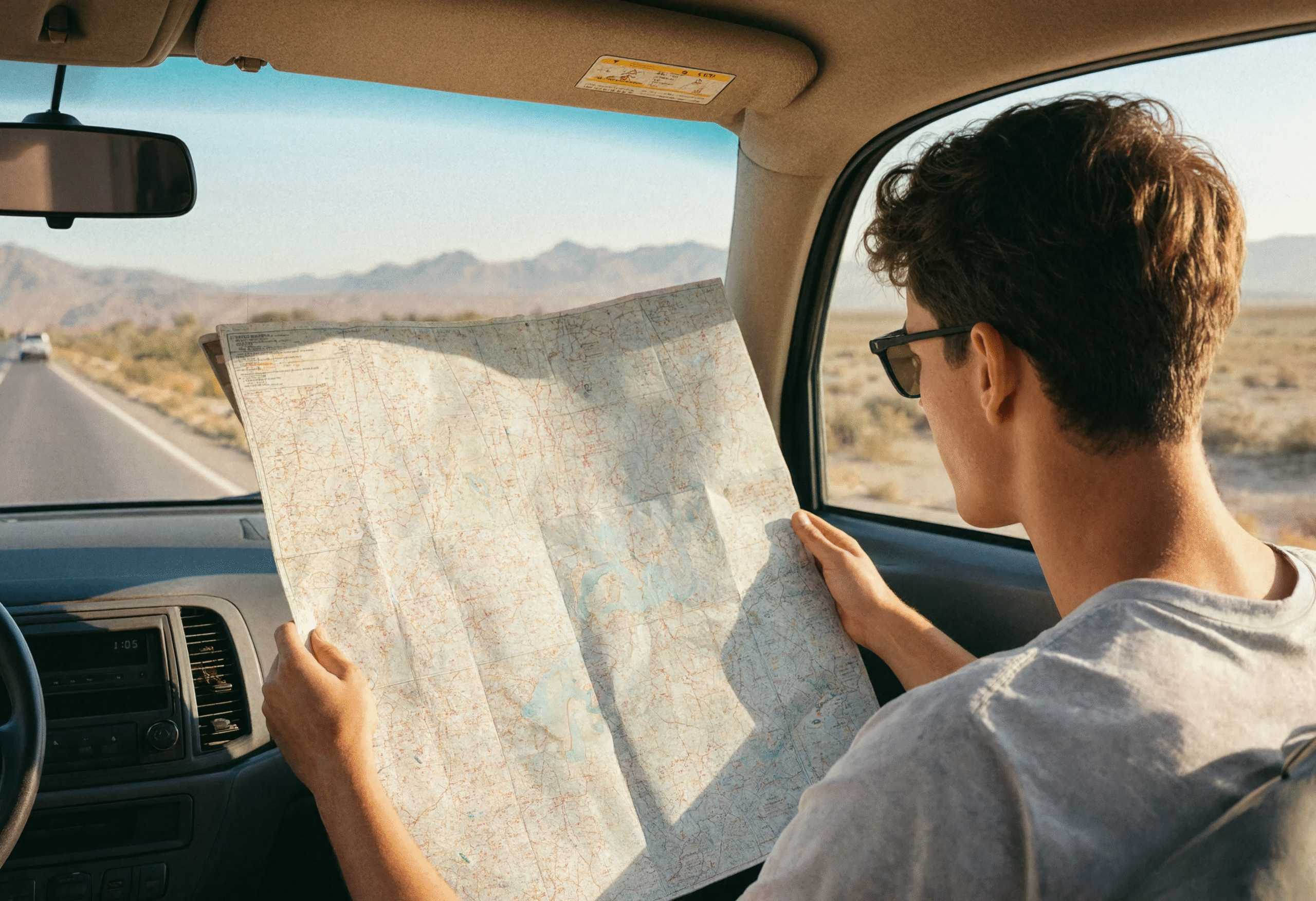
Drivers relied on giant paper maps, printed directions, and handwritten notes.
Missing a turn could mean pulling over, unfolding a huge map, and trying to figure out where you were.
Today, most people would feel completely lost without Google Maps or navigation apps.
4. Calling Restaurants to Order Food
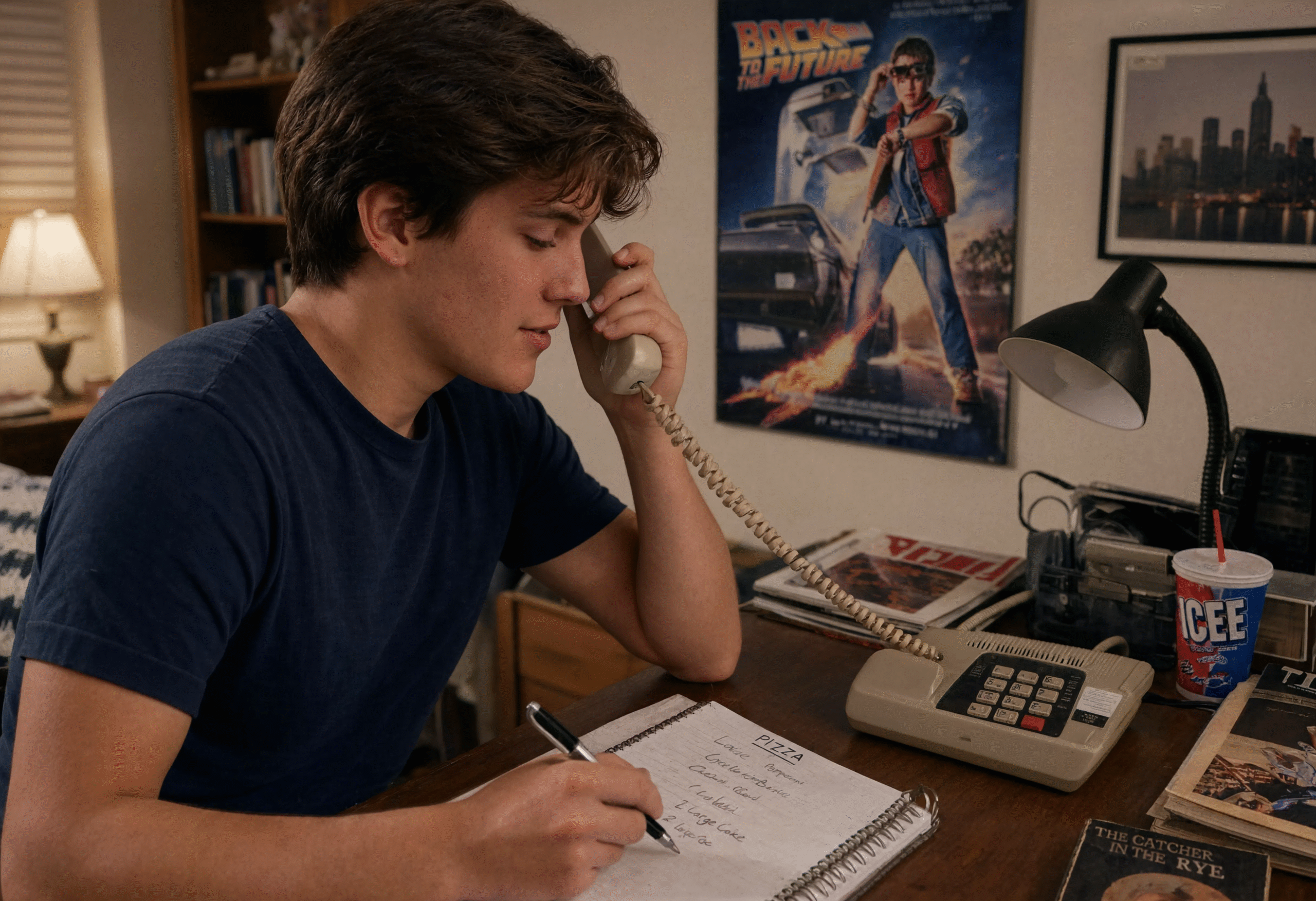
Ordering dinner used to require an actual phone call.
People would search through menus, dial the restaurant, explain their order, and provide their address.
There were no apps showing delivery times, photos of food, or customer reviews.
Today, many people would rather tap a few buttons than talk to someone on the phone.
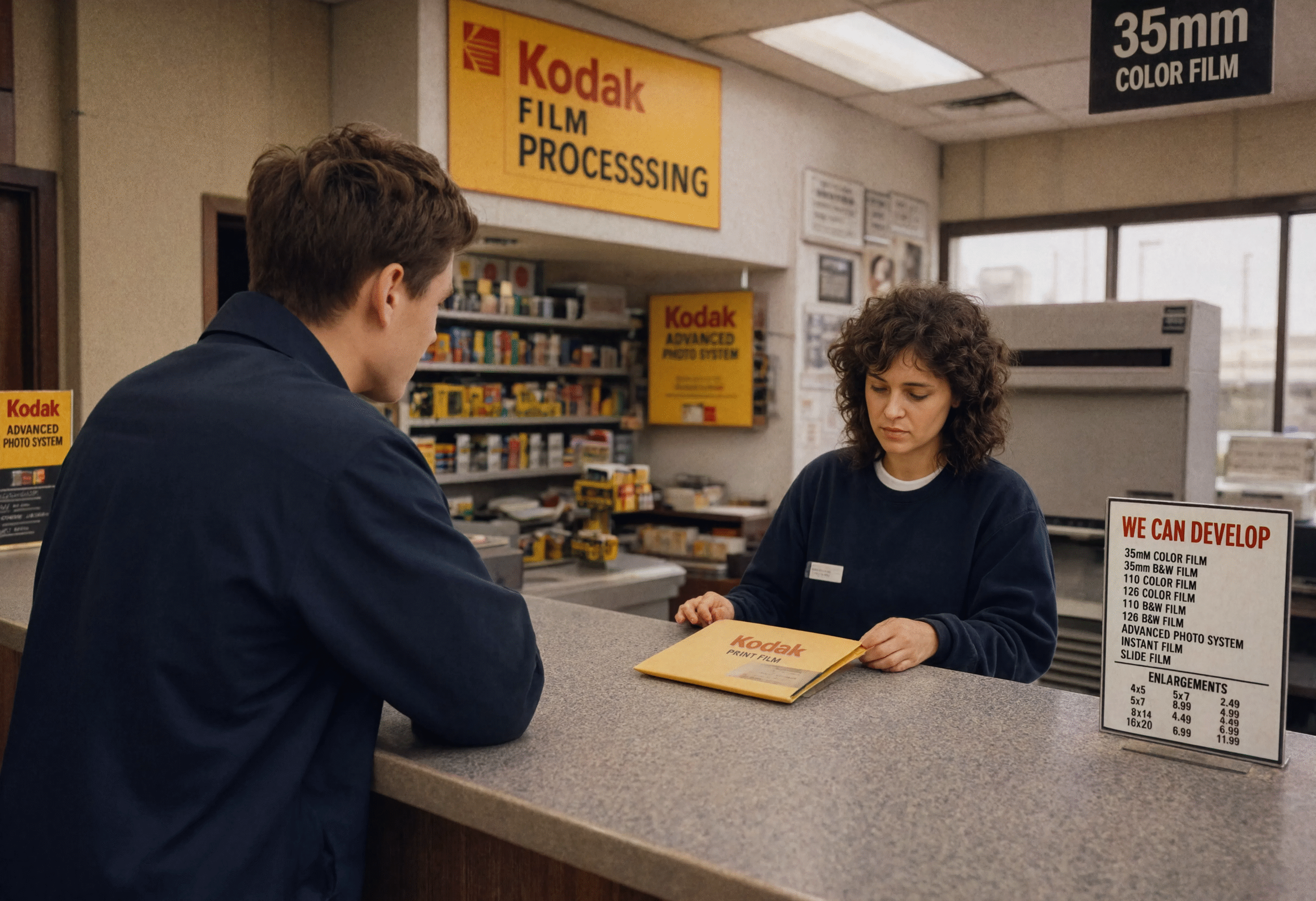
5. Waiting for Photos to Be Developed
Taking pictures was not instant.
You could take a photo, but you had no idea if it turned out well until the film was developed.
Sometimes:
- Someone blinked
- The picture was blurry
- The lighting was terrible
You simply accepted the surprise.
Today, people instantly delete hundreds of photos before choosing the perfect one.
6. Using an Encyclopedia for Research
Before search engines, people used encyclopedias.
Families often owned large collections of books containing information about history, science, geography, and famous people.
Students would spend hours searching through pages to complete homework.
Today, almost any question can be answered in seconds.

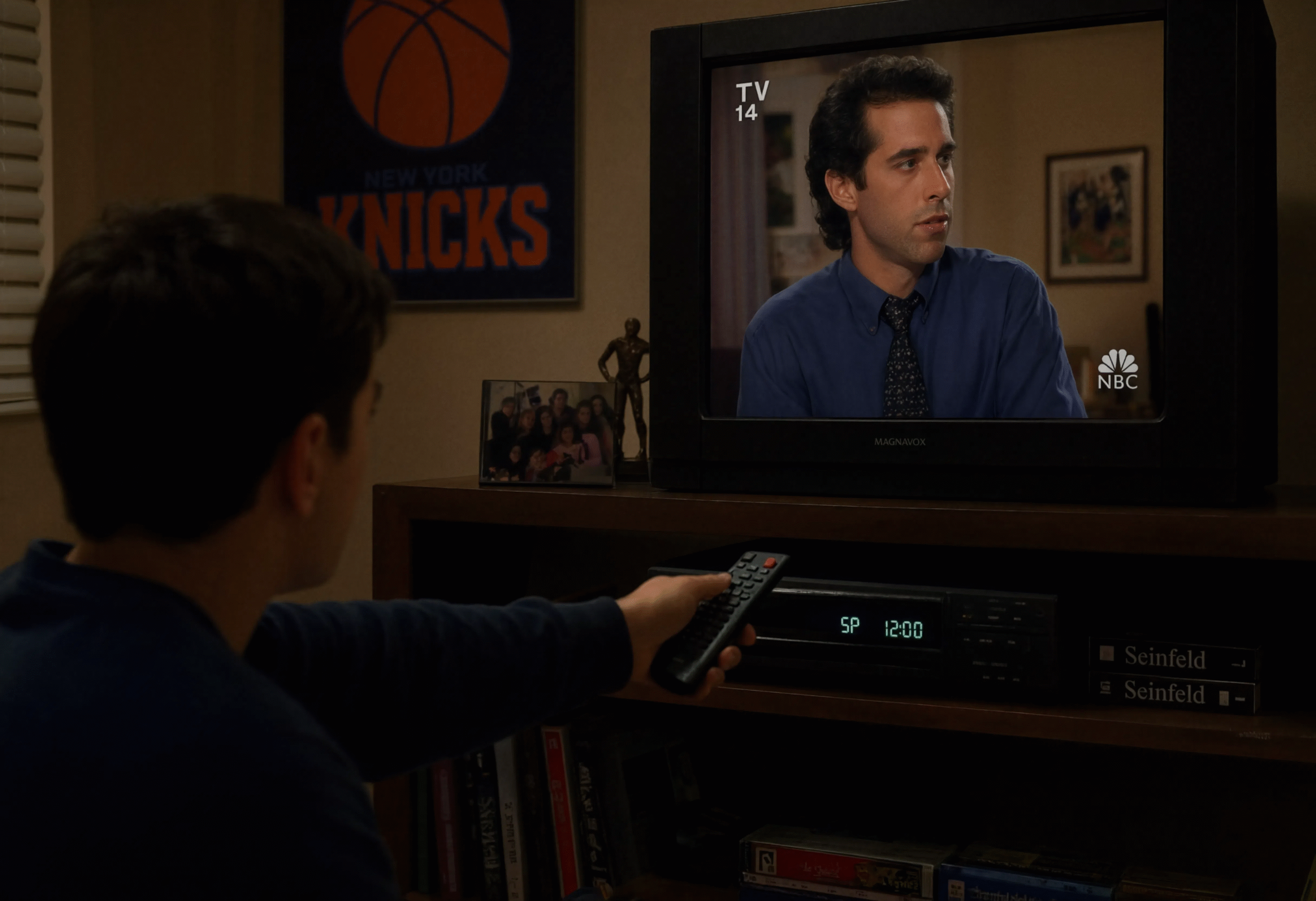
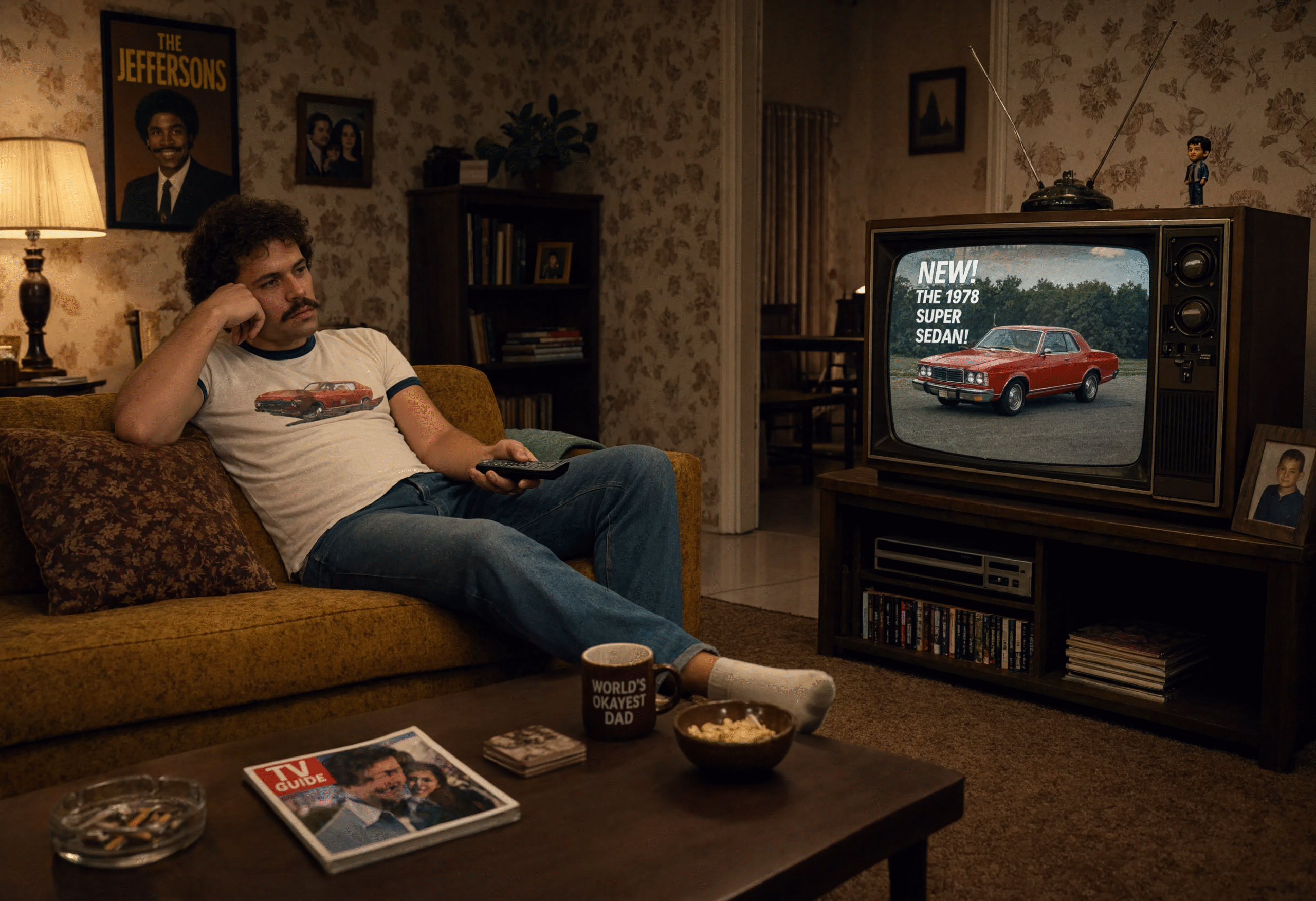
7. Recording TV Shows on a VCR
Missing your favorite TV show was a serious problem.
People used VCRs to record programs and watch them later.
Setting up a recording schedule was often complicated, and many people accidentally recorded the wrong channel.
Today, streaming platforms automatically save shows and recommend what to watch next.
8. Waiting for a Computer to Start
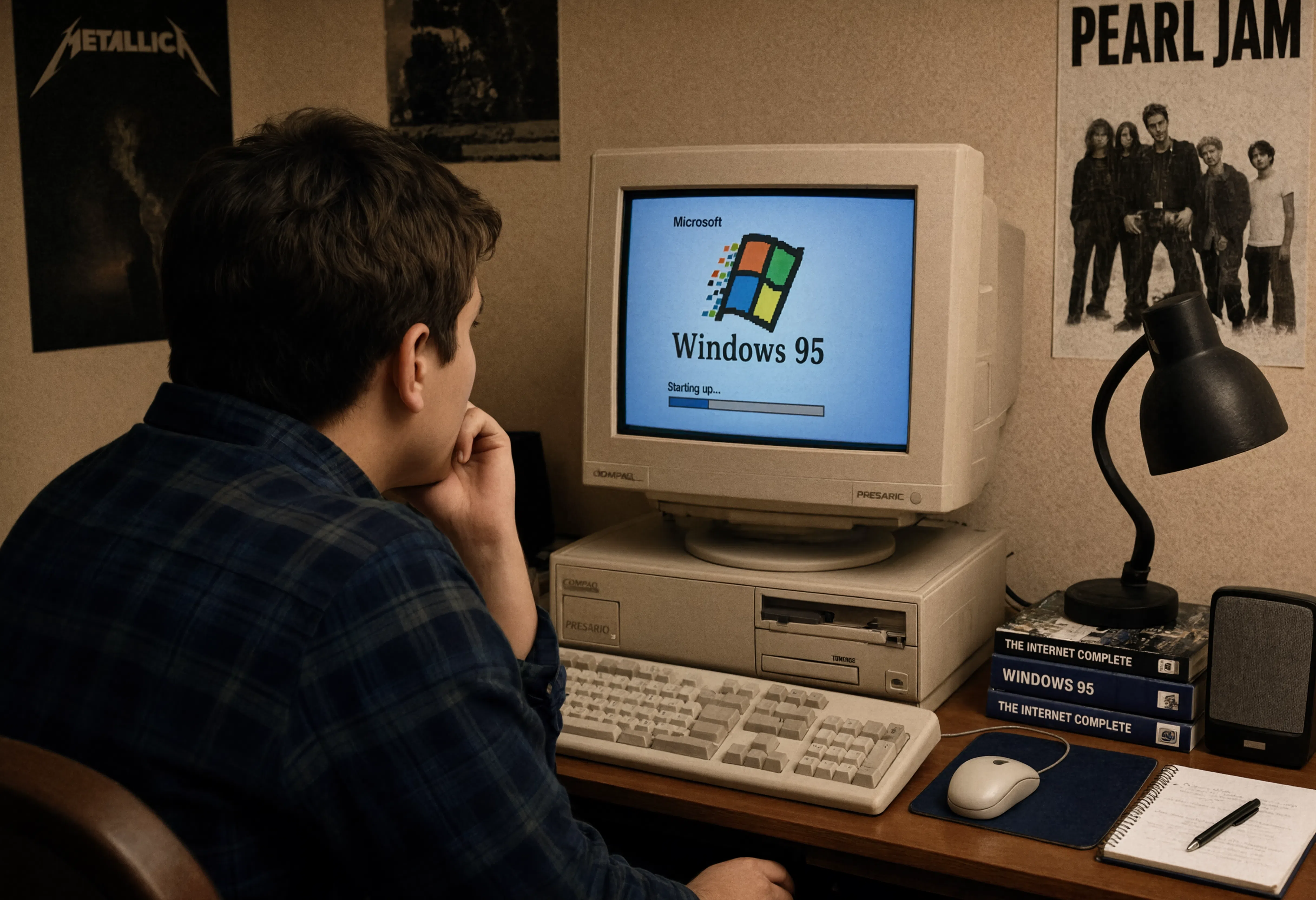
Older computers could take several minutes to turn on.
People would press the power button and wait while the machine slowly loaded.
Today, waiting 20 seconds for a device feels frustrating.
9. Using Dial-Up Internet
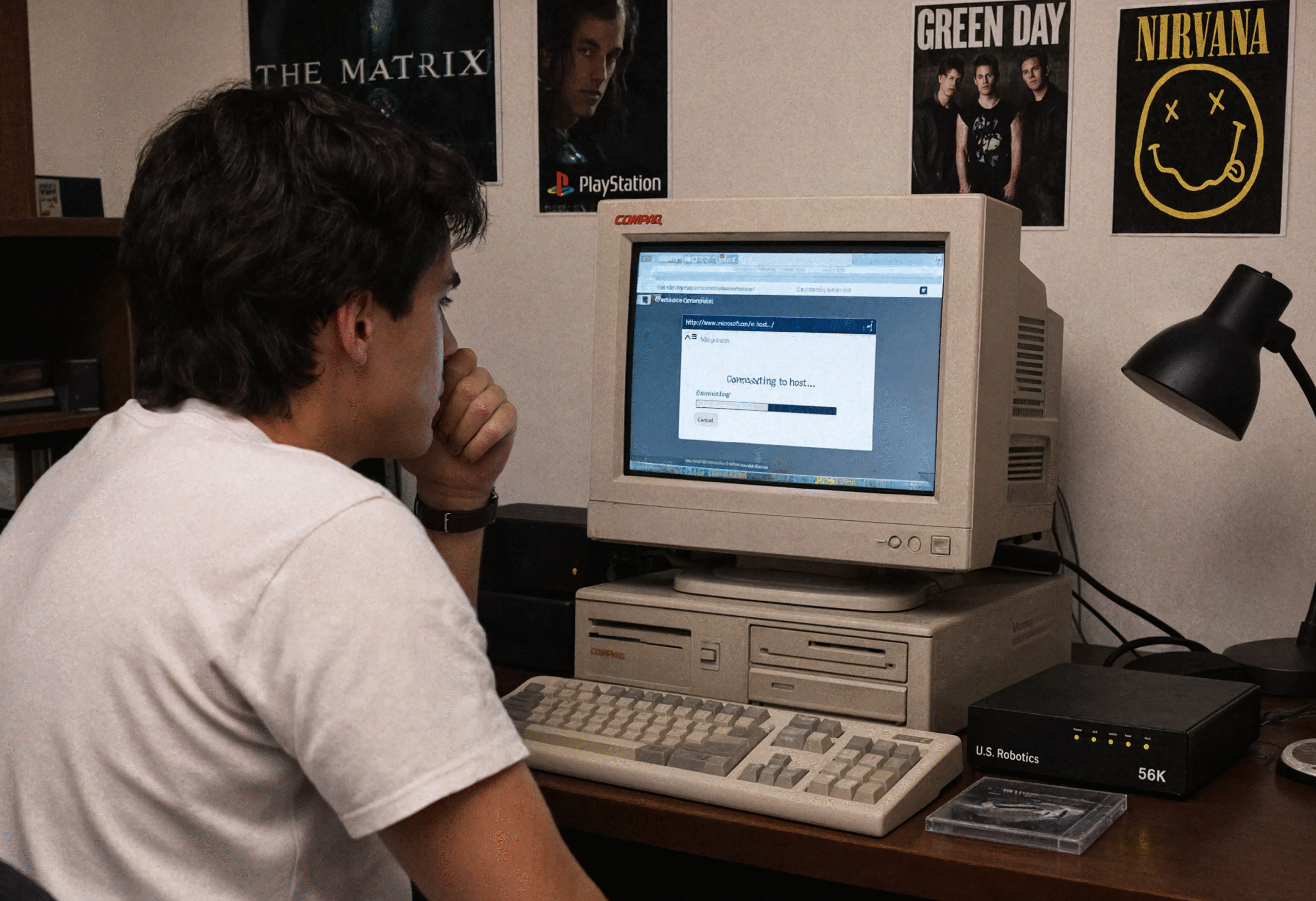
The sound of connecting to the internet was unforgettable.
A computer would make strange noises while trying to connect through the phone line.
Even after connecting, websites loaded slowly.
Downloading a song could take hours.
Today, people expect videos, games, and websites to load instantly.
10. Having One Family Computer
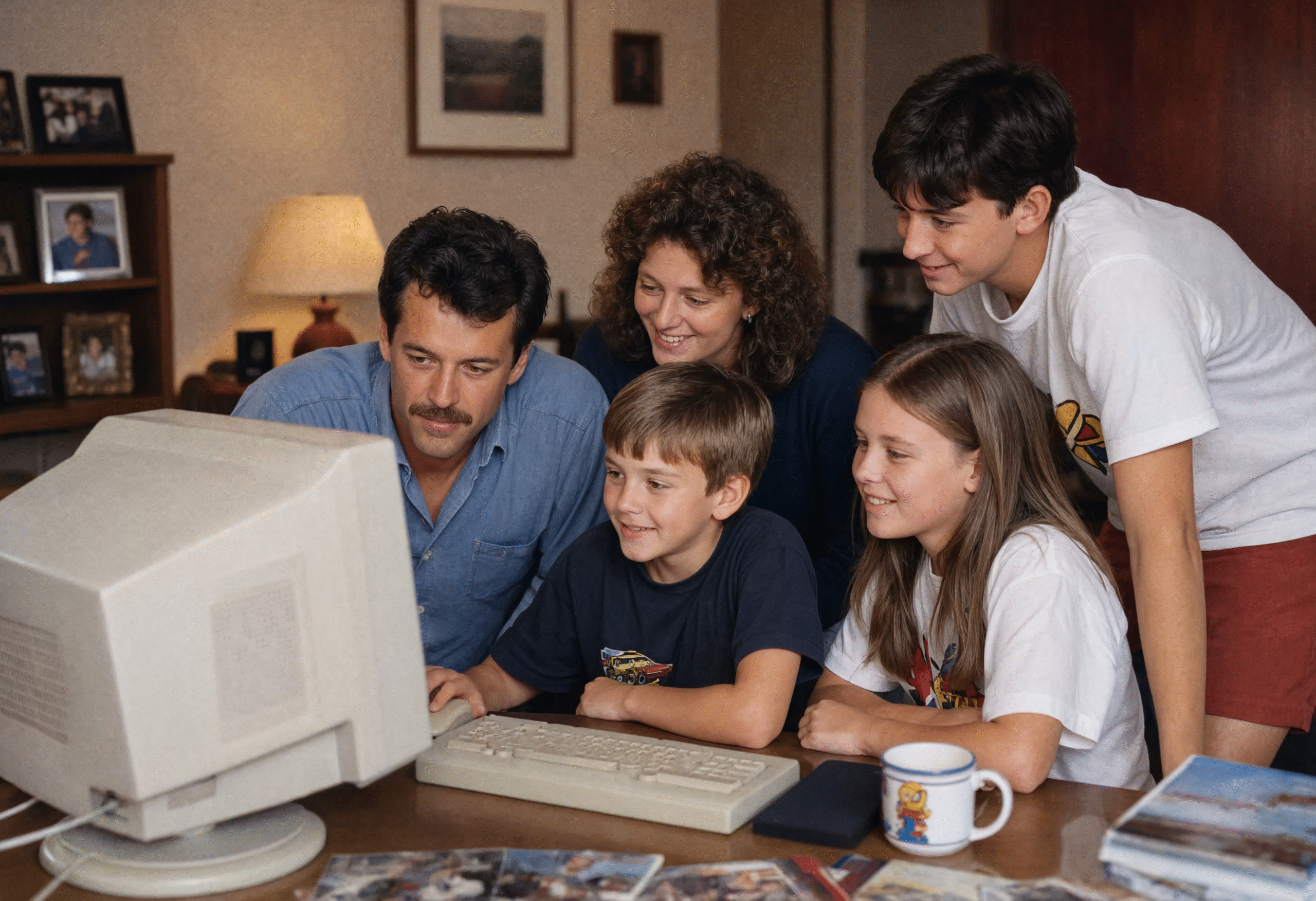
Many homes had only one computer.
Everyone shared the same device:
- Parents used it for work
- Kids used it for homework
- Families used it for games
Today, many households have multiple computers, tablets, and smartphones.
11. Printing Directions Before Leaving Home
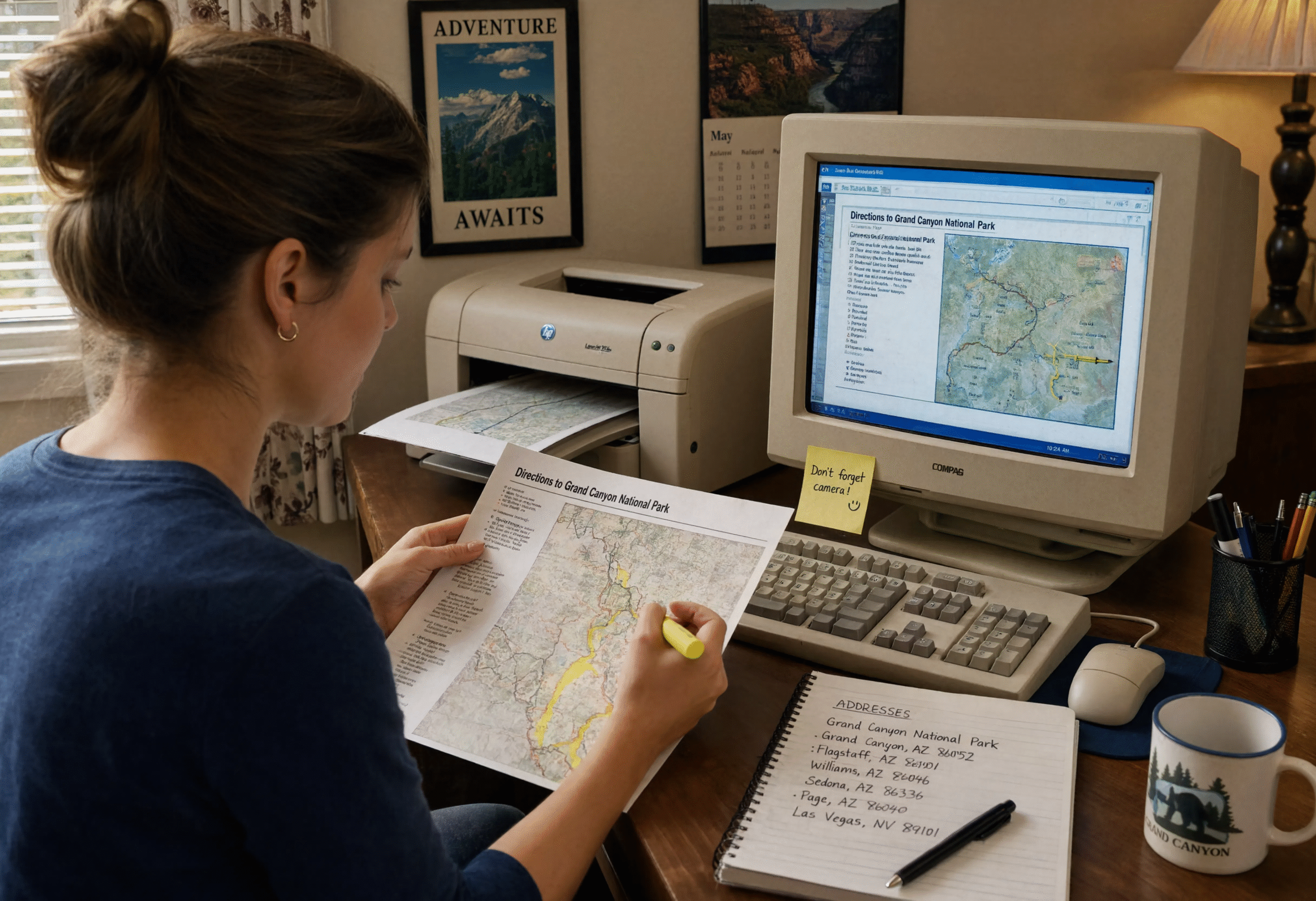
Before smartphones, travelers prepared everything before leaving.
People printed directions, highlighted routes, and wrote down addresses.
If they missed a turn, they had to figure it out themselves.
Today, navigation updates automatically in real time.
12. Carrying Cash Everywhere
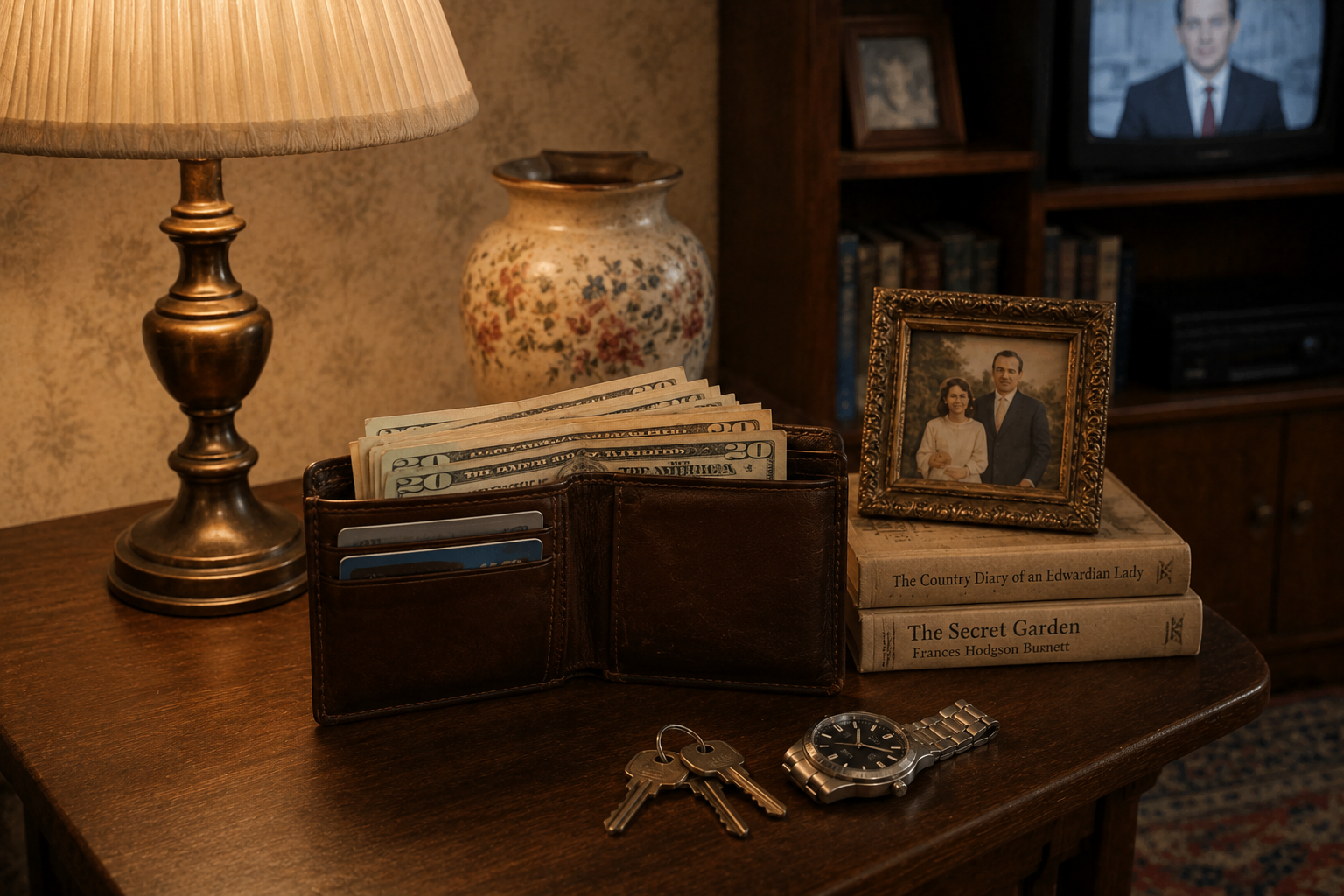
Credit cards existed, but cash was king.
People carried wallets full of bills and coins because many places did not accept cards.
Today, many people pay using phones, watches, or digital wallets.
13. Reading the Newspaper Every Morning
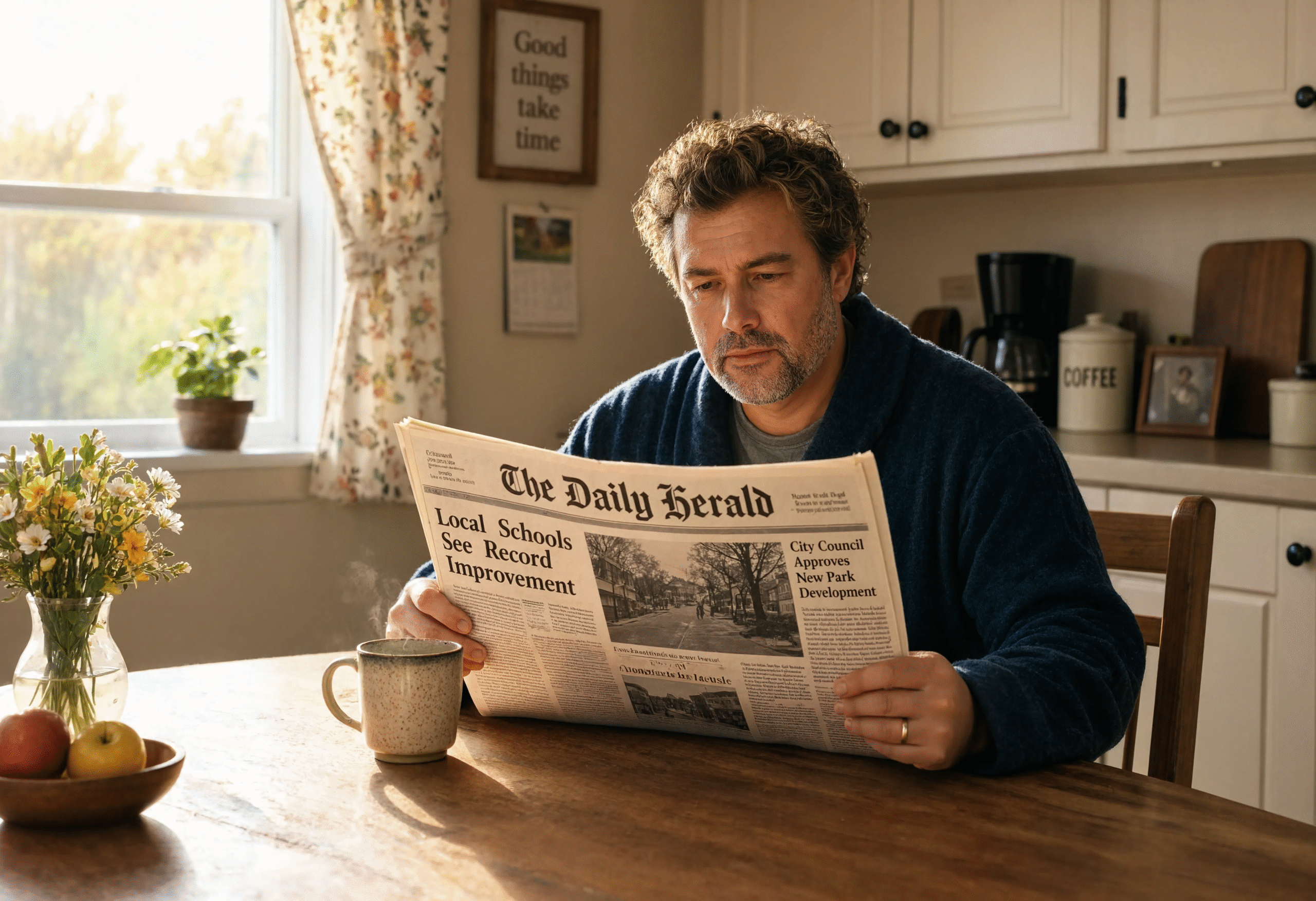
Millions of people started their day with a newspaper.
They would sit at the kitchen table and read:
- World news
- Sports
- Weather
- Local events
Today, most people receive news instantly through their phones.
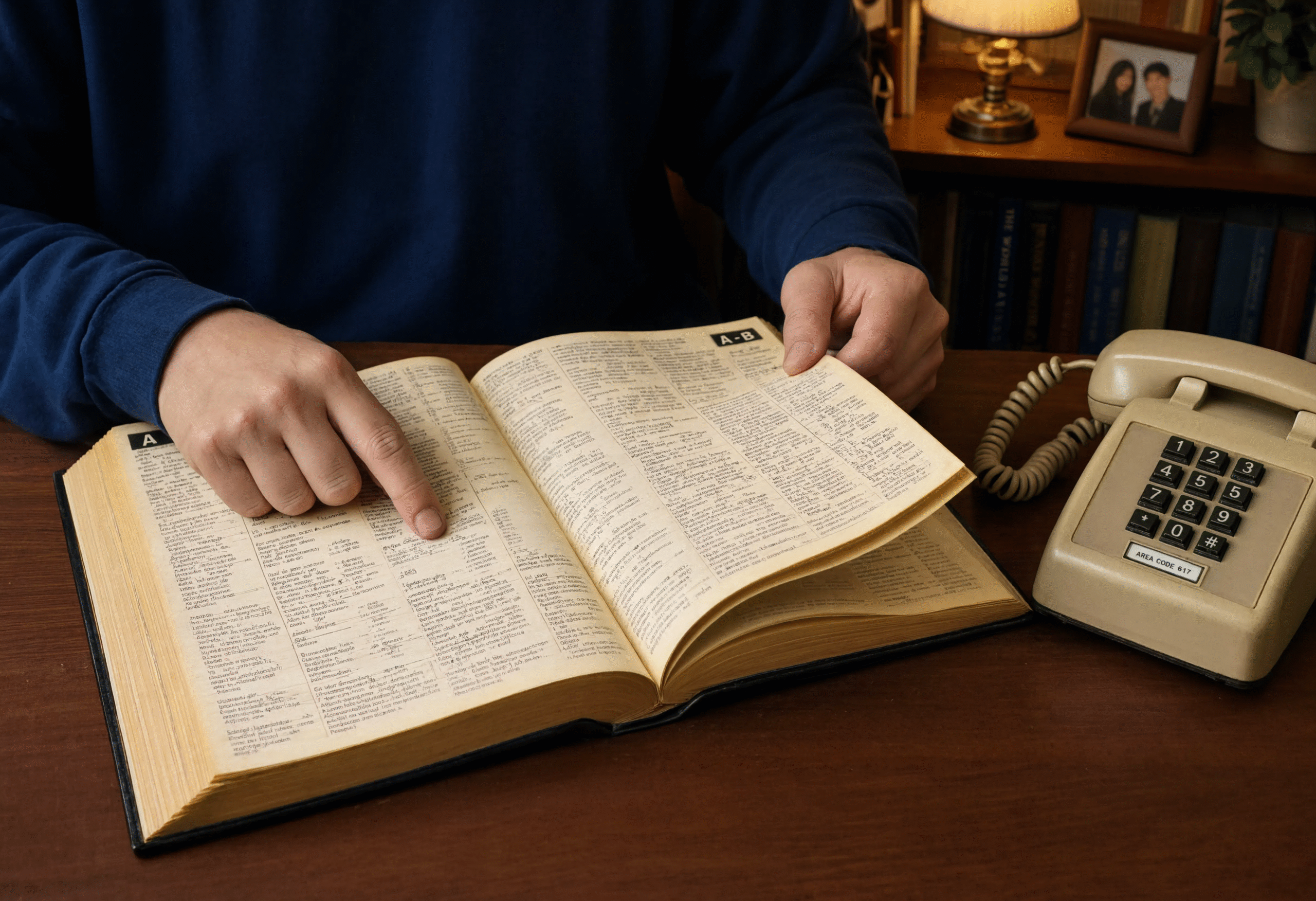
14. Looking Up Phone Numbers in a Phone Book
Phone books were huge printed directories delivered to homes.
Need a restaurant number?
You searched alphabetically through hundreds of pages.
Today, people simply search online.
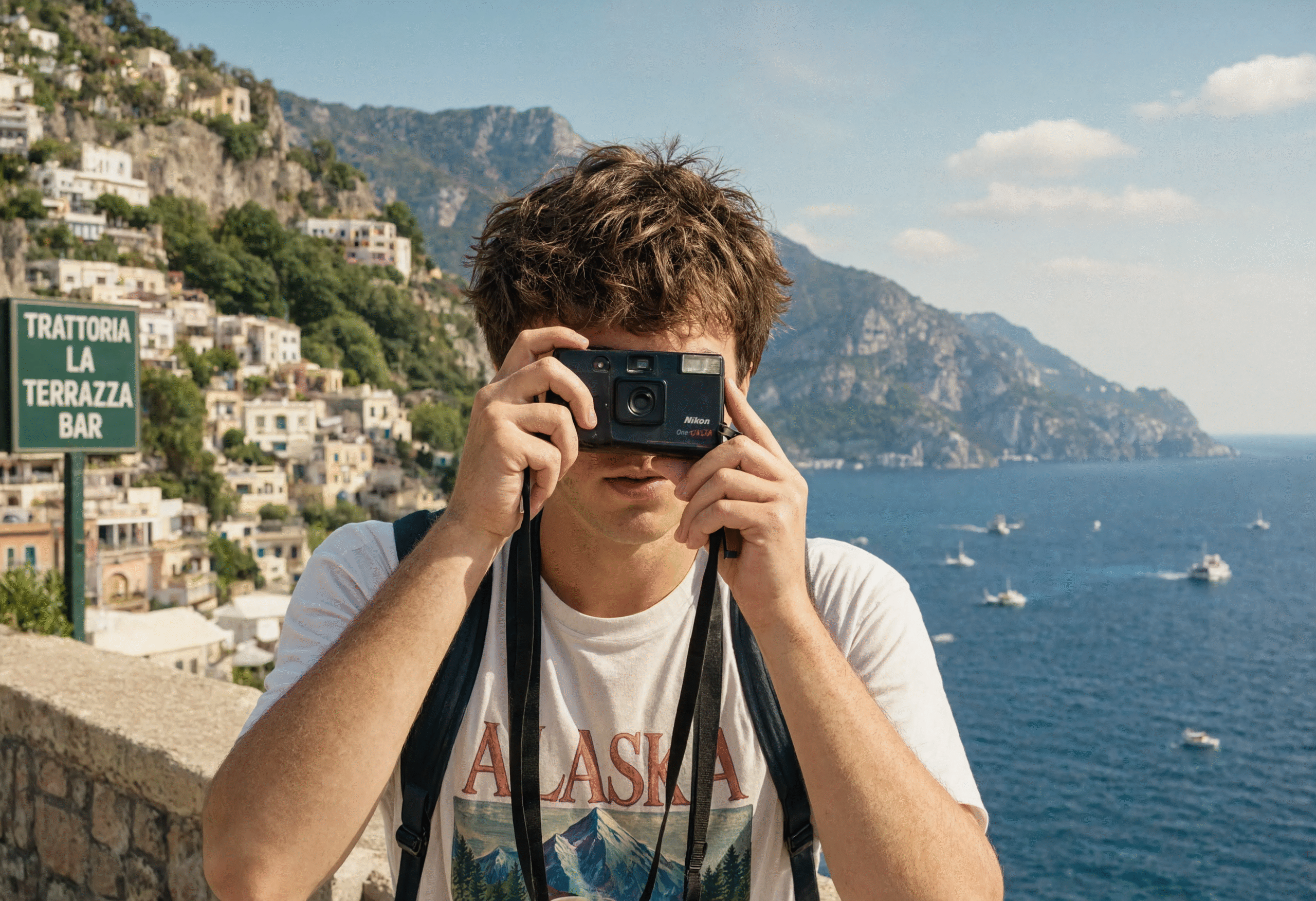
15. Using a Camera That Was Not a Phone
A camera was a separate device.
People carried cameras on vacations and special occasions.
Today, many smartphones produce better photos than expensive cameras from decades ago.
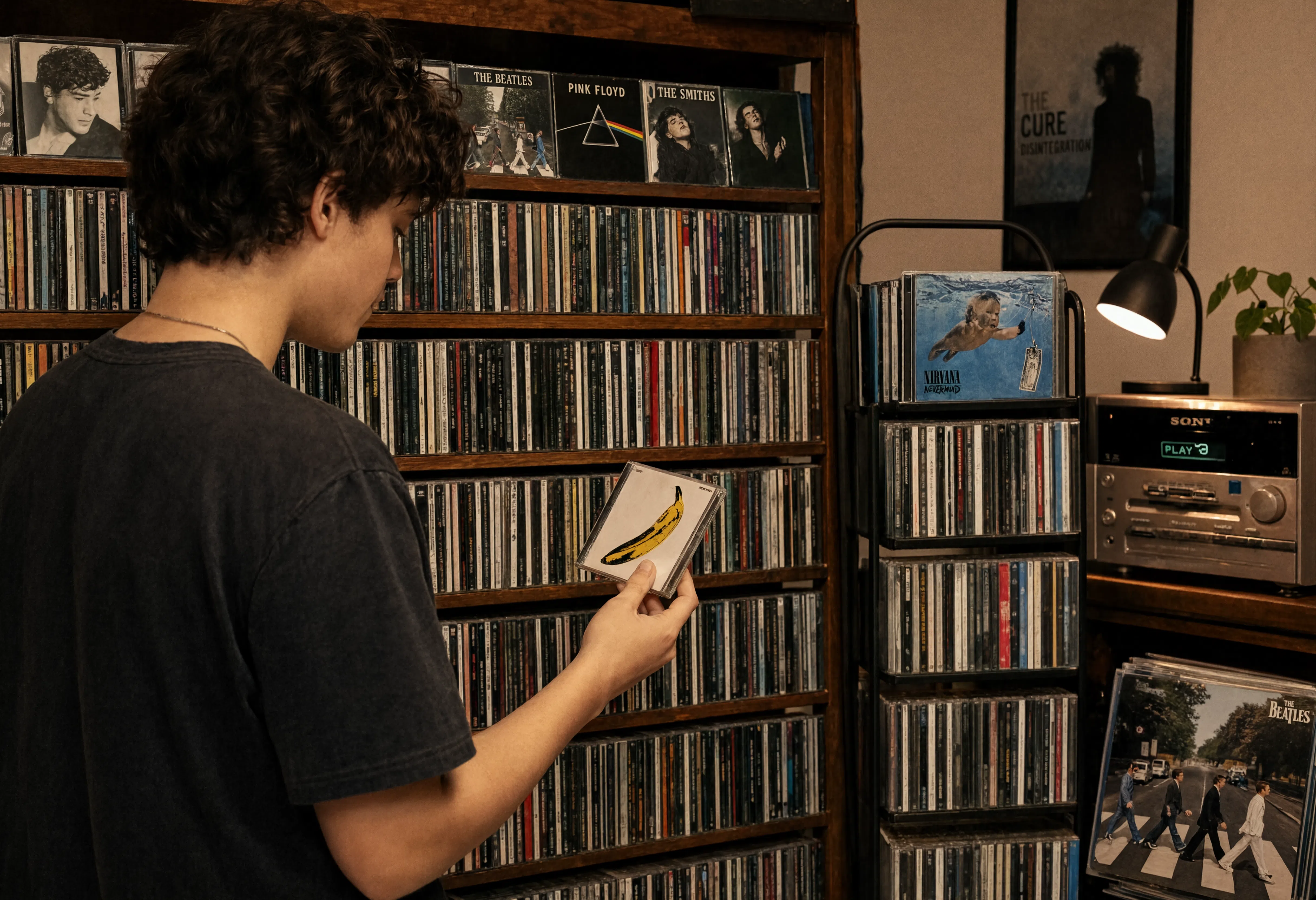
16. Listening to Music on CDs
Music collections used to take up physical space.
People owned shelves filled with CDs from their favorite artists.
Today, millions of songs fit inside a smartphone.
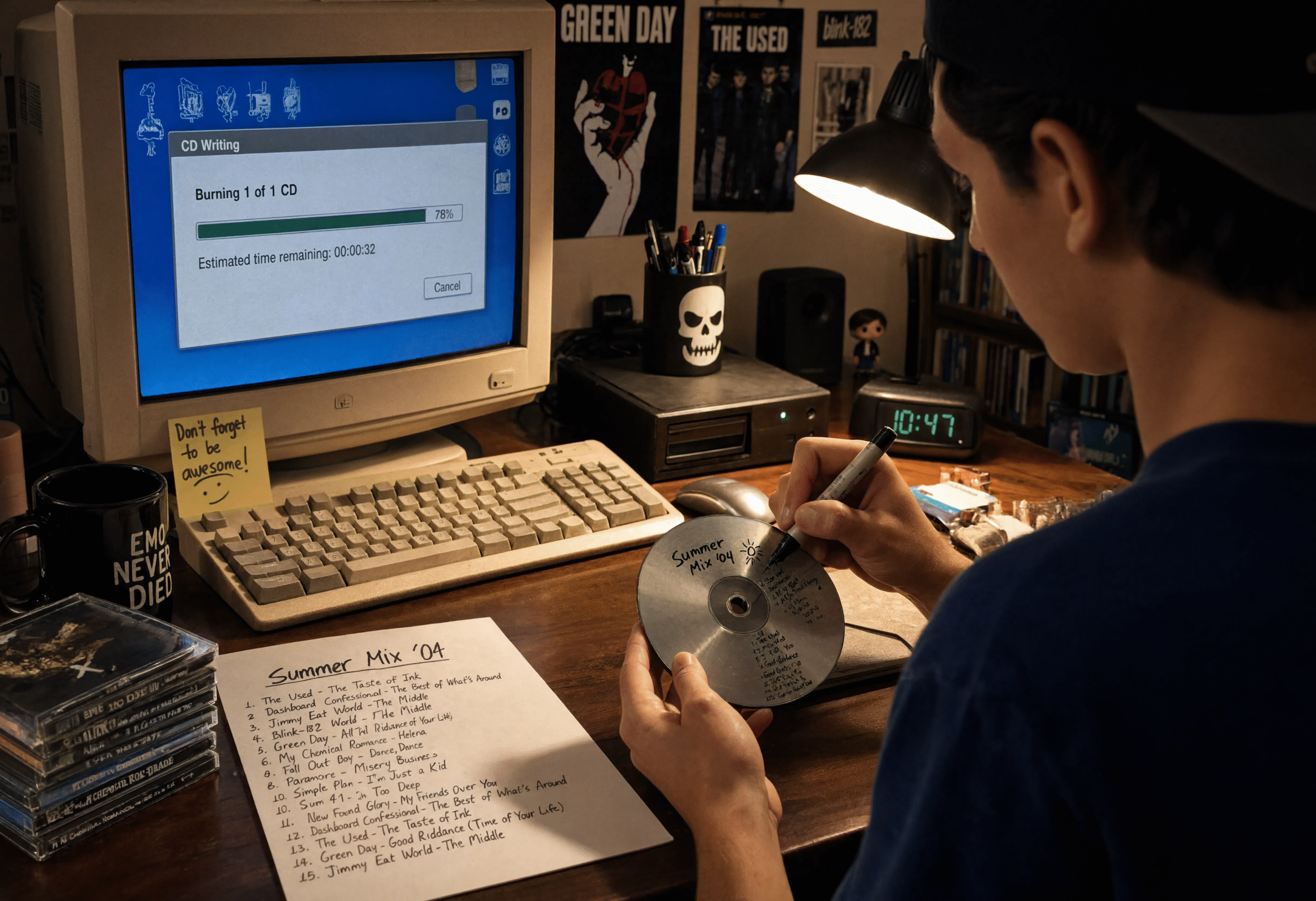
17. Making a Playlist Using a Mix CD
Creating the perfect music collection was a project.
People carefully selected songs, burned CDs, and created custom labels.
Today, playlists can be created instantly.
18. Waiting for a Song on the Radio
Before streaming, people waited for their favorite song to play.
If they missed it, they might have to wait hours or days.
Today, any song is available immediately.
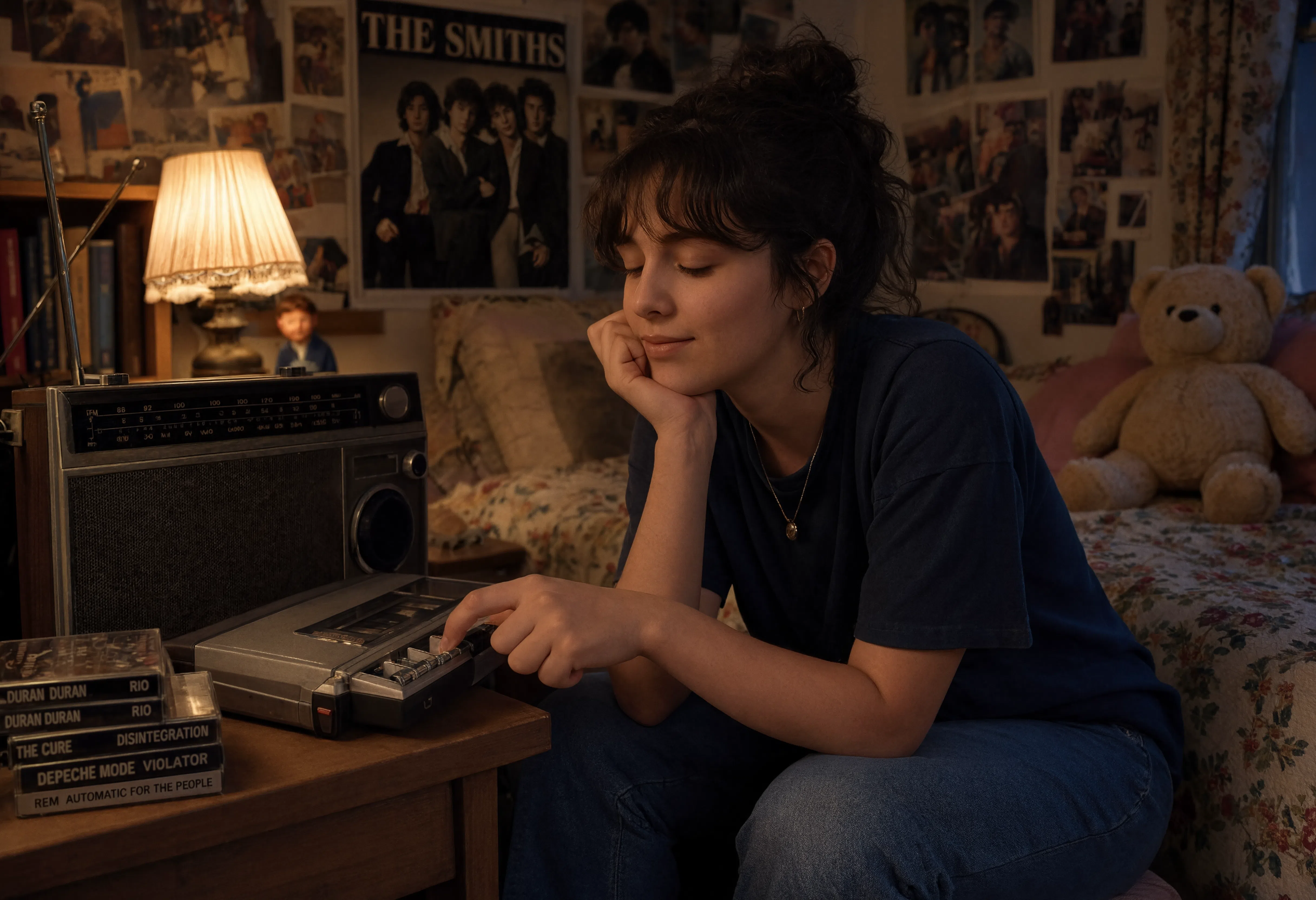
19. Using a Physical Alarm Clock
Many people had a separate alarm clock next to their bed.
Today, most people use their smartphone.

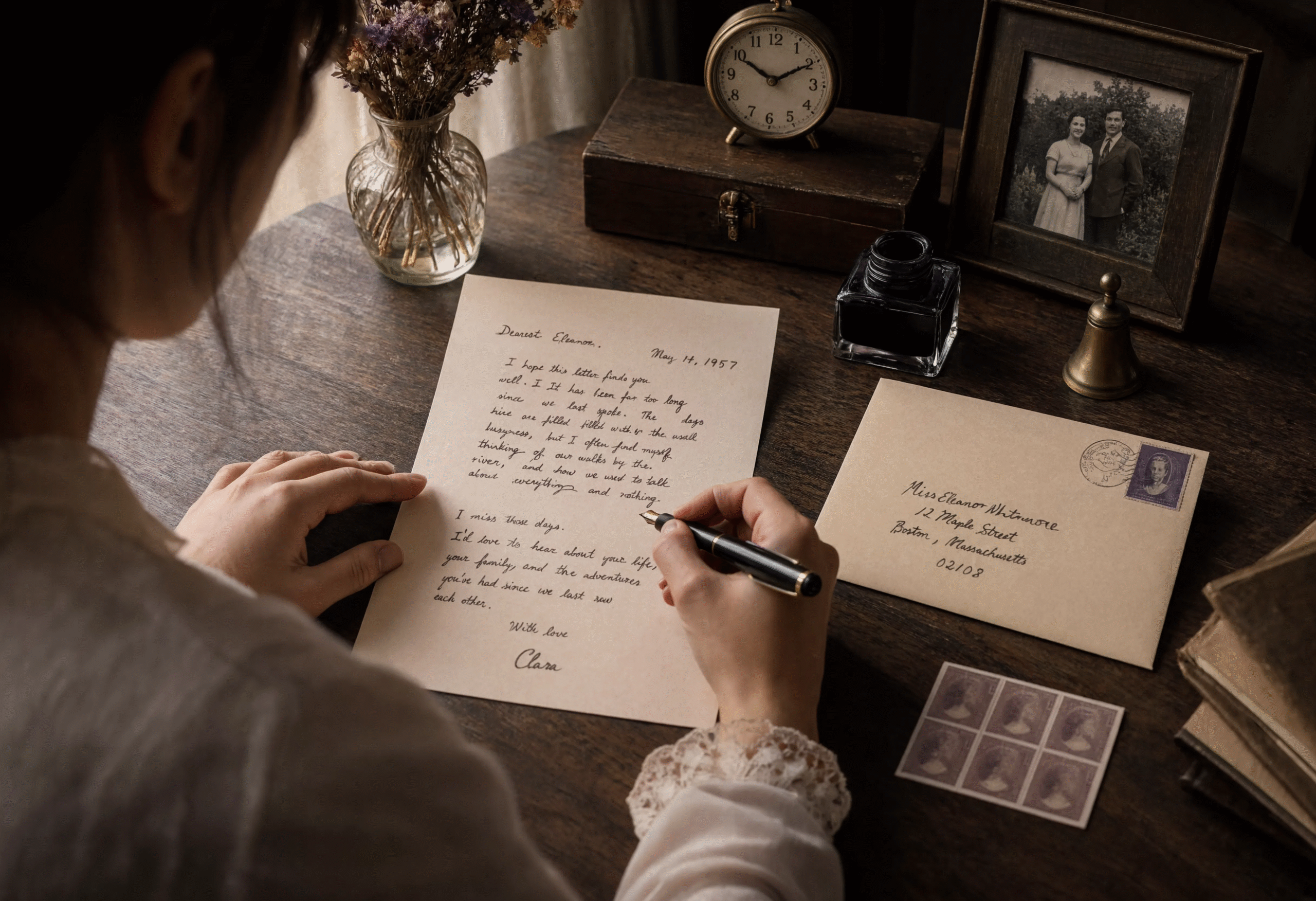
20. Writing Letters Instead of Sending Messages
Communication was slower.
People wrote letters, mailed them, and waited days for a response.
Today, messages arrive instantly.
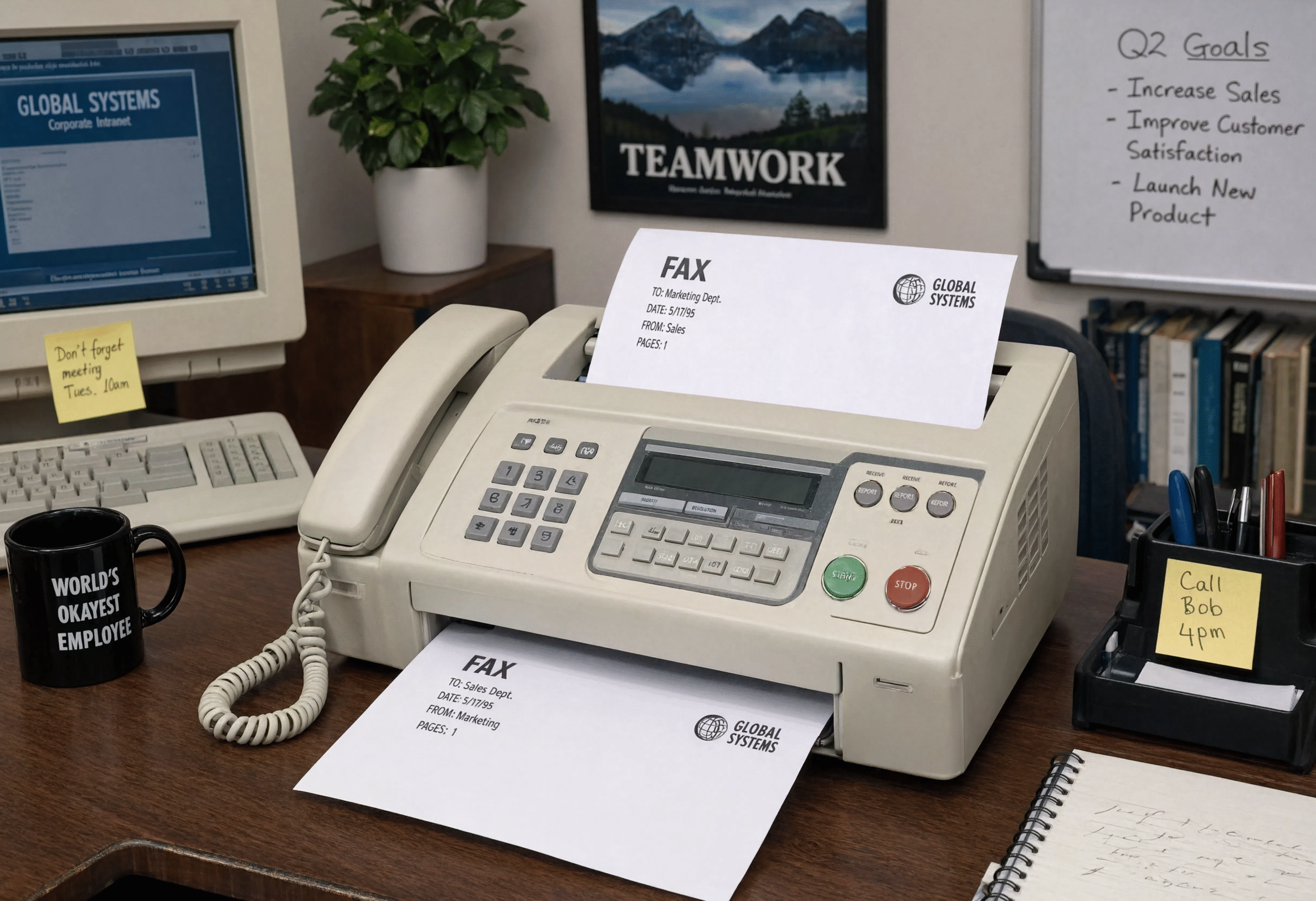
21. Using a Fax Machine
Fax machines were essential in many businesses.
Documents were scanned, sent through phone lines, and printed somewhere else.
Today, sending documents digitally is much easier.
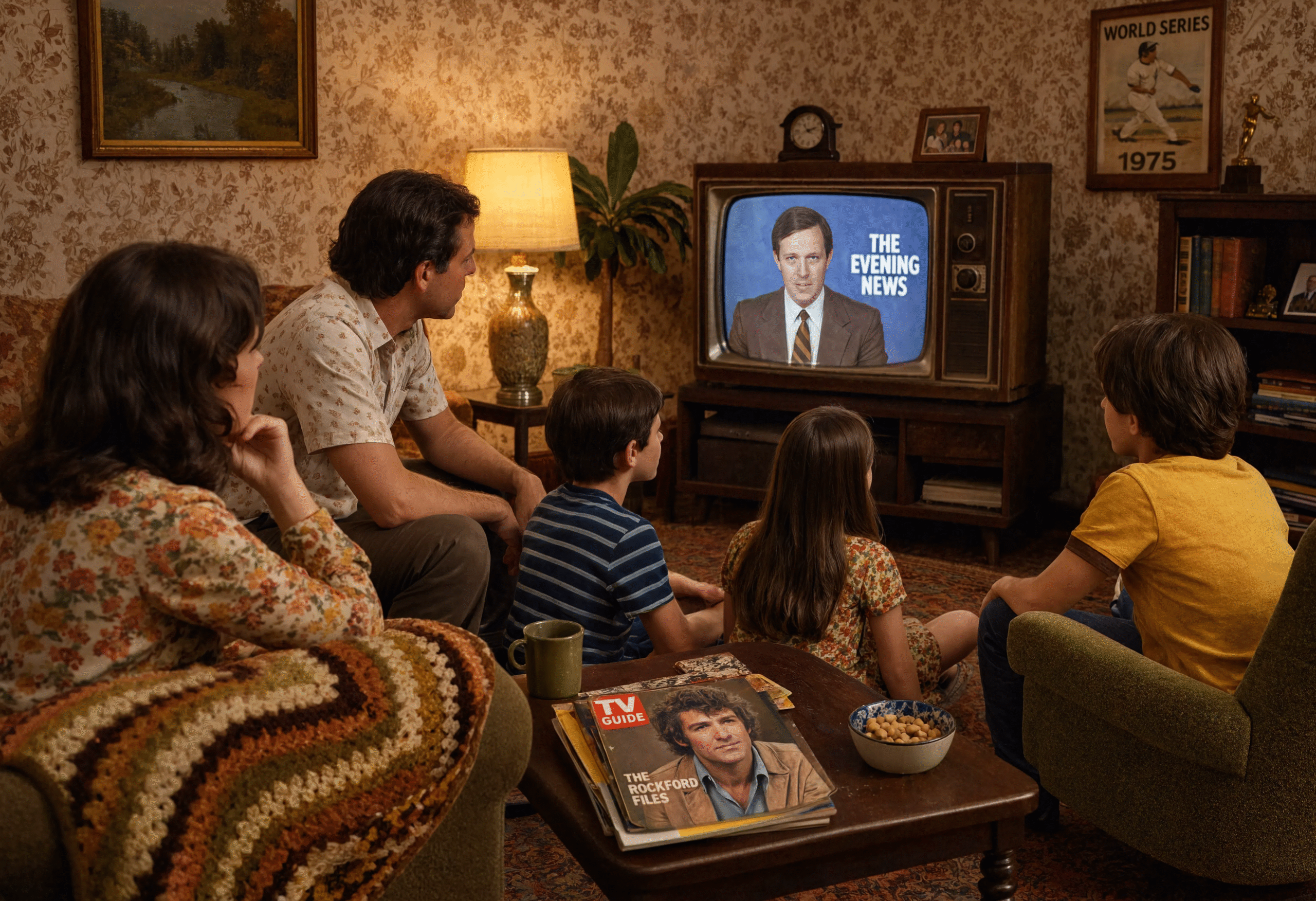
22. Watching Movies Only at Certain Times
People had to follow TV schedules.
If a movie started at 8 PM, you had to be ready at 8 PM.
Today, viewers choose what they want whenever they want.
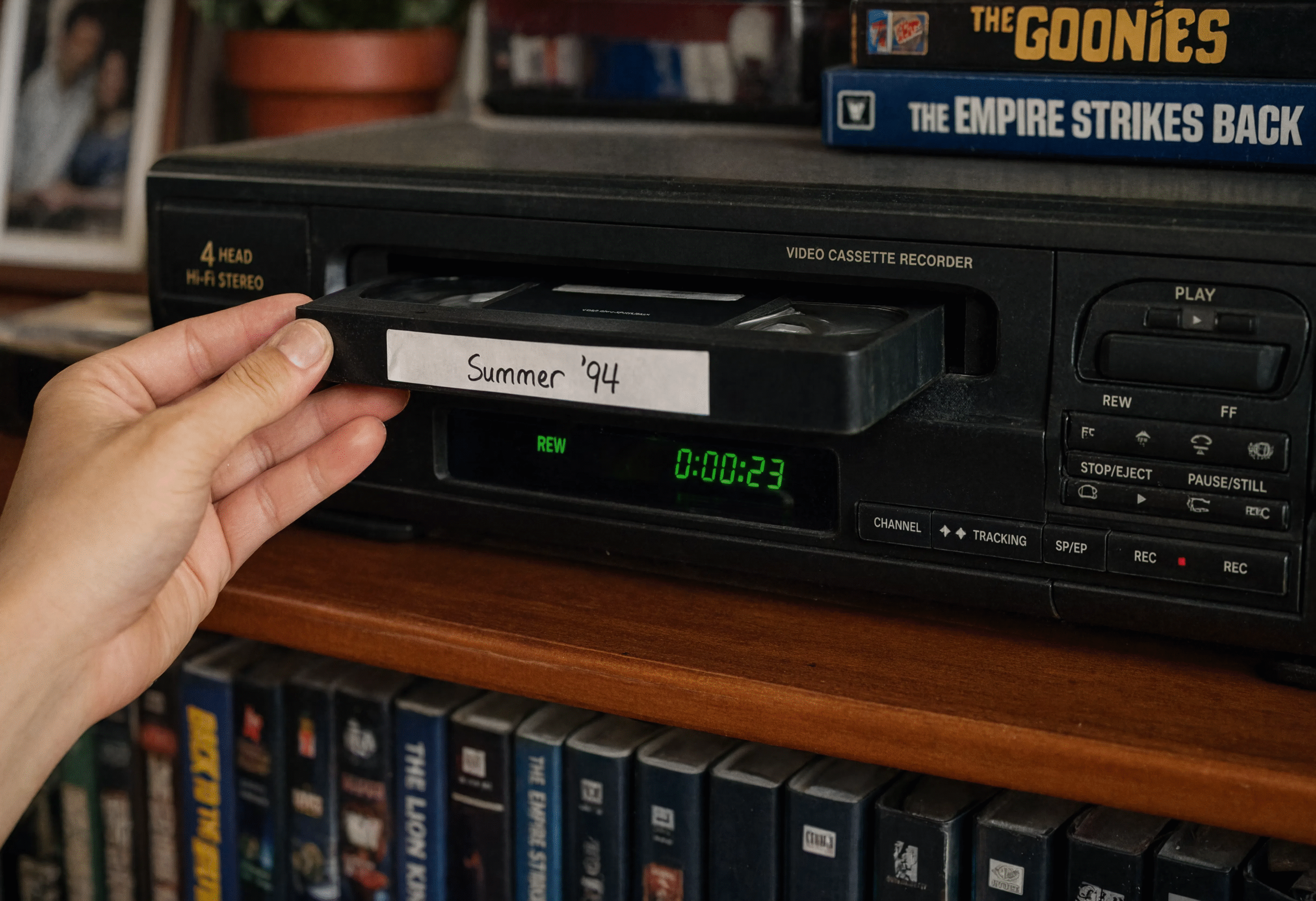
23. Rewinding a Tape Before Returning It
A simple rule:
“Please rewind before returning.”
Today, younger people might not even understand why.
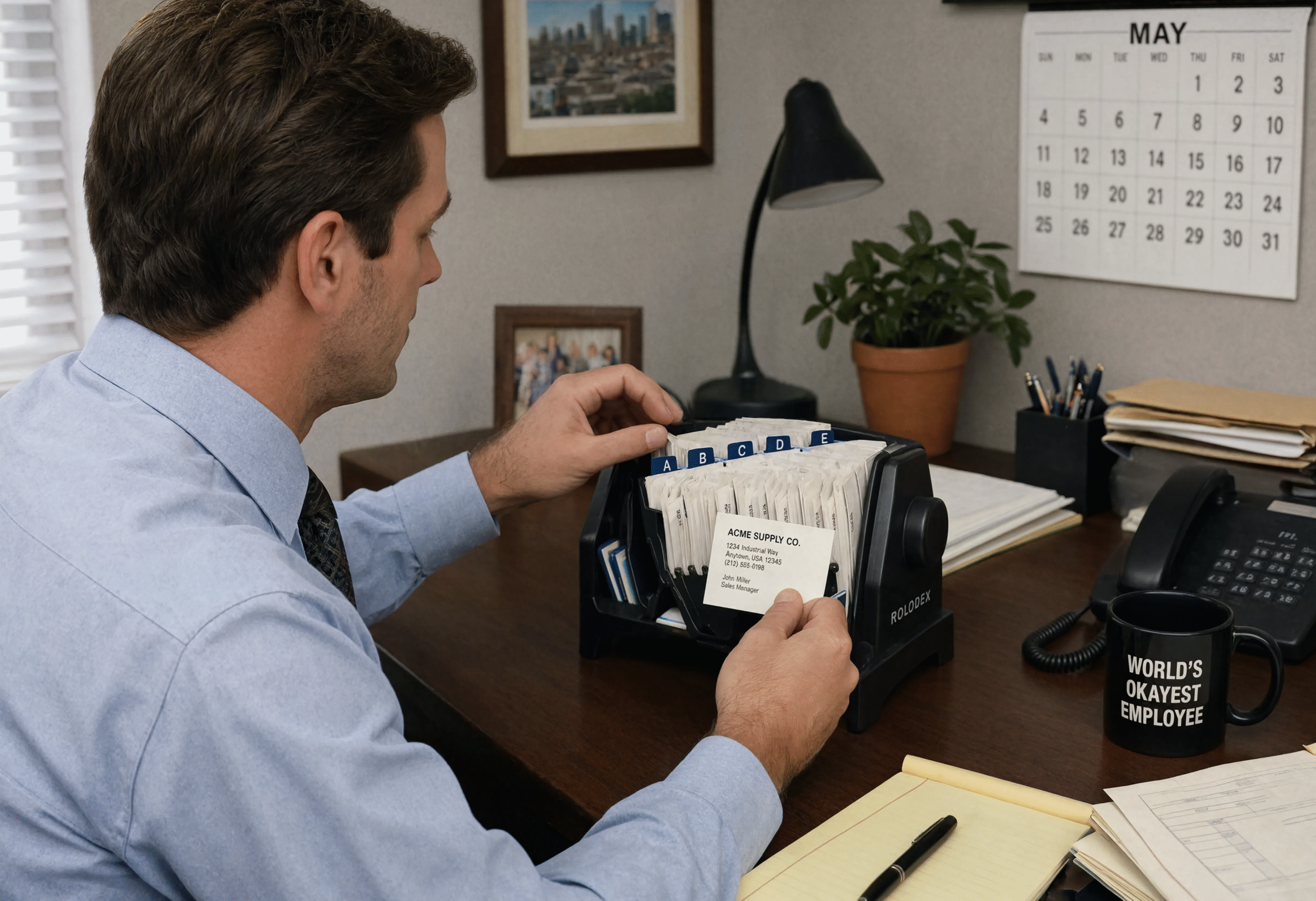
24. Using a Rolodex for Contacts
Businesses kept contact information on rotating cards.
Today, contacts are stored digitally.
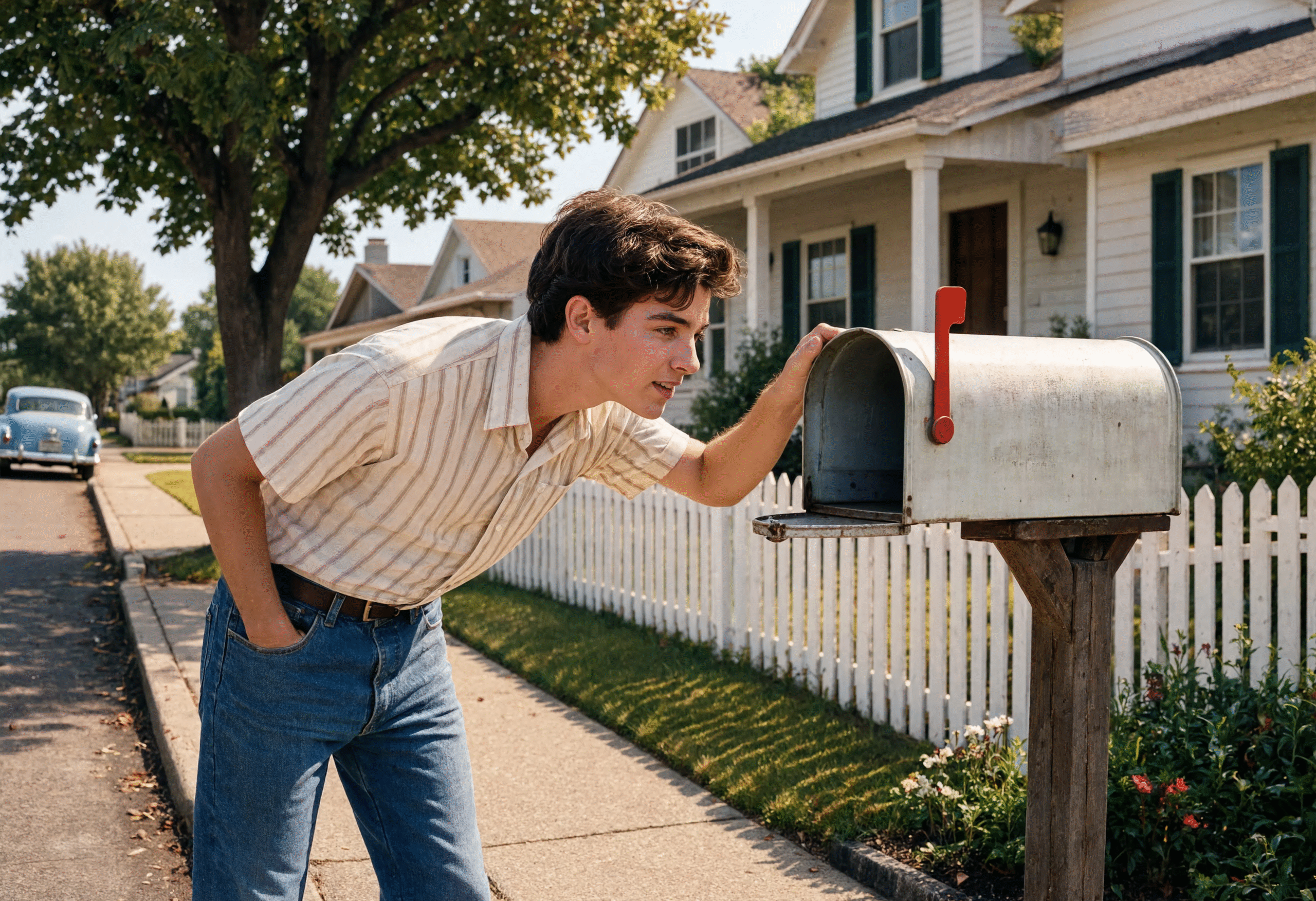
25. Waiting Weeks for Mail
Receiving a letter or package was exciting.
Today, people track deliveries minute by minute.
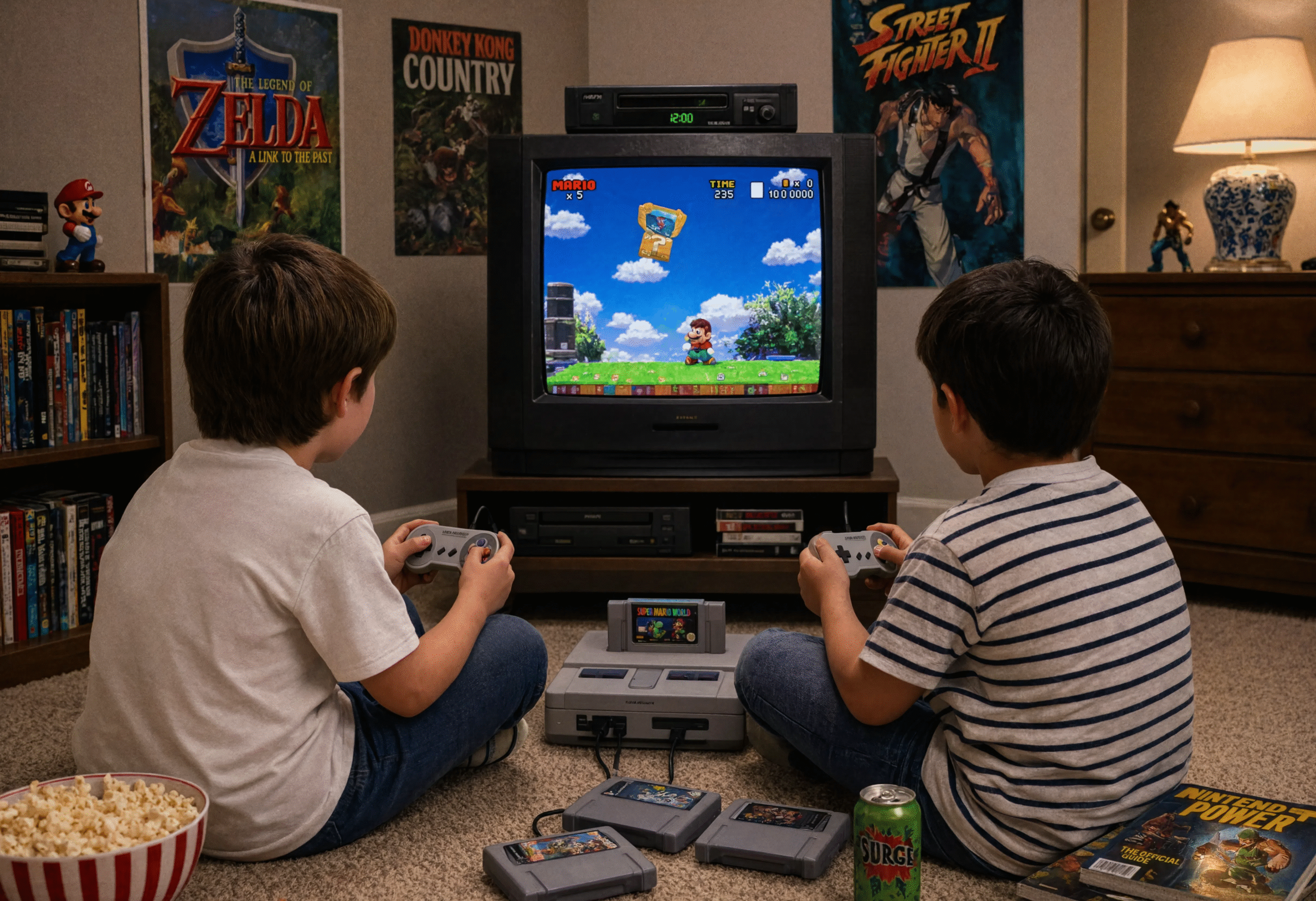
26. Playing Games Without Internet
Video games were mostly offline.
Friends gathered in the same room to play together.
Today, gaming is often connected globally.
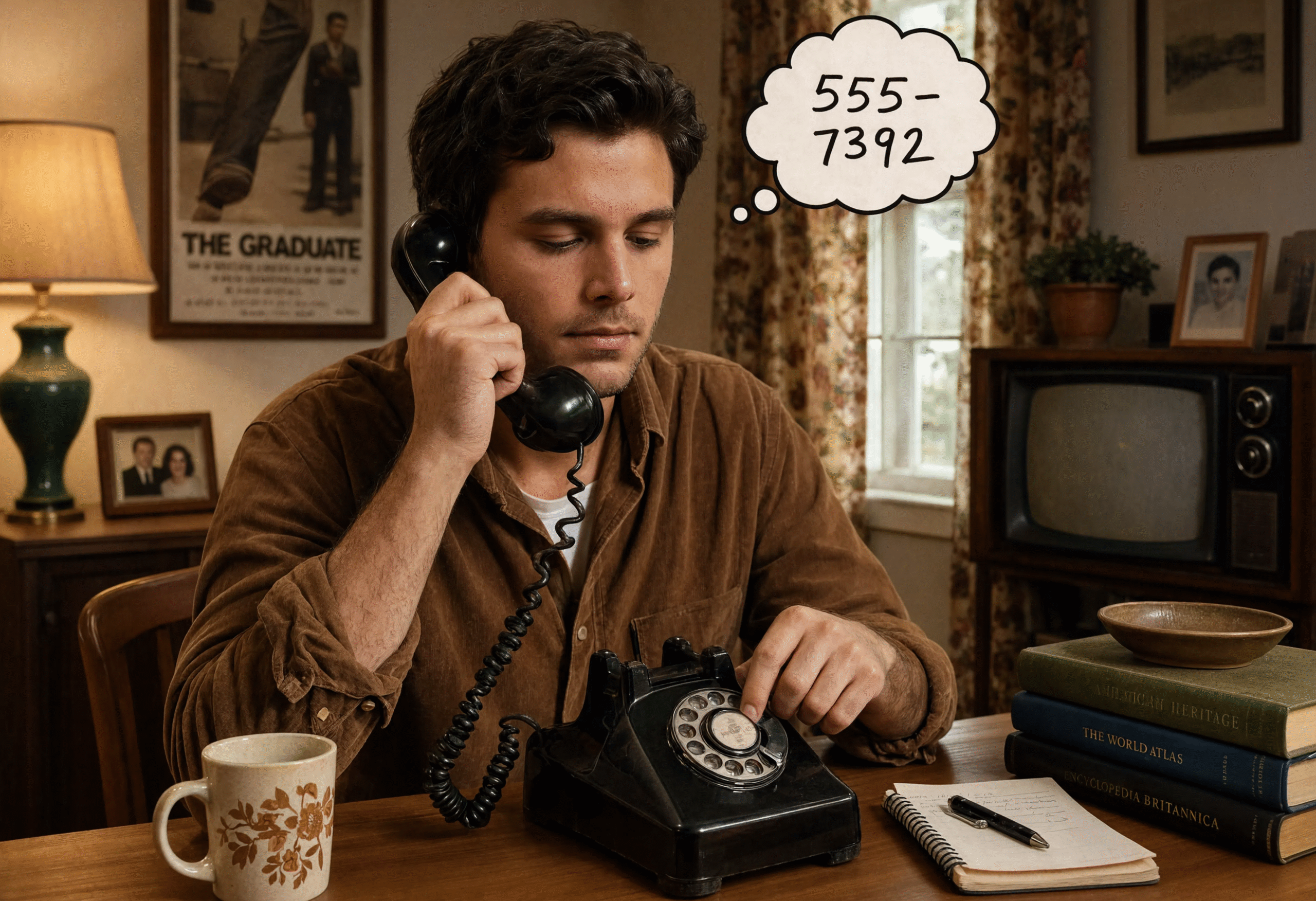
27. Memorizing Phone Numbers
People remembered important numbers because there was no contact list.
Today, many people cannot remember even close family numbers.
28. Renting Movies Instead of Streaming
Movie night required planning.
You had to choose something available at the store.
Today, entertainment is unlimited.
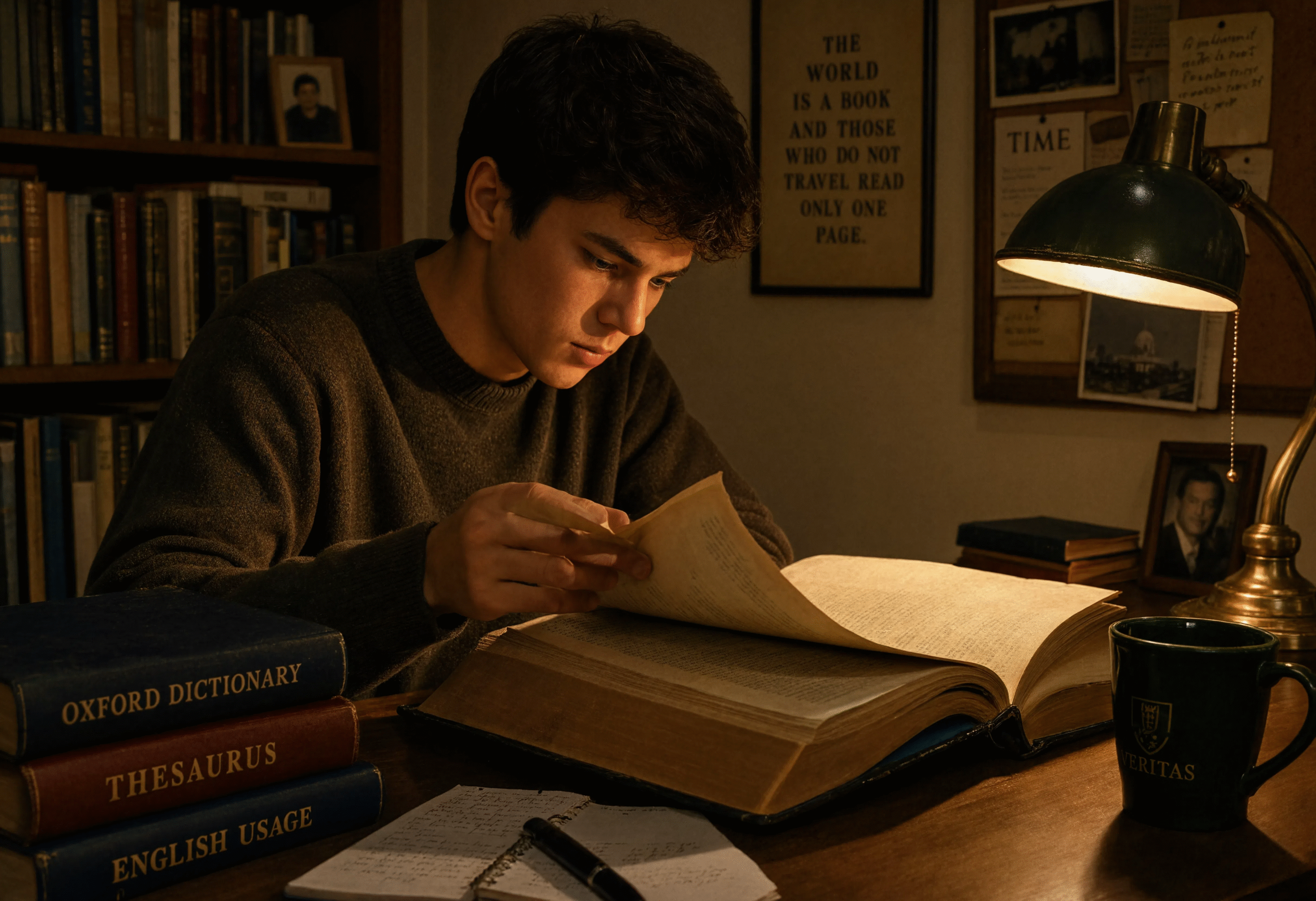
29. Using Physical Dictionaries
Need to know a word?
You looked it up in a dictionary.
Today, definitions appear instantly.
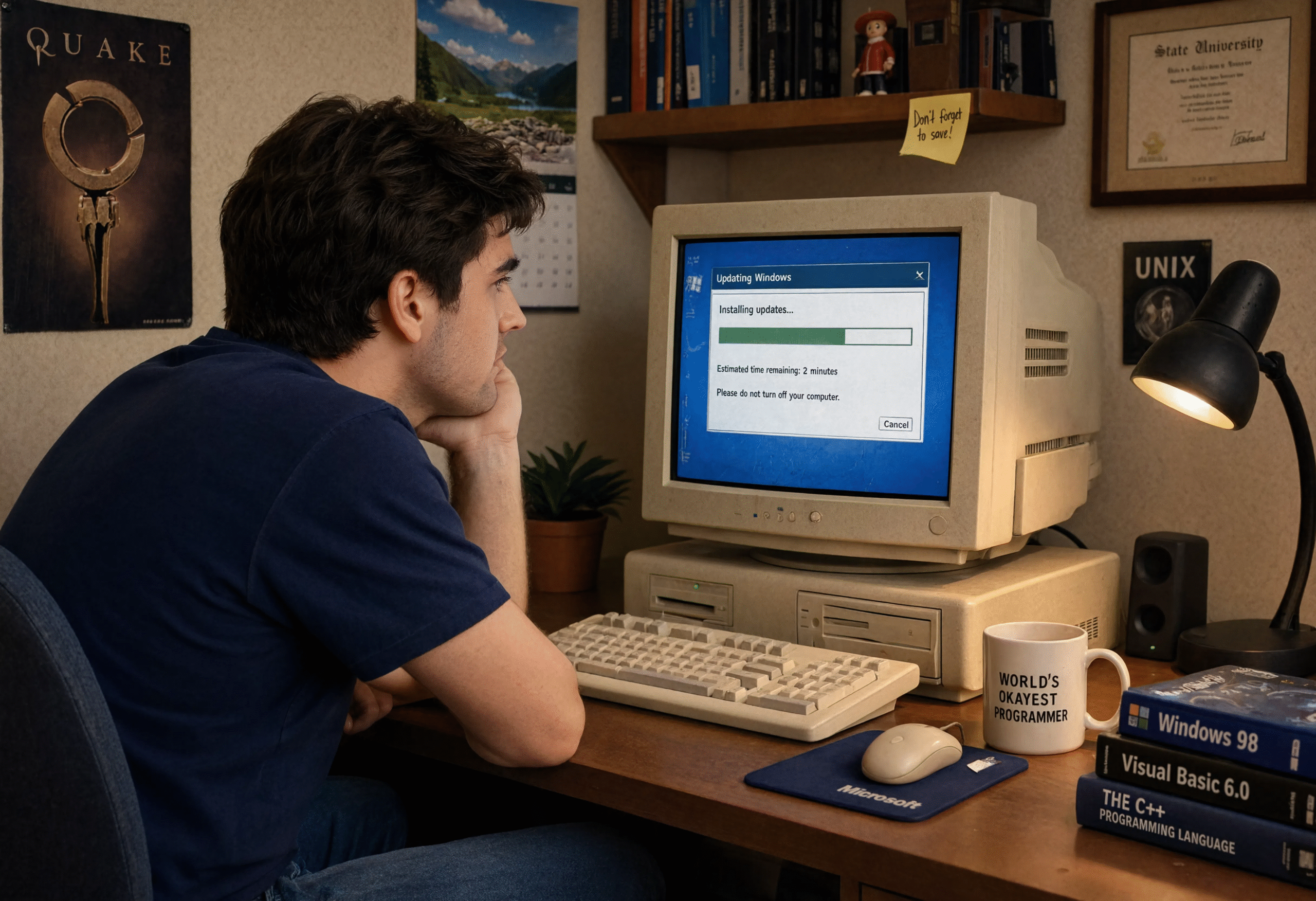
30. Waiting for Computer Updates
Older software updates were rare.
Today, devices constantly update apps and systems.
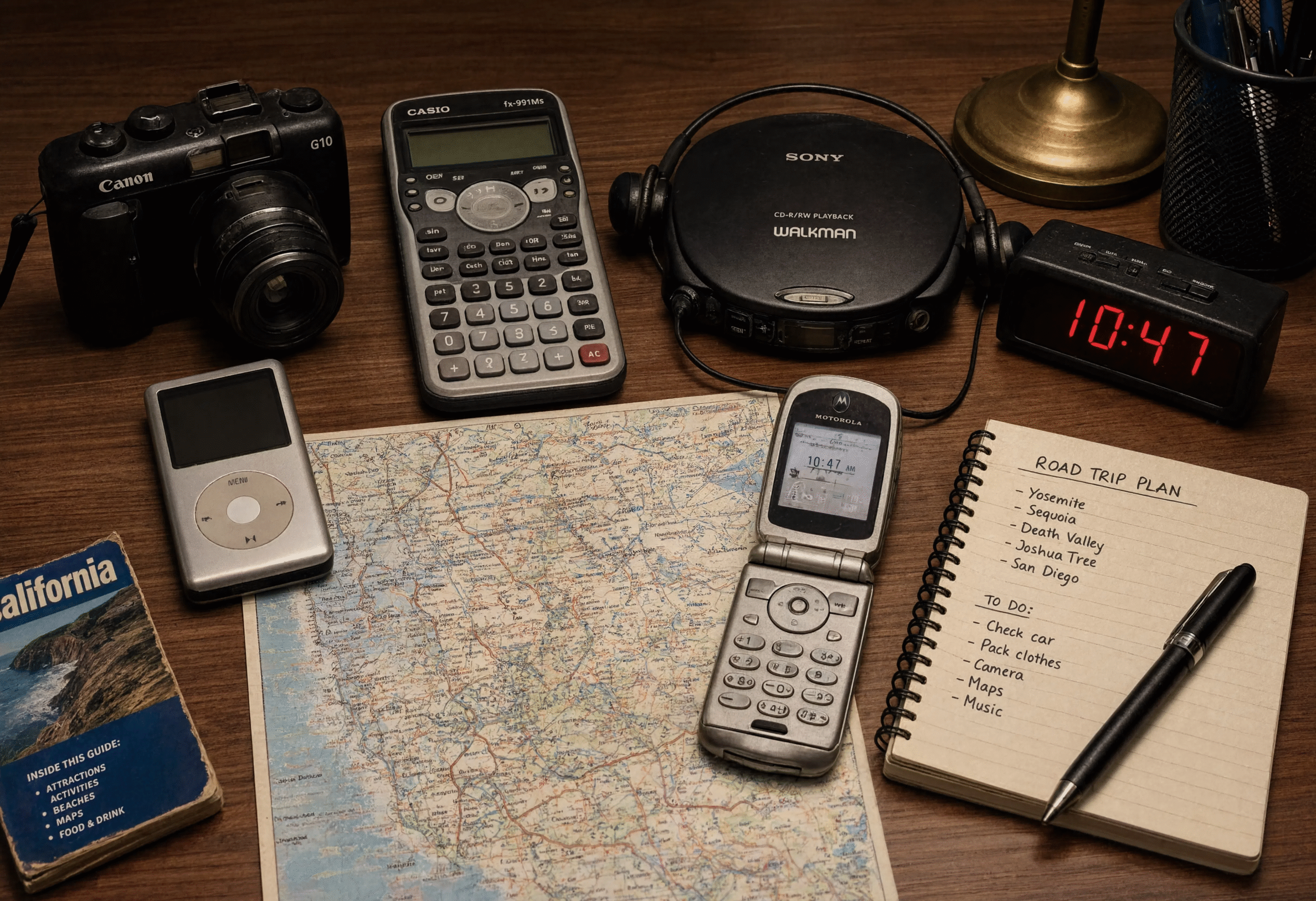
31. Having Separate Devices for Everything
People had:
- Cameras
- Music players
- Calculators
- GPS devices
- Alarm clocks
Today, one smartphone replaces them all.
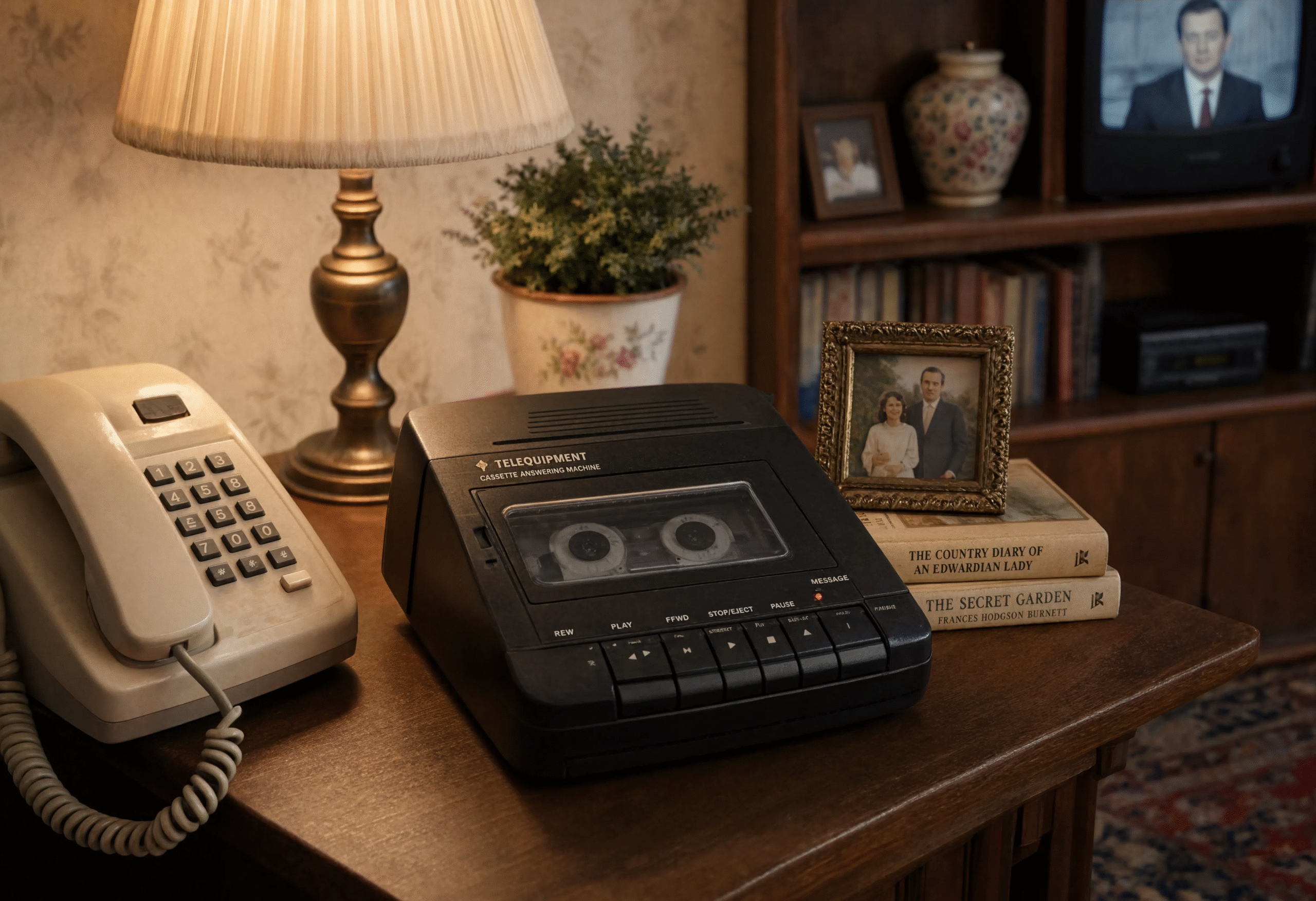
32. Using an Answering Machine
If someone called and you were not home, they left a recorded message.
Today, voicemail notifications appear instantly.
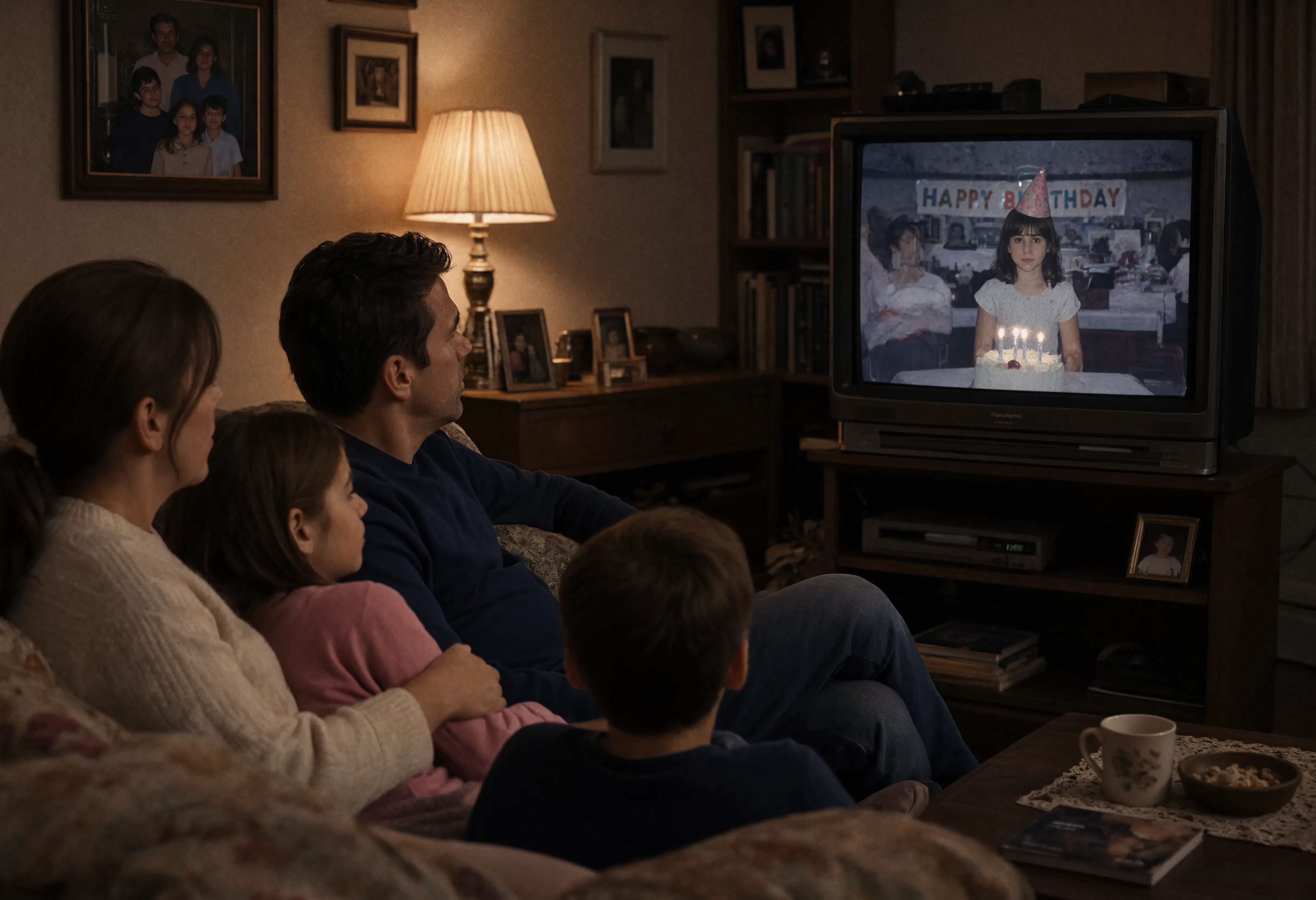
33. Watching Home Videos on Tapes
Families recorded birthdays and vacations on video cameras.
Watching them required connecting equipment to a television.
Today, videos are instantly shared online.
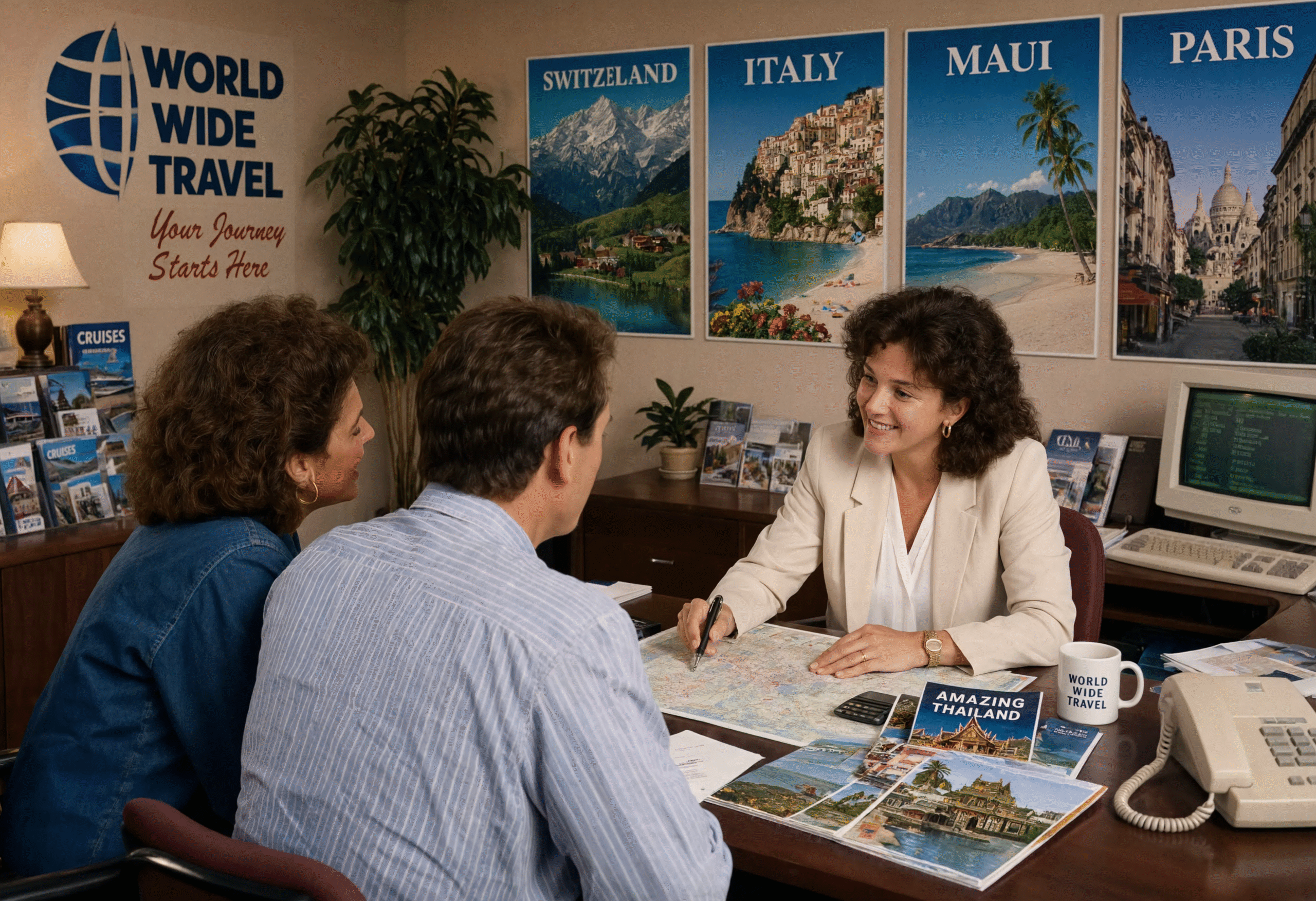
34. Going to a Travel Agent
Planning a vacation often involved visiting an agent.
Today, people compare flights, hotels, and reviews online.
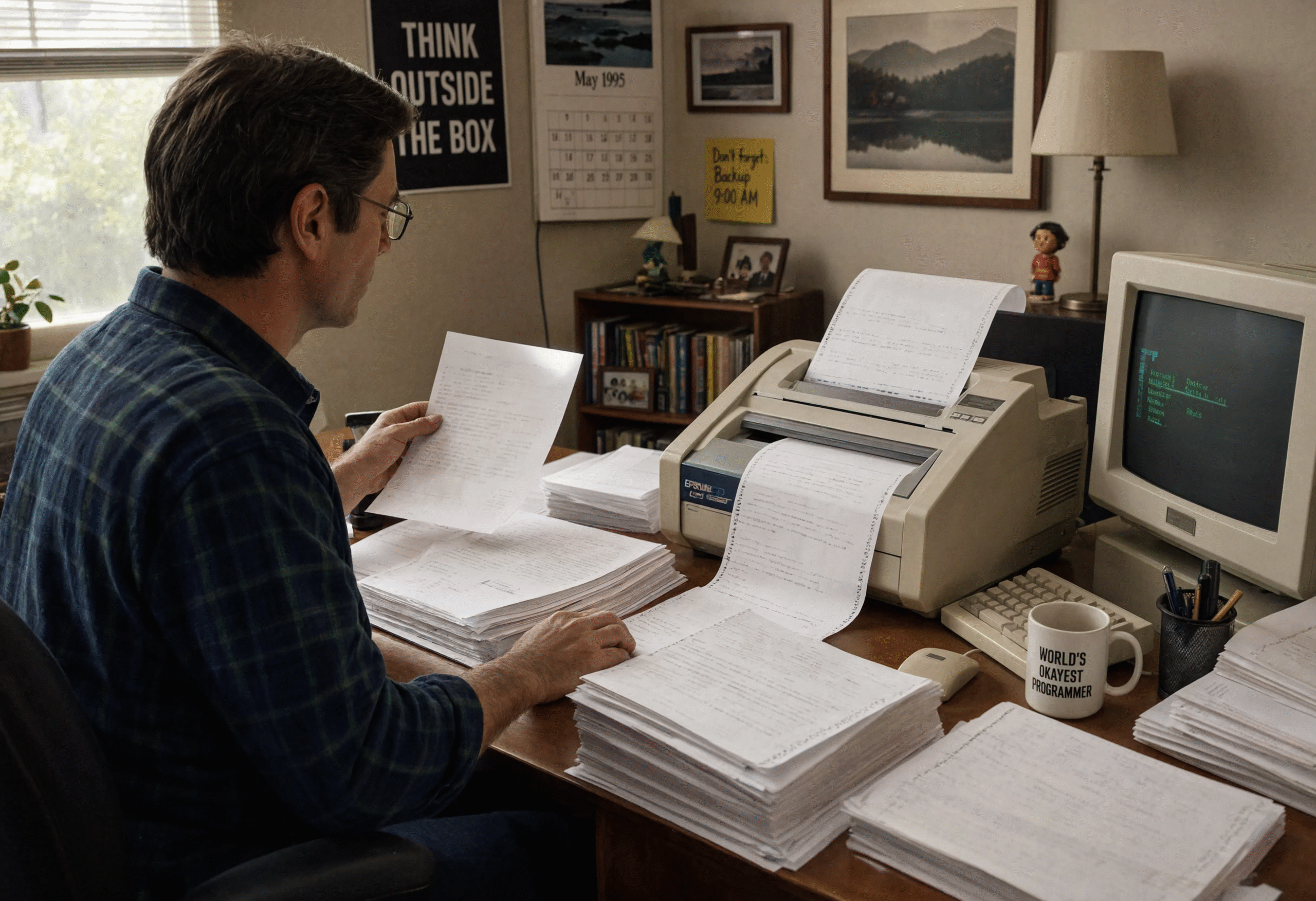
35. Printing Every Email
Some people printed emails because digital communication was still new.
Today, printing an email feels unnecessary.
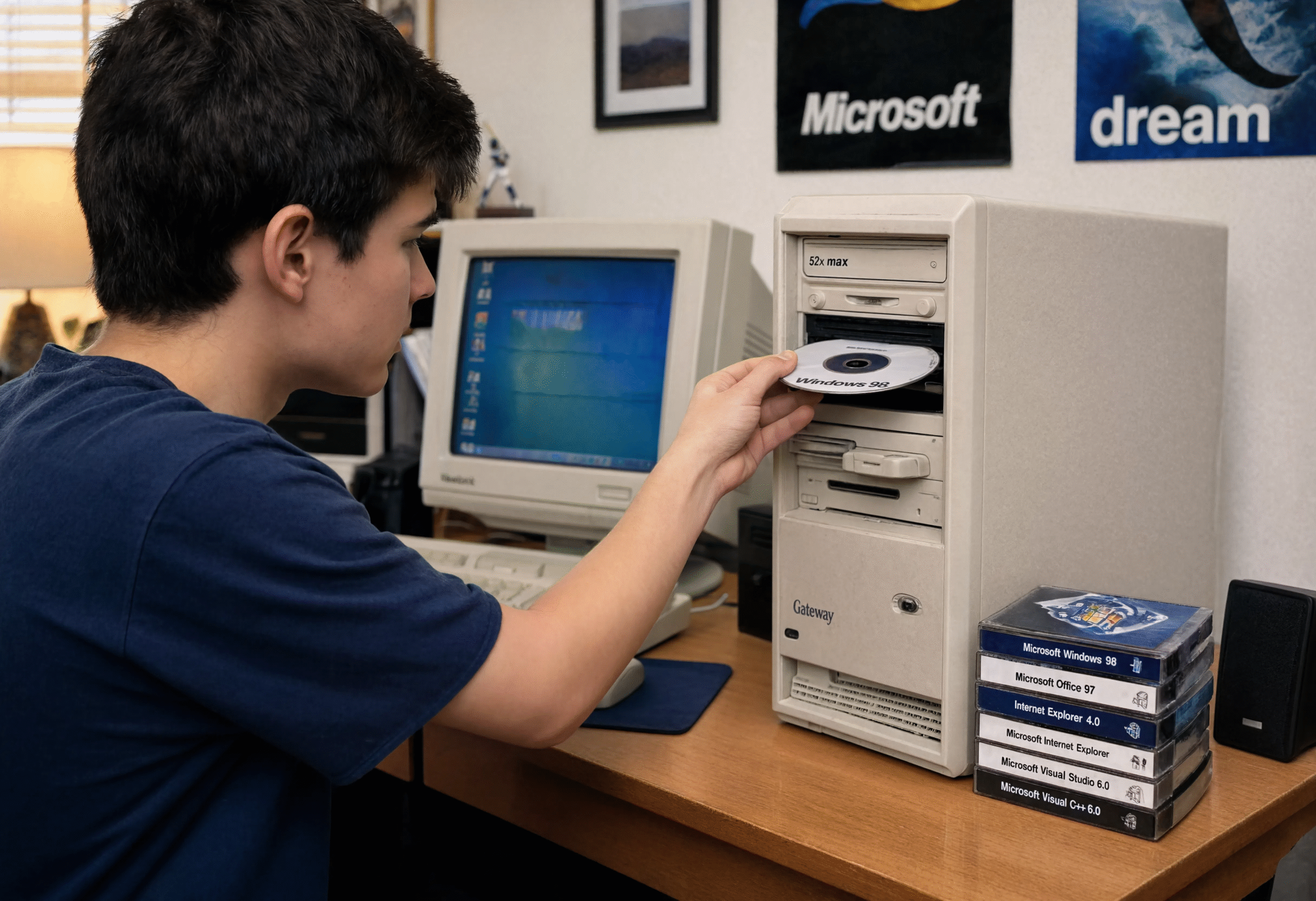
36. Using CDs for Software Installation
Programs came on physical discs.
Installing software meant finding the right CD and entering product keys.
Today, most software is downloaded.
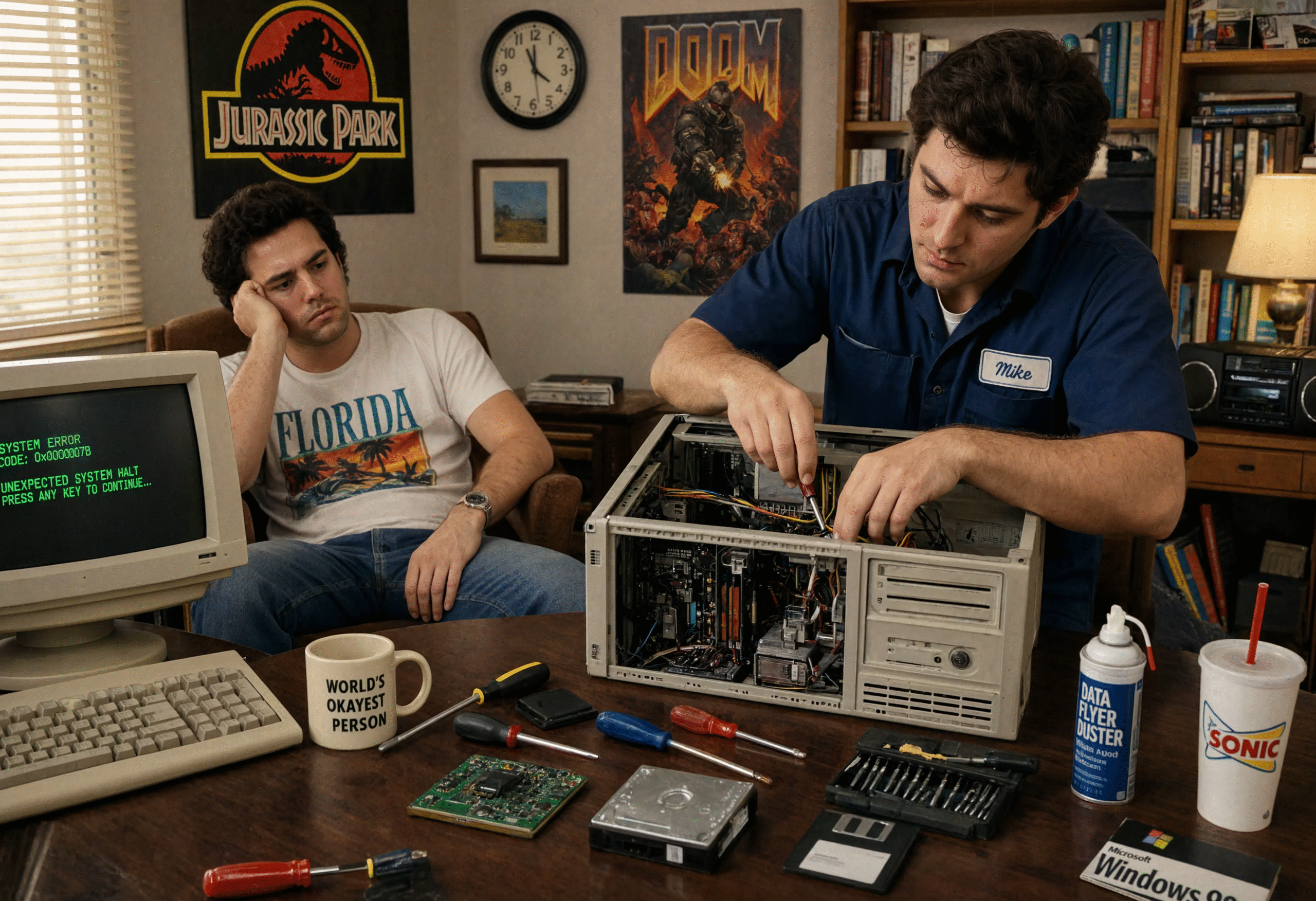
37. Waiting for a Computer Repair Person
Fixing technology often required professional help.
Today, many problems can be solved through online tutorials.
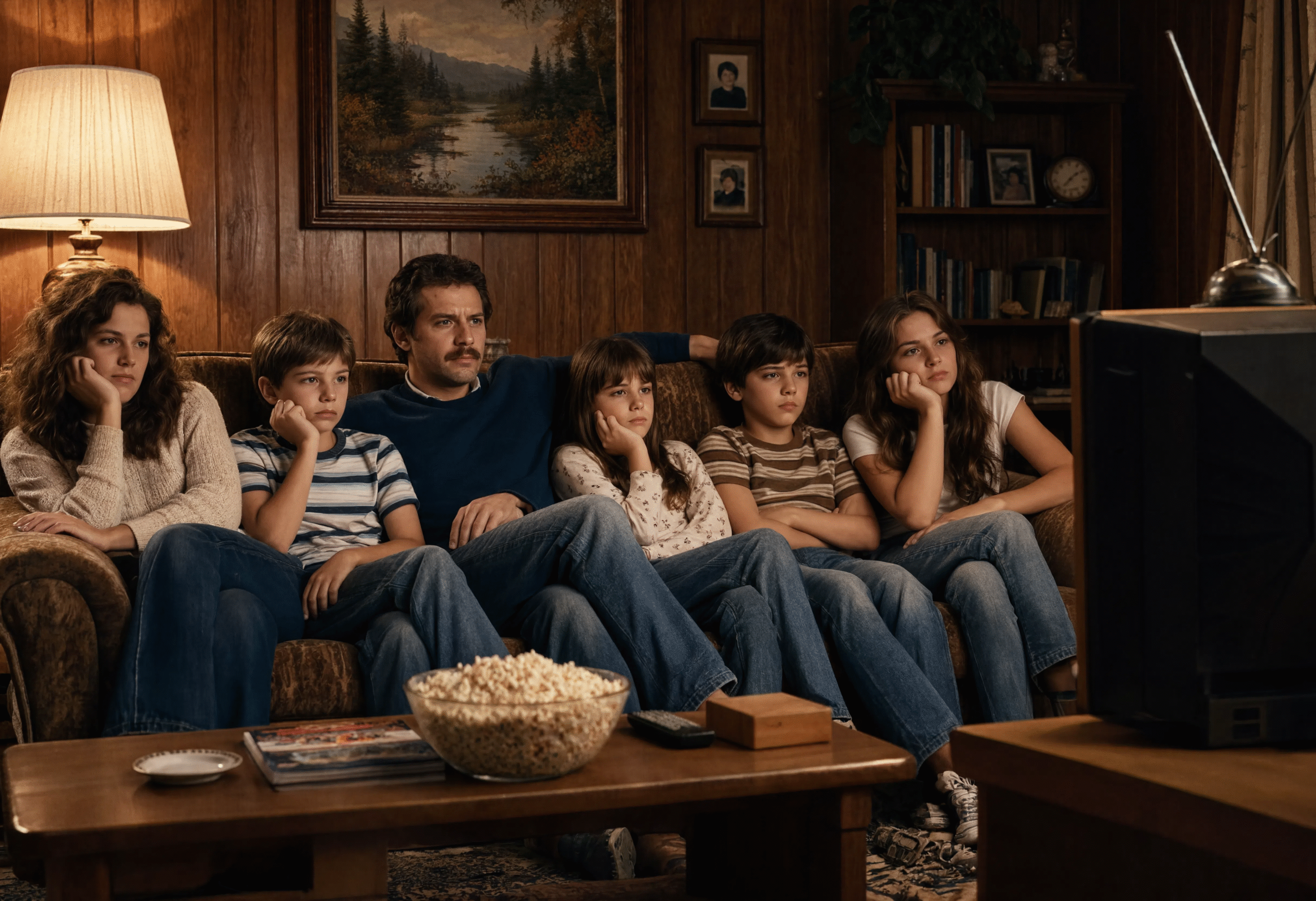
38. Sharing One TV With the Whole Family
Families gathered around one television.
Today, many people watch different shows on different devices.
39. Reading Magazine Subscriptions
People waited for monthly magazines to arrive.
Today, digital articles are updated constantly.
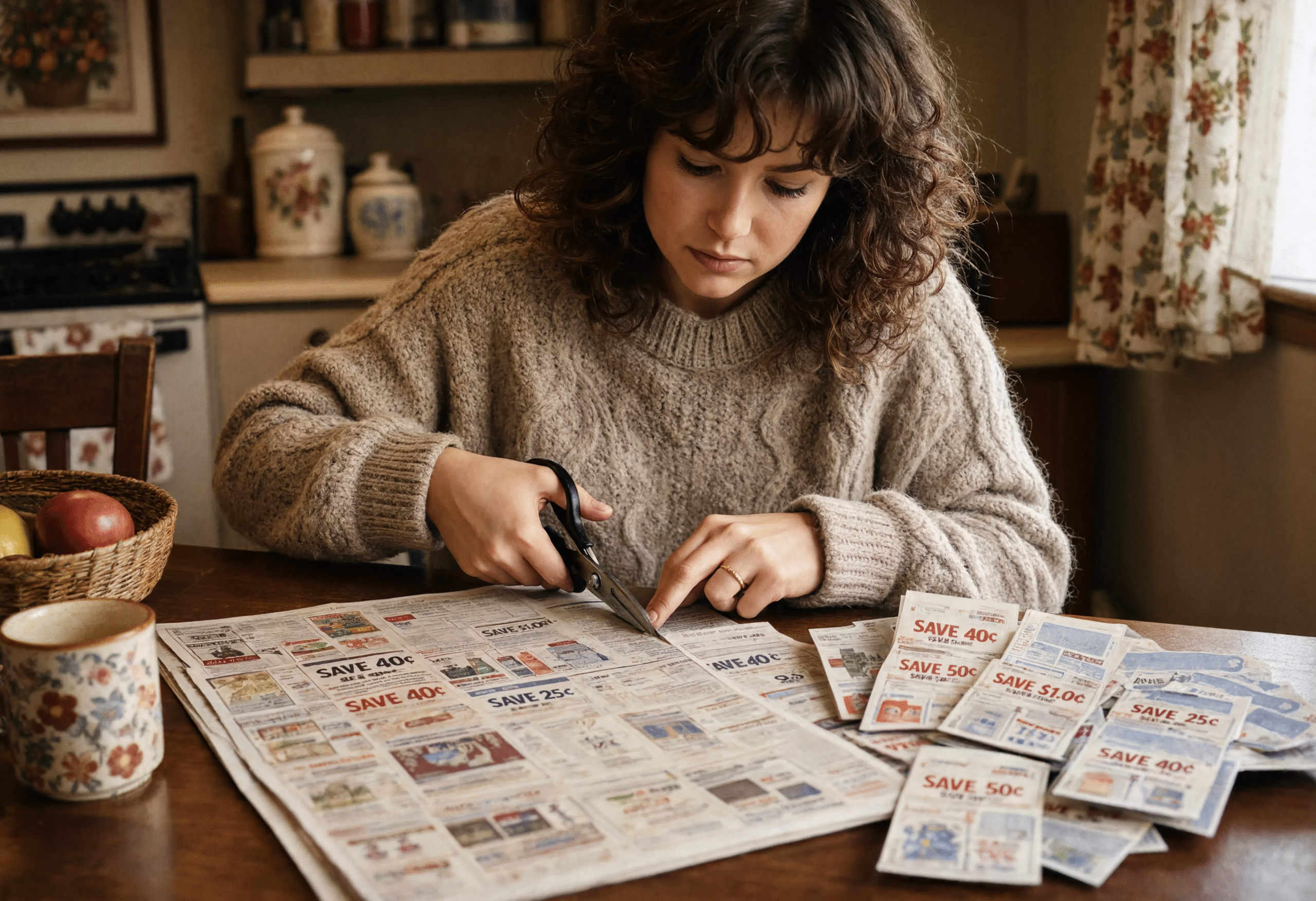
40. Using Physical Coupons
People cut coupons from newspapers.
Today, discounts often appear digitally.
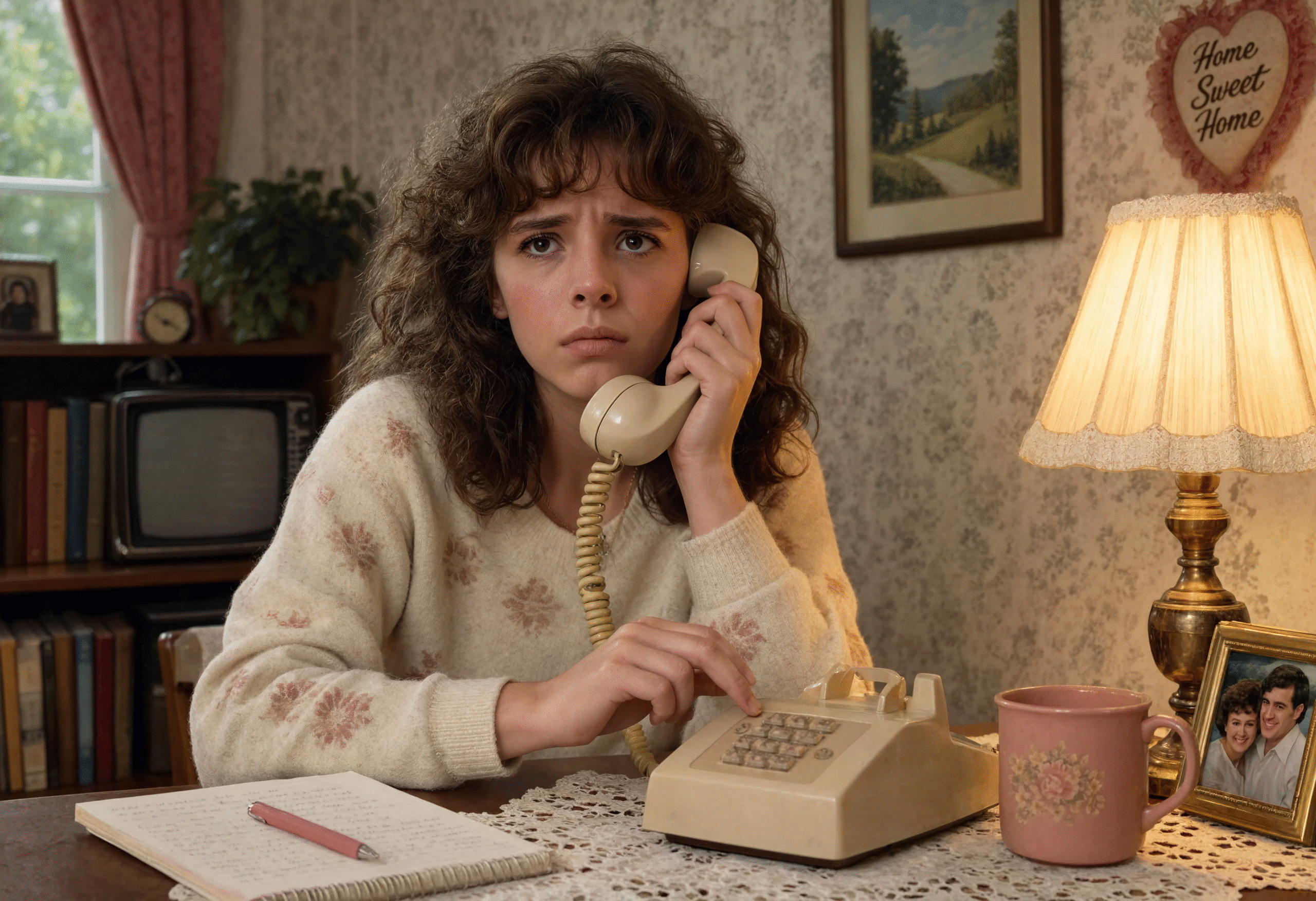
41. Calling Someone Without Knowing If They Were Available
There was no status indicator.
You simply called and hoped they answered.
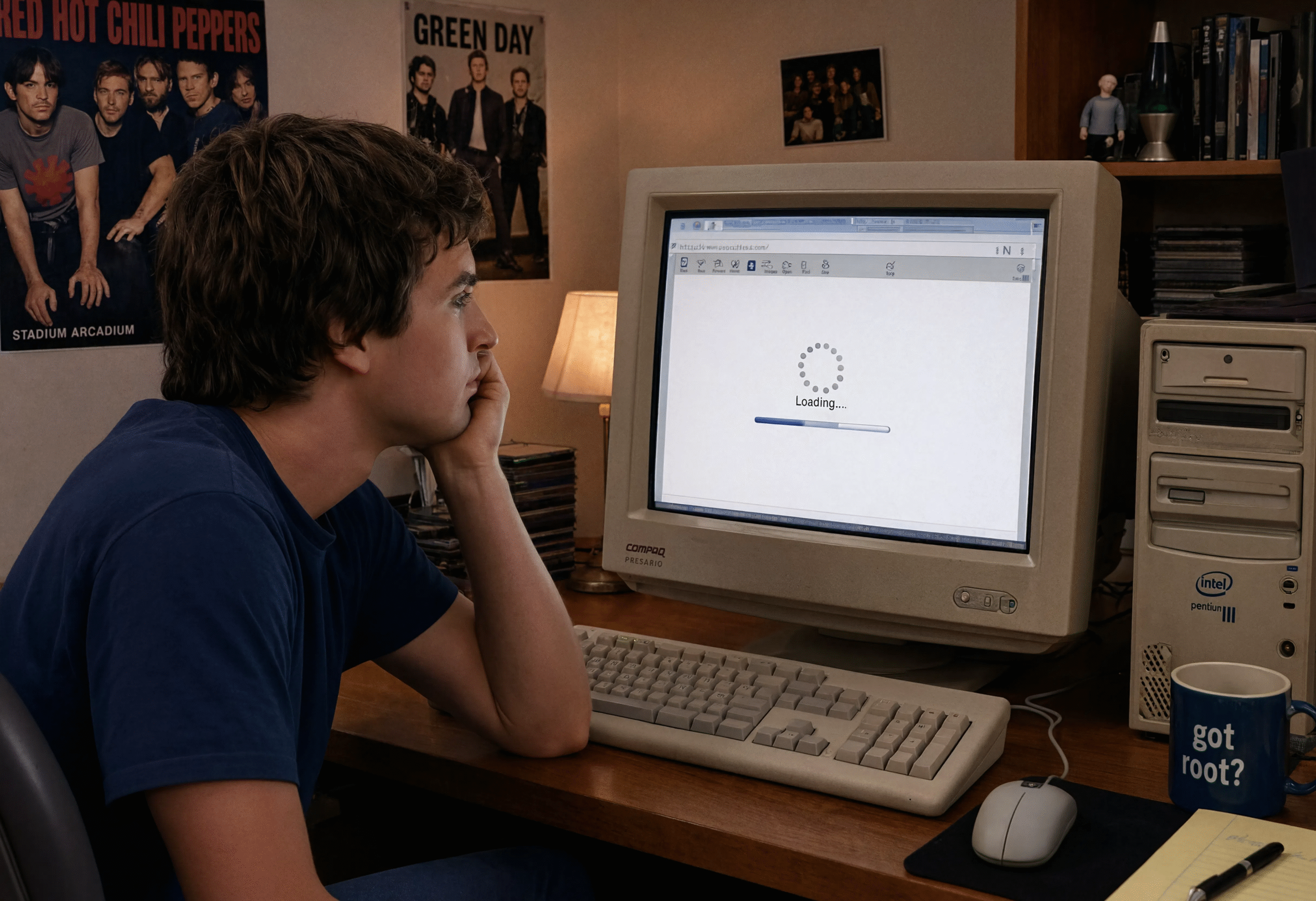
42. Waiting for a Website to Load
Slow websites were normal.
People waited patiently while images slowly appeared.
43. Using a Dictionary to Check Spelling
Spell check did not exist everywhere.
People manually checked words.

44. Watching Commercials During Every Show
Skipping ads was impossible.
Today, many services offer ad-free options.
45. Sending Invitations Through Mail
Events required printed invitations.
Today, many invitations are digital.

46. Taking Notes With Pen and Paper
Many people now use digital notes instead.

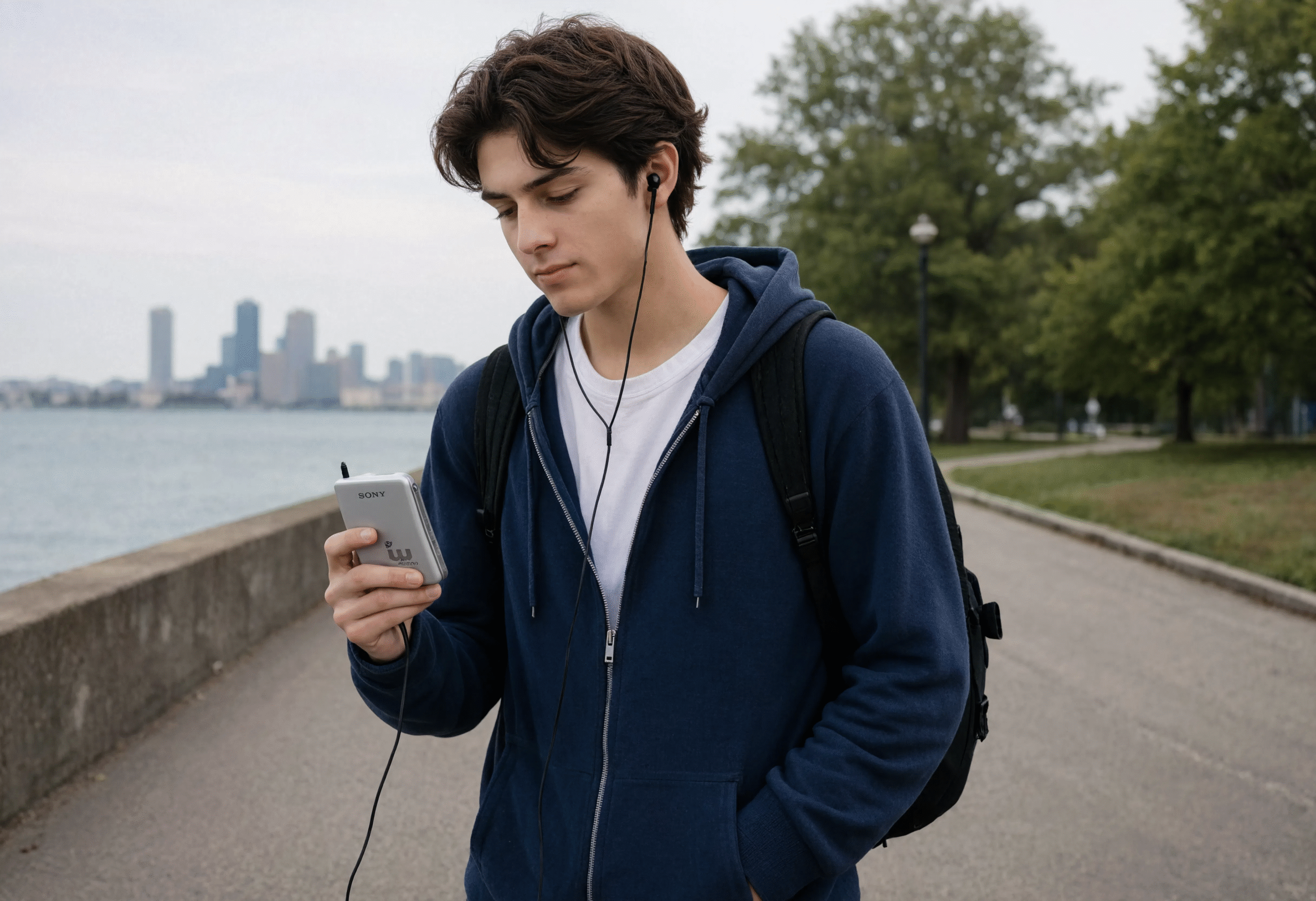
47. Using a Separate Music Player
Devices like Walkmans and MP3 players were common.
Today, phones handle everything.
48. Shopping Without Reading Reviews
People depended on advertisements and recommendations.
Today, millions of reviews influence purchases.

49. Asking Someone for Directions
Before GPS, strangers were often the navigation system.
Today, asking for directions is much less common.

50. Being Completely Disconnected
Perhaps the biggest difference:
Thirty years ago, people could leave home without being reachable.
No notifications.
No emails.
No social media.
Today, being offline feels unusual.
The World Changed Faster Than Anyone Expected
Many things that felt completely normal only a few decades ago now seem unusual. Technology has transformed how people communicate, travel, work, and entertain themselves.
The interesting question is not only what disappeared from the past – but what everyday things we use today will seem strange 30 years from now.