




A year ago, I was paying for a gym membership I barely used. Between commuting, waiting for equipment, and trying to squeeze workouts into a busy schedule, it just wasn’t working.
So I decided to try something different: build a home gym on a tight budget-without sacrificing quality.
The goal? Keep it under $500.
I’ll be honest-I didn’t think it would turn out this well. But after a bit of research, smart planning, and sourcing affordable equipment (a lot of it from Costway), I ended up with a setup that covers strength training, cardio, and flexibility-all from home.
Here’s exactly how I did it.
Step 1: Define What You Actually Need (Not What Looks Cool)
Before buying anything, I asked myself a simple question:
“What workouts will I realistically stick to?”
It’s easy to get carried away with fancy machines, but most people only need a few basics:
- Strength training (weights or resistance)
- Cardio (optional but helpful)
- A comfortable workout space
That’s it.
By focusing on essentials instead of aesthetics, I avoided wasting money-and stayed within budget.
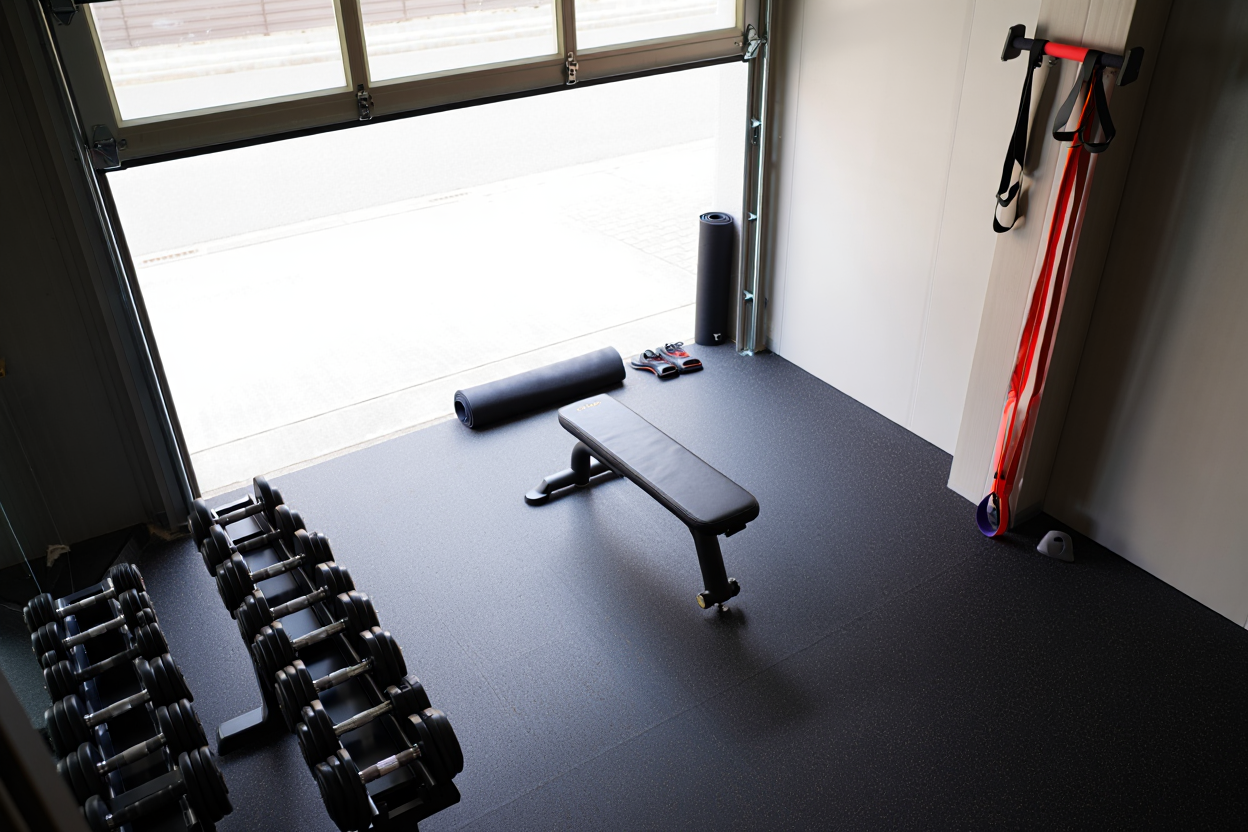
Step 2: Start With a Solid Foundation (Workout Bench + Weights)
The core of my home gym is a simple combination:
Adjustable bench + dumbbells
This setup alone lets you do:
- Chest presses
- Shoulder presses
- Rows
- Lunges
- Core exercises
I found a compact adjustable bench that folds easily (perfect for small spaces), along with a set of adjustable dumbbells that don’t take up much room.
What surprised me most was how affordable these basics are if you look in the right places. I came across several budget-friendly options on Costway that didn’t feel “cheap” at all-sturdy frames, decent padding, and good weight variety.
Tip: Adjustable dumbbells save both money and space compared to full racks.
Step 3: Add Resistance Bands for Versatility
If there’s one underrated piece of equipment, it’s resistance bands.
They’re:
- Cheap
- Lightweight
- Extremely versatile
You can use them for:
- Warm-ups
- Strength training
- Mobility work
- Rehab exercises
I grabbed a multi-band set (handles + door anchor), and it instantly expanded my workout options.
On days when I don’t feel like lifting heavy, bands give me a low-impact alternative without skipping the workout entirely.
Step 4: Don’t Skip Cardio (Even on a Budget)
Cardio equipment can get expensive fast-but it doesn’t have to.
Instead of going all-in on a treadmill, I looked for compact, budget-friendly options.
I ended up choosing a simple solution:
- A jump rope
- A foldable exercise bike
The bike, in particular, was a great find. I didn’t need anything high-end-just something stable, quiet, and easy to store. Costway had a few surprisingly affordable options that checked all the boxes.
Now I can:
- Do quick 15-minute sessions
- Warm up before lifting
- Stay consistent without leaving home
Step 5: Create a Dedicated Space (Even If It’s Small)
You don’t need a full room to build a home gym.
I set mine up in a small corner of my apartment.
Here’s what made a big difference:
- A non-slip workout mat
- Basic storage rack for equipment
- Keeping everything organized and accessible
One thing I learned quickly: if your setup is easy to use, you’re much more likely to stick with it.
Costway actually has a lot of compact storage solutions and mats that fit perfectly in smaller living spaces, which helped keep everything clean and clutter-free.
Step 6: Focus on Multi-Use Equipment
When you’re working with a tight budget, every item needs to earn its place.
That’s why I prioritized equipment that can do multiple things:
- Adjustable bench (flat, incline, decline)
- Dumbbells (full-body workouts)
- Resistance bands (dozens of variations)
This approach helped me avoid buying unnecessary machines.
Instead of filling my space with bulky equipment, I built a flexible setup that adapts to different workouts.
Step 7: Track the Budget (Here’s My Breakdown)
Here’s roughly how my $500 budget was spent:
- Adjustable bench: ~$100
- Dumbbells: ~$150
- Resistance bands: ~$30
- Exercise bike: ~$150
- Mat + accessories: ~$50
Total: Around $480
Prices can vary, but sticking to affordable retailers like Costway made it possible to stay within budget without compromising too much on quality.
Step 8: Build a Routine (So It Doesn’t Go to Waste)
Having equipment is one thing-using it consistently is another.
What worked for me:
- Short workouts (20–40 minutes)
- Simple split (upper body / lower body / cardio)
- No overcomplication
Example weekly plan:
- Monday: Upper body
- Wednesday: Lower body
- Friday: Full body
- Weekend: Light cardio or rest
Because everything is at home, there are no excuses. No commute. No waiting. No friction.
Step 9: What I’d Do Differently
If I started over, I would:
- Skip overthinking in the beginning
- Buy multi-use equipment sooner
- Focus less on “perfect” and more on “usable”
The biggest mistake people make is waiting until they can afford a dream setup.
You don’t need that.
You just need something that works.
Final Thoughts: Is a $500 Home Gym Worth It?
Absolutely.
For less than the cost of a yearly gym membership, I now have:
- Full workout flexibility
- Zero commute
- Equipment I actually use
And the best part? It fits my lifestyle.
If you’re considering building your own setup, start small, focus on essentials, and look for affordable, reliable sources like Costway to stretch your budget further.
You don’t need thousands of dollars or a dedicated room.
Just a plan-and a willingness to start.
Ready to Build Yours?
If you’re thinking about putting together your own home gym, take a look at the kind of compact, budget-friendly equipment available on Costway. You might be surprised how far your budget can go.
Start simple. Stay consistent. Upgrade later.
That’s what worked for me-and it might work for you too.