







“Your credit score speaks even when you don’t.”
Imagine this: You pay all your bills on time. You drive safely every day. You even park in well-lit areas at night. Yet, your insurance bill is higher than your friend’s. You wonder why. Could your credit score be the reason? Many people are surprised to learn how closely these two things are linked. Understanding this connection can save you money and stress.
What Is a Credit Score?
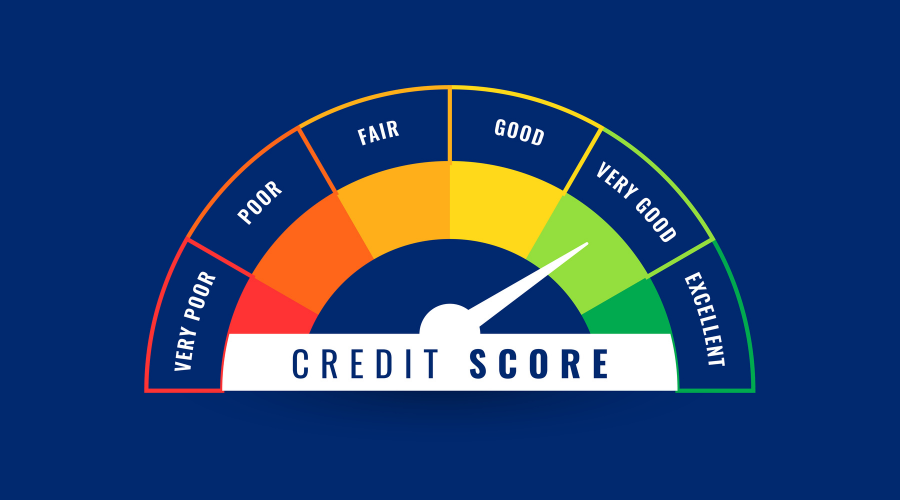
A credit score is a simple number. It shows how well you manage money. Scores usually range from 300 to 850. The higher your score, the better your financial health looks to lenders and insurers.
Think of it like a report card for your money habits. Paying bills on time, keeping balances low, and managing credit wisely all help raise your score. On the other hand, missed payments or maxed-out credit cards can lower it.
Factors That Shape Your Credit Score
- Payment history – Timely payments improve your score. Missed payments lower it.
- Credit usage – Using too much of your available credit can reduce your score.
- Account age – Older accounts show experience and responsibility.
- New credit requests – Opening too many accounts too quickly can be risky.
Question to consider: Does your credit score reflect your real spending habits, or just past mistakes?
What Is an Insurance Premium?
An insurance premium is the amount you pay for coverage. It can be monthly, quarterly, or yearly. Paying your premium keeps you protected in case of accidents, theft, or damage.
Think of it like a safety net. The better your credit, the smaller that net might need to be. The worse your credit, the more it could cost to stay covered.
The Link Between Credit Scores and Insurance
Insurance is all about risk. Companies want to know how likely you are to file a claim. Credit scores show patterns of financial behavior. Insurers use this data to predict your risk.
Fact: Studies show people with lower credit scores are more likely to file claims.
This doesn’t mean insurers judge your character. They simply use past patterns to estimate future risk. A lower score may suggest financial instability, which can correlate with more frequent claims.
Question for you: Should your money habits affect your insurance bill?
How Credit Scores Influence Your Insurance Premiums
Not every insurer uses credit scores, but many do. This is especially true for auto and home insurance.
Here’s how it works:
- Higher credit scores usually mean lower premiums.
- Lower credit scores can lead to higher premiums.
Fact: Poor credit scores can raise premiums by 20–50%.
Even a small difference in scores can add up to hundreds of dollars each year. That can make a big impact on your monthly budget.
Which Types of Insurance Are Affected?
Credit scores matter more for some insurance types than others.
- Auto insurance – Most commonly affected. Your score may influence your monthly payment.
- Homeowners insurance – Can also be influenced by credit.
- Renters insurance – Sometimes used, depending on the insurer.
Note: Health insurance usually does not consider credit scores. Life insurance may consider other financial factors instead.
Understanding which policies are affected can help you plan better and avoid surprises.
States That Limit Credit Use
Some states protect consumers from credit-based insurance rates.
- California
- Hawaii
- Massachusetts
These laws prevent insurers from using credit scores as a major factor in premium calculation.
Fact: Rules vary widely by state.
If you live in a state with restrictions, your credit may have little or no impact. If not, it can be a significant factor.
Real-Life Impact: Good Credit vs. Bad Credit
Imagine two drivers. Both are 30 years old. Both drive similar cars. Both have clean driving records.
- The driver with excellent credit pays less.
- The driver with poor credit pays more.
Even if both are equally responsible drivers, their bills could differ significantly. Over time, this difference adds up to hundreds or even thousands of dollars.
Question: Is it fair that financial habits influence insurance costs? Many people find this surprising.
How to Protect Yourself From High Premiums
You can take steps to reduce the impact of your credit score on your insurance premiums.
- Pay bills on time – Even small payments count.
- Keep credit balances low – Avoid maxing out cards.
- Check credit reports yearly – Correct errors quickly.
- Shop around – Different insurers weigh credit differently.
Fact: You can get a free credit report every year.
Being proactive can save you hundreds of dollars over time.
How Long Does It Take to Improve Your Credit?
Improving your score is a gradual process.
- Positive changes show over months, not days.
- Paying consistently and reducing debt builds progress.
- Small wins matter and add up over time.
Even a small increase in your credit score can lower insurance costs and give you more control over your finances.
Can You Get Insurance With Poor Credit?
Yes. Your options depend on your state and insurer.
- Shop around – Rates vary widely, so compare.
- Ask about discounts – Bundling policies can help.
- Improve your credit – Even a modest improvement can help.
Question: Would you start improving your credit today to save hundreds?
Is the System Fair?
Some people feel it’s unfair. Should financial habits affect insurance costs? Others argue that it helps insurers predict risk.
Credit scores don’t judge character. They measure patterns. Understanding this system helps you take control and avoid surprises.
Conclusion: Take Control of Your Insurance Costs
“Small financial habits shape big outcomes.”
Credit scores affect more than loans. They can influence your insurance premiums, too. Awareness about the right firm, like State Farm, gives you power. Start small. Check your score. Pay bills on time. Ask questions. Over time, your habits can save you real money.
Remember: Understanding your credit is the first step toward smarter insurance decisions. Being informed today helps you avoid unnecessary costs tomorrow.