

In today’s online shopping world, you have countless options at your fingertips. From electronics and home goods to fashion and collectibles, deciding where to make a purchase can be tricky. Among the most popular marketplaces, Amazon and eBay stand out, but there are also other options like Walmart, Target, and specialized niche stores. This guide will help you understand which platform is best for different types of products, saving you money and time.
1. Electronics and Gadgets
Amazon: Amazon has long been the go-to marketplace for electronics. From smartphones and laptops to smart home devices, Amazon offers fast shipping (especially with Prime) and a vast selection of both big brands and lesser-known options. Amazon’s review system also provides transparency, letting shoppers read hundreds of verified reviews before buying.
- Pros: Fast delivery, wide variety, often lowest prices, reliable returns.
- Cons: Some products may be sold by third-party sellers with inconsistent quality.
eBay: eBay is excellent for electronics, especially if you are looking for used, refurbished, or hard-to-find items. For example, rare vintage cameras, discontinued gaming consoles, or collector electronics are often cheaper here. You can also bid in auctions, which can sometimes land you a bargain.
- Pros: Deals on used or rare electronics, bidding can save money.
- Cons: Shipping times vary, seller reliability may be inconsistent, buyer protection required for peace of mind.
Other marketplaces: Sites like Newegg specialize in electronics and computer parts. If you are a PC builder or looking for specific tech products, these niche marketplaces may offer better specs at competitive prices, sometimes paired with expert reviews.
Verdict: For new mainstream electronics, Amazon is hard to beat. For vintage, discontinued, or collectible electronics, eBay is a goldmine. Specialty marketplaces are best if you know exactly what you want.

2. Fashion and Clothing
Amazon: Amazon’s fashion section has improved dramatically in recent years. You can find everything from casual wear to branded sneakers. The Prime Wardrobe feature even allows you to try before buying, which is a huge advantage.
- Pros: Fast shipping, easy returns, huge variety.
- Cons: Sizing inconsistency, some brands only available through third-party sellers.
eBay: eBay shines for vintage fashion, limited editions, and second-hand clothing. Many shoppers turn to eBay to find designer items at discounted prices, especially handbags and sneakers.
- Pros: Affordable vintage and designer options, auction-style pricing can save money.
- Cons: Quality varies, sizing and authenticity checks are critical.
Other marketplaces: Platforms like ASOS, Zara, or Farfetch offer curated fashion collections. These sites often have exclusive collections and seasonal sales, which Amazon and eBay may not carry.
Verdict: For everyday clothing and fast shipping, Amazon works well. For rare or designer pieces, eBay is better. Niche fashion stores are best for trend-focused shoppers seeking exclusivity.

3. Home & Kitchen Products
Amazon: Amazon is the king of home and kitchen appliances. From Instant Pots and blenders to bedding and furniture, the variety is immense. Customer reviews help buyers make informed choices, and shipping is usually fast.
- Pros: Large selection, competitive prices, fast delivery.
- Cons: Third-party seller quality may vary.
eBay: eBay can be great for antique furniture, collectibles, and discontinued home items. For example, vintage kitchenware or rare decorative items often appear here.
- Pros: Unique finds, vintage products, sometimes better deals.
- Cons: Longer shipping times, condition must be verified, returns are more complex.
Other marketplaces: Wayfair, Overstock, and Target specialize in furniture, décor, and home essentials. These stores often have better return policies for bulky items, and curated collections that Amazon’s marketplace can’t replicate.
Verdict: Amazon is convenient for most modern home essentials. eBay is better for antiques and collectibles, while specialty sites like Wayfair are best for furniture shopping.

4. Toys and Games
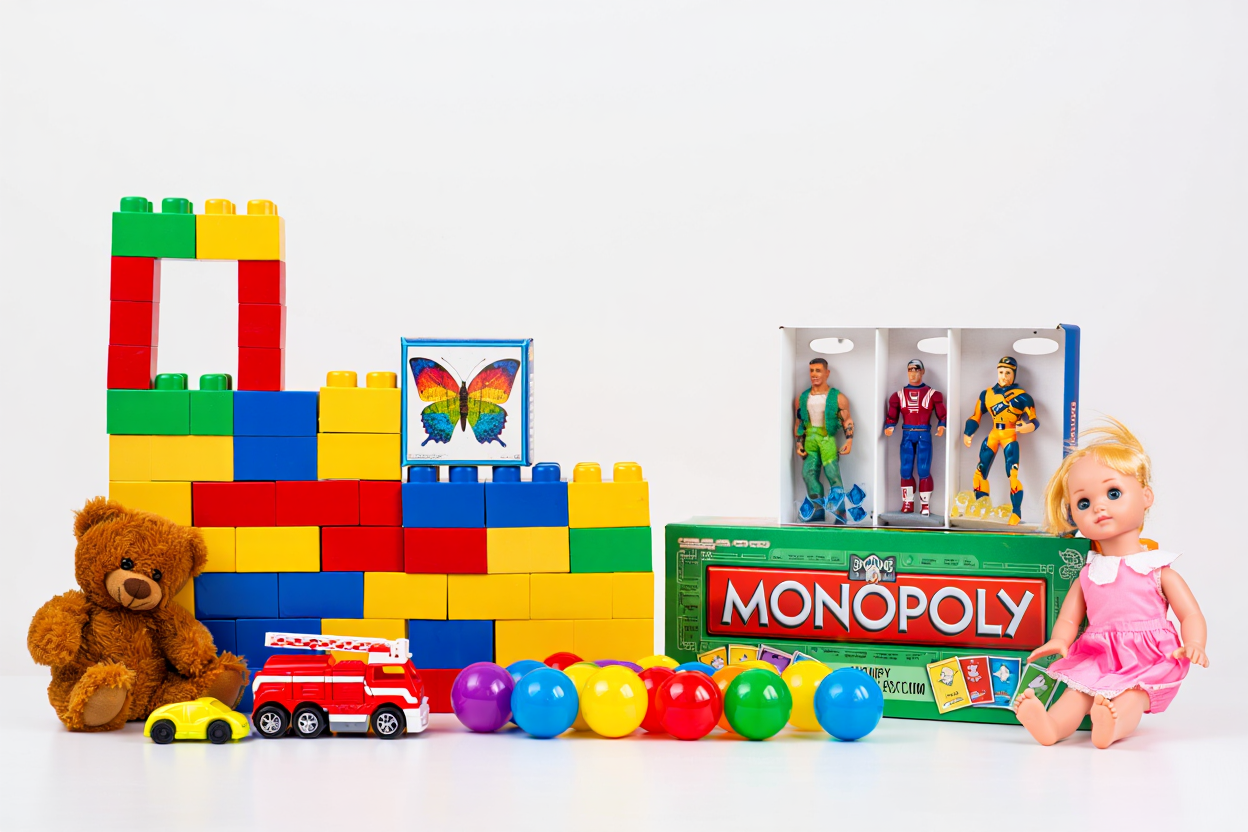
Amazon: Amazon is a top destination for toys, board games, and video games. Seasonal promotions and fast shipping make it ideal for parents who need gifts quickly. Many products are eligible for Prime, which ensures timely delivery.
- Pros: Huge selection, reliable shipping, competitive pricing.
- Cons: Oversaturated listings make it hard to spot the best deals.
eBay: eBay is unmatched for rare collectible toys, vintage board games, or limited-edition video games. If you’re a collector or looking for discontinued items, eBay often has the only available stock.
- Pros: Rare collectibles, potential bargains via auctions.
- Cons: Used items may be worn, auction risk, shipping uncertainty.
Other marketplaces: Retailers like Walmart, Target, and GameStop offer online shopping with instant price matching, store pickup, and seasonal discounts, which can sometimes beat Amazon or eBay deals.
Verdict: For everyday toys and games, Amazon wins for convenience. For collectors, eBay is a must. Retailers like Walmart and Target are ideal for a mix of availability and in-person convenience.
5. Books and Media
Amazon: Amazon started as a bookstore and still dominates in books, e-books (Kindle), and audiobooks. Prime members enjoy fast shipping, and Kindle books are instantly accessible.
- Pros: Fast delivery, huge catalog, digital options available.
- Cons: Physical book pricing is sometimes higher than second-hand options.
eBay: eBay is excellent for out-of-print books, rare editions, or second-hand textbooks. Prices can be very competitive, especially for used books.
- Pros: Affordable used books, rare editions.
- Cons: Shipping may take longer, condition varies.
Other marketplaces: Platforms like Book Depository offer free international shipping, and Barnes & Noble provides curated collections with membership discounts.
Verdict: For the latest releases and digital options, Amazon is unbeatable. For rare or cheap used books, eBay is best.

6. Advantages of Shopping Across Multiple Marketplaces
- Price comparison: Checking Amazon, eBay, and other sites ensures you get the best deal.
- Product variety: Some marketplaces have exclusive products.
- Buyer protections: Amazon has easy returns, eBay offers buyer protection, and specialty sites often provide warranties.
- Unique finds: eBay and niche marketplaces often carry collectibles, vintage, or limited editions.
Tip: Use cashback or coupon sites when buying online to stack savings on top of marketplace deals. This can significantly reduce costs, especially on bigger purchases.
Conclusion
Choosing between Amazon, eBay, and other marketplaces depends on what you are buying, how quickly you need it, and whether you are looking for new, used, or rare items.
- Amazon: Best for convenience, new products, and fast shipping.
- eBay: Best for collectibles, vintage items, and auction bargains.
- Other marketplaces: Best for niche, specialty, or curated items with specific quality standards.
When shopping online, the key is to compare prices, check seller reliability, and understand return policies. By combining the strengths of multiple marketplaces, you can get the best deals, the widest selection, and peace of mind in your purchases.
Whether you’re buying electronics, fashion, home goods, or collectibles, there’s a marketplace that’s perfect for your needs—sometimes more than one. Happy shopping!