Is Roadside Assistance Worth It? What Every Driver Should Know Before They Need a Tow
Most drivers don’t think about roadside assistance until they’re stranded on the side of the road. A dead battery before work. A flat tire on the highway. Keys locked inside the car. Running out of fuel miles from the nearest gas station. These situations are stressful enough without also wondering who to call-or how much […]

Most drivers don’t think about roadside assistance until they’re stranded on the side of the road.
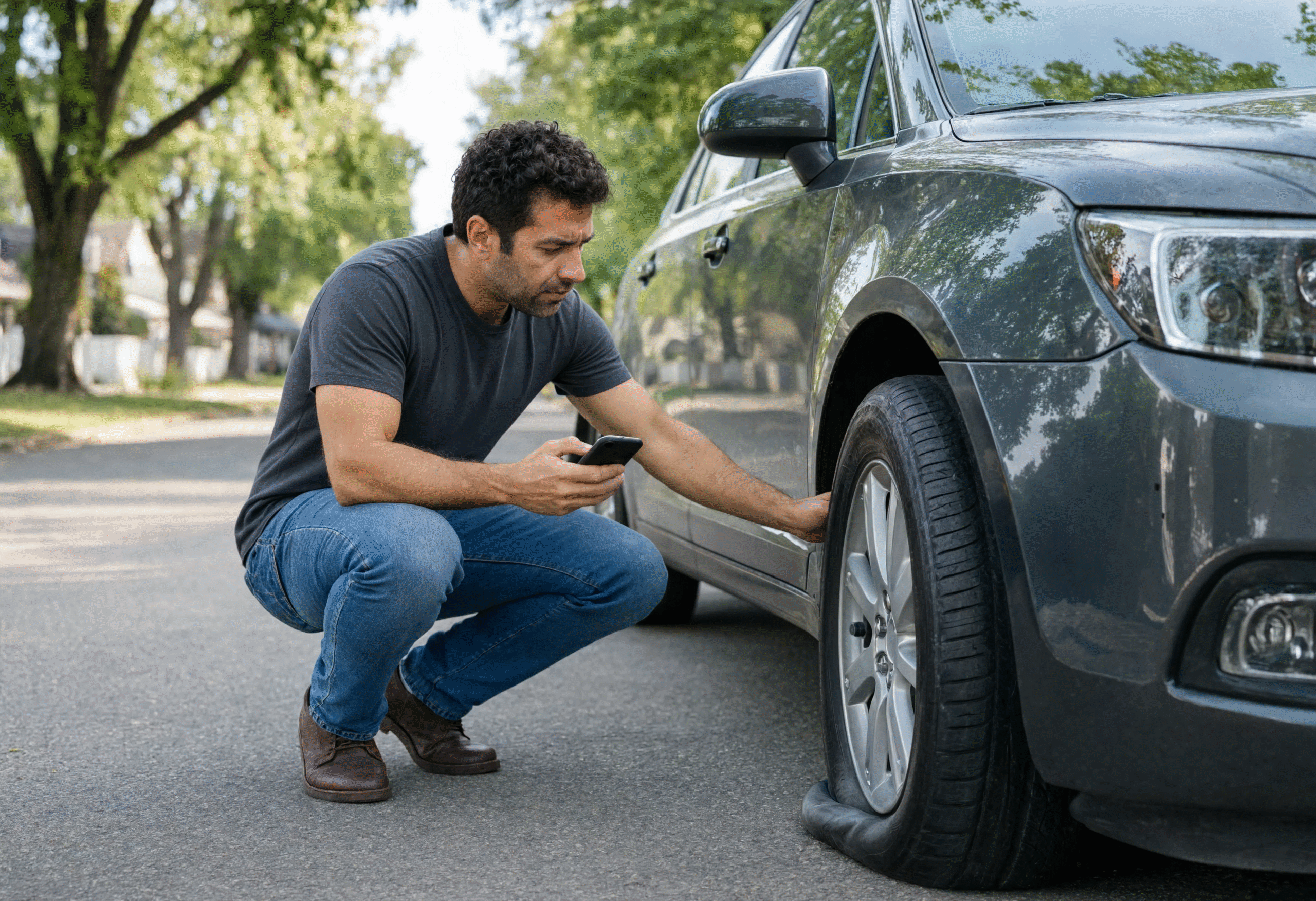
A dead battery before work. A flat tire on the highway. Keys locked inside the car. Running out of fuel miles from the nearest gas station.
These situations are stressful enough without also wondering who to call-or how much it will cost.
That’s why many drivers choose to have a roadside assistance plan in place before an emergency happens. But is it worth paying for? Here’s what you should know before deciding.
What Is Roadside Assistance?
Roadside assistance is a service designed to help drivers when their vehicle becomes disabled or can’t be driven safely.
While coverage varies by provider and plan, roadside assistance often includes services such as:
- Towing
- Battery jump-starts
- Flat tire assistance
- Lockout service
- Fuel delivery
- Winching (where available)
Instead of searching for a local towing company during an emergency, members typically contact their roadside assistance provider, which coordinates help.
Common Situations Where Drivers Use Roadside Assistance
Many people assume roadside assistance is only useful after a major breakdown.
In reality, some of the most common calls are for relatively simple problems.
Dead Battery
Leaving your headlights on overnight or dealing with an aging battery can leave your vehicle unable to start.
A jump-start service can often get you back on the road quickly.
Flat Tire
Changing a tire isn’t always practical-or safe-especially if you’re on a busy highway or don’t have the proper tools.
Roadside assistance can help replace your flat tire with your spare when possible.
Locked Keys Inside the Vehicle
Locking your keys in the car happens more often than most drivers would like to admit.
A roadside assistance plan may include lockout service, helping you regain access without having to find a locksmith yourself.
Running Out of Gas
Even careful drivers occasionally misjudge how much fuel remains.
Many roadside assistance plans include fuel delivery, although you may need to pay for the fuel itself depending on your plan.
Vehicle Breakdown
Mechanical failures can happen without warning.
When your vehicle can’t be safely driven, towing assistance can help transport it to a repair facility.
How Much Does One Tow Cost?
One reason many drivers consider roadside assistance is the potential cost of paying for emergency services individually.
The cost of:
- A tow
- Emergency locksmith
- Battery service
- Tire assistance
can vary significantly depending on your location, distance, time of day, and service provider.
For drivers who experience even one covered roadside emergency, a membership may provide value—but the right choice depends on your individual circumstances and the terms of the plan.
What Should You Look for in a Roadside Assistance Plan?
Not every plan offers the same level of protection.
Before signing up, compare:
Towing Distance
Some plans include only a limited towing distance, while others offer longer-distance towing.
Service Limits
Check whether there are limits on the number of service calls allowed each year.
Covered Vehicles
Make sure the plan covers the vehicle-or vehicles-you intend to drive.
Response Availability
Look for providers that offer 24/7 roadside assistance so help is available day or night.
Additional Benefits
Some roadside assistance providers include extra services beyond emergency roadside help.
These may vary by provider and could include travel-related benefits or discounts.
Is Roadside Assistance Better Than Adding Coverage to Your Auto Insurance?
Many insurance companies offer roadside assistance as an optional add-on.
There are also standalone roadside assistance providers.
Which is better depends on your needs.
A standalone plan may offer different service features or limits, while an insurance add-on can be convenient if you prefer keeping everything under one policy.
Before choosing either option, compare:
- Cost
- Services included
- Towing limits
- Number of annual service calls
- Coverage restrictions
- Exclusions
Who Benefits Most From Roadside Assistance?
Roadside assistance may be especially useful if you:
- Drive long distances regularly
- Commute every day
- Own an older vehicle
- Travel with family
- Frequently drive at night
- Want help available during unexpected breakdowns
Even newer vehicles can experience flat tires, dead batteries, or lockouts, making roadside assistance relevant for a wide range of drivers.
Before You Choose a Plan
Ask yourself a few simple questions:
- How often do I drive?
- Would I know who to call during an emergency?
- Could I comfortably pay for a tow or emergency service out of pocket?
- What services are most important to me?
- Are there limits on towing distance or service calls?
The answers can help you decide whether a roadside assistance plan fits your driving habits.
Compare Your Options Before You Need Them
The best time to look for roadside assistance isn’t when you’re already waiting on the shoulder of the road.
Comparing plans in advance gives you time to review:
- Coverage details
- Included services
- Membership benefits
- Towing limits
- Pricing
- Eligibility requirements
That way, if an unexpected breakdown happens, you’ll already know who to call.
Explore Roadside Assistance Coverage Options
A few minutes spent comparing plans today could save you time, stress, and potentially significant out-of-pocket costs when the unexpected happens.
Why you can trust us
The Friday Journal compares lenders and services independently. We don't accept payment for favorable coverage, and our recommendations are based on cost, terms, and real-world fit. When you use our links we may earn a commission — it never changes what we recommend or where a product ranks.