






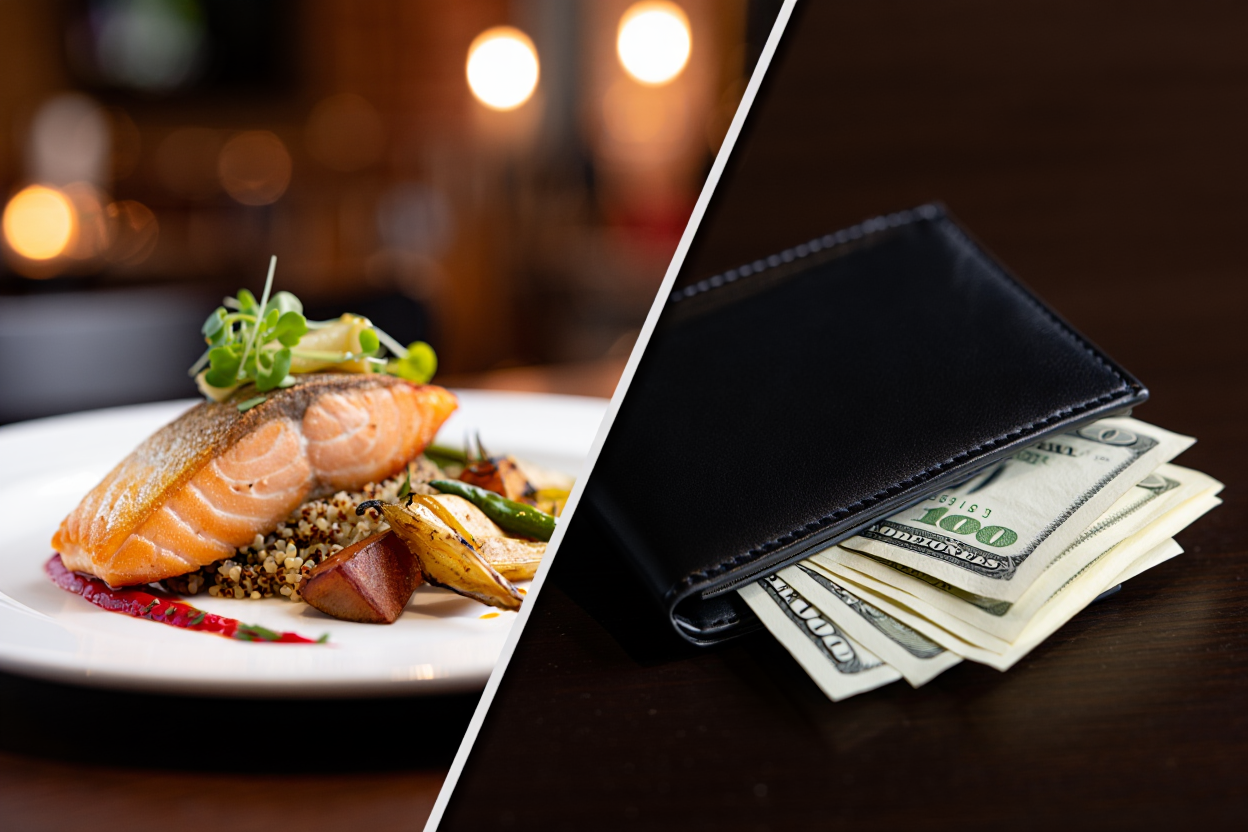
Eating out used to be one of my favorite ways to unwind. Whether it was a casual midweek dinner, a weekend brunch, or trying a new spot with friends, I loved the experience. But over time, something changed-the bill kept getting higher. Between rising menu prices, service fees, and tips, dining out started to feel more like a luxury than a regular treat.
I didn’t want to give it up completely, so I set myself a challenge: could I keep eating out while cutting my costs in half? What started as a small experiment turned into a surprisingly effective system-and the biggest game-changer was discovering Restaurant.com.
Here’s exactly how I did it, what worked, what didn’t, and how you can do the same.
The Problem: Dining Out Was Getting Out of Control
Let’s be honest-restaurant prices have climbed significantly. A simple dinner for two can easily hit $60–$80, and that’s without appetizers or drinks. Add delivery fees or premium menu items, and suddenly you’re spending over $100 without thinking twice.
I started noticing patterns:
- Casual meals weren’t so “casual” anymore
- Even budget-friendly places had higher minimum spends
- Eating out just twice a week added up to hundreds per month
I didn’t want to stop enjoying restaurants-but I knew I needed a smarter approach.
The Experiment: 30 Days of Smarter Dining
I decided to run a 30-day test with a clear goal:
Eat out as usual—but spend at least 40–50% less.
Here were my rules:
- No cutting back on how often I eat out
- No switching only to fast food
- Focus on real restaurants and experiences
- Actively look for deals before choosing where to eat
At first, I thought this would be difficult. But within the first week, I realized the key wasn’t sacrificing—it was being strategic.
The Discovery That Changed Everything
A few days into my experiment, I came across Restaurant.com-and it completely shifted my approach.
If you’ve never used it before, here’s the simple version:
It’s a platform where you can buy discounted dining certificates for local restaurants.
For example:
- Pay $10 → Get a $25 dining credit
- Pay $20 → Get a $50 dining credit
These deals apply to thousands of restaurants, from casual spots to hidden gems you might not have discovered otherwise.
At first, I was skeptical. But after trying it once, I realized how powerful it actually is.
Real-Life Savings: What It Actually Looks Like
Here are a few real scenarios from my 30-day experiment:
Dinner Night (Italian Restaurant)
- Total bill: $52
- Certificate used: $25 (paid ~$10)
- Final cost: ~$37
Savings: $15
Casual Lunch Spot
- Total bill: $28
- Certificate: $10 off
- Final cost: $18
Savings: $10
Sushi Dinner with a Friend
- Total bill: $68
- Certificate: $30 (paid ~$12)
- Final cost: ~$50
Savings: $18
By the end of the month, I had saved over 45% on average-without changing how often I ate out or what I ordered.
Why This Strategy Works So Well
The reason
is so effective comes down to a few things:
1. You Still Get the Full Experience
You’re not compromising on quality or atmosphere. These are real restaurants-not limited menus or “budget-only” options.
2. The Discounts Are Significant
This isn’t a small coupon-it’s often 40-60% savings, which adds up fast.
3. It Encourages Smarter Choices
Instead of randomly picking a restaurant, I started checking deals first-and often discovered better places in the process.
My Best Tips to Maximize Savings
After a full month of testing, I figured out a few tricks that made a big difference:
Check the Minimum Spend
Some certificates require a minimum bill (e.g., $50). Plan accordingly to get full value.
Stack with Other Deals
Combine your certificate with:
- Happy hour specials
- Lunch pricing
- Daily promotions
Try New Restaurants
Some of my favorite discoveries came from places I wouldn’t have tried otherwise.
Plan Ahead
Before heading out, I quickly check available offers nearby-it takes less than 2 minutes and can save a lot.
The Downsides (Honest Review)
No system is perfect, and it’s worth mentioning a few limitations:
- Restrictions apply (like minimum spend or dine-in only)
- Not every restaurant participates
- Some locations may have fewer options depending on your area
That said, once you understand how it works, these are easy to work around.
The Final Verdict: Is It Worth It?
After 30 days, the results were clear:
- I didn’t reduce how often I ate out
- I didn’t sacrifice quality or experience
- I saved nearly half of what I usually spend
Using Restaurant.com turned out to be one of the simplest and most effective ways to cut costs without changing my lifestyle.
Who Should Try This?
This approach works especially well if you:
- Eat out multiple times per week
- Enjoy trying new restaurants
- Want to save money without feeling restricted
- Are budgeting but still value experiences
Final Thoughts
Dining out doesn’t have to drain your wallet. With the right strategy, you can enjoy the same meals, the same atmosphere, and the same social experiences-just at a fraction of the cost.
For me, the combination of a simple mindset shift and using Restaurant.com made all the difference.
And the best part?
It didn’t feel like cutting back at all.