




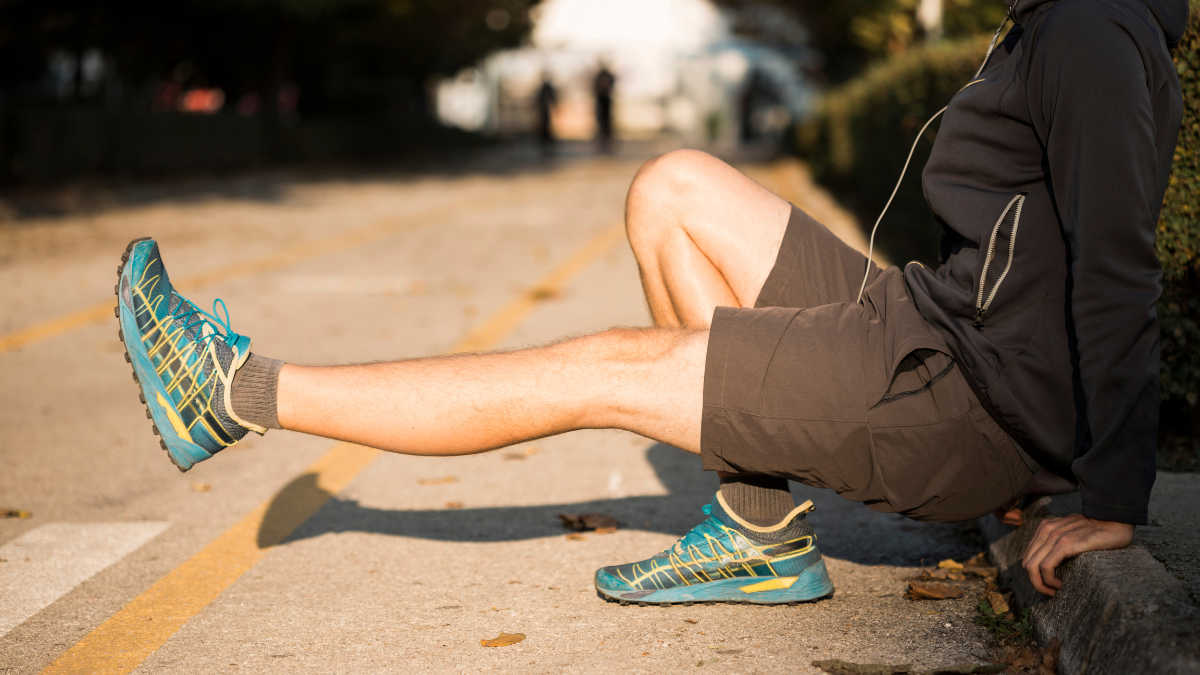
Choosing the right running or walking shoe can change everything. Proper shoes prevent injuries, improve performance, and make every step comfortable. Hoka is known for its cushioned and supportive shoes. They have models for running, trail adventures, and everyday wear.
Not all shoes are made the same. Your foot type determines which Hoka shoe fits best. Wearing the wrong shoe can cause pain or limit performance. In this guide, we will show you how to pick the perfect Hoka shoe for your foot type.
Understanding Foot Types
Before picking a shoe, it is important to know your foot type. There are three main types:
- Neutral feet – your weight is evenly distributed while walking or running.
- Overpronation – your feet roll inward, causing stress on your knees and hips.
- Underpronation (supination) – your feet roll outward, increasing impact on the outer foot.
A simple wet test can help identify your foot type. Wet your foot and step on a piece of paper or a surface to leave your footprint. A full footprint usually indicates overpronation, while a narrow footprint shows underpronation. Neutral feet leave a balanced print.
Hoka Shoes for Neutral Feet
Neutral feet let you wear shoes that prioritize comfort and cushioning. These shoes enhance your natural stride without extra support.
Recommended Products:
- Hoka Clifton Series – Lightweight and cushioned for smooth daily runs.
- Hoka Bondi Series – Maximum comfort for long distances or recovery days.
Tips: Neutral runners should choose shoes with soft midsoles and balanced support. Pick lightweight options for faster performance or cushioned options for comfort.
Hoka Shoes for Overpronation
Overpronation happens when your feet roll inward excessively. This can lead to knee, ankle, and hip pain. Stability and support are key for overpronators. Hoka offers shoes that help correct this motion while maintaining comfort.
Recommended Products:
- Hoka Arahi Series – Light stability, great for daily training.
- Hoka Gaviota Series – Maximum support for heavy overpronators.
Tips: Look for structured midsoles and extra arch support. Avoid soft shoes that allow inward rolling. These shoes keep you aligned and prevent injuries.
Hoka Shoes for Underpronation (Supination)
Underpronation occurs when your feet roll outward. It can cause stress on the outer foot, ankles, and knees. Cushioned and flexible shoes are essential for underpronators.
Recommended Products:
- Hoka Clifton Series – Soft midsole absorbs impact.
- Hoka Bondi Series – Maximum cushioning for long-distance comfort.
Tips: Focus on shoes that offer flexibility and excellent shock absorption. Avoid overly stiff shoes that increase stress on joints.
Trail Running and Hoka Shoes
Trail running requires extra attention to grip, protection, and support. Your foot type still matters on trails. Trail shoes provide traction and stability on uneven surfaces.
Recommended Products:
- Hoka Speedgoat Series – Aggressive grip for rocky trails.
- Hoka Torrent Series – Lightweight and responsive for mixed terrain.
Tips: Choose shoes with a snug fit to protect your toes. Waterproof or water-resistant shoes are helpful for muddy or wet trails. Consider the midsole firmness based on your foot type.
Everyday Walking and Casual Hoka Shoes
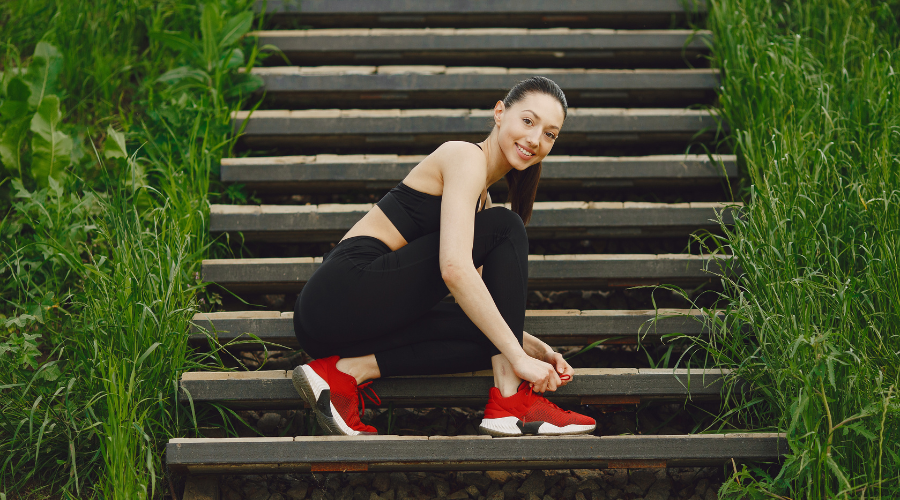
Not all Hoka shoes are for running. Many people use them for walking, traveling, or casual wear. Comfort is the priority.
Recommended Products:
- Hoka Bondi – Soft and cushioned for long hours of standing or walking.
- Hoka Clifton Edge – Casual style with athletic cushioning for daily use.
Tips: Look for lightweight shoes that support natural movement. Choose breathable fabrics to prevent overheating. Keep shoes roomy enough to prevent blisters during long walks.
How to Test Hoka Shoes Before Buying
Even the best shoes need to fit correctly. Testing ensures comfort and performance.
Tips for Testing:
- Try shoes in-store if possible. Walk or jog 5–10 minutes.
- Check heel snugness, midfoot fit, and toe box space.
- For online orders, use stores with easy return policies.
Proper testing prevents wasting money and avoids discomfort. Always check your gait and foot movement during testing.
Additional Tips for Choosing the Right Hoka Shoe
Other factors can affect your choice:
- Shoe weight: Lighter shoes are better for speed, heavier shoes for support.
- Terrain: Road, trail, or mixed-use shoes depend on your activity.
- Mileage: Replace shoes every 300–500 miles to maintain cushioning.
- Foot changes: Consider age, injuries, or changes in arch support needs.
Consult a podiatrist if unsure about your foot type or past injuries. Following these tips extends shoe life and improves performance.
Where to Buy Hoka Shoes
Hoka shoes are available on Hoka, authorized retailers, and popular online stores. Buying from official or trusted stores ensures accurate sizing and product quality. Look for seasonal deals or bundle offers for the best value.
Tips: Read product reviews and compare different models. Avoid unauthorized sellers to prevent counterfeit products.
Final Thoughts: Match Your Feet with the Right Hoka Shoe
The right shoe makes every step safer and more enjoyable. Hoka offers a variety of shoes for neutral, overpronating, and underpronating feet. Trail runners, casual walkers, and everyday users can all find options that fit perfectly. Choosing the right shoes helps prevent injuries, improve performance, and keep your feet comfortable.
Find your ideal Hoka shoe today and step confidently on every run or walk!