






“The best trips feel simple.”
“Smart planning beats lucky discounts every time.”
“A deal is a tool, not a gamble.”
Travel should feel exciting. It should feel like hope, not stress. But booking online can feel confusing. There are many buttons to press. Numbers are changing every minute. You might click on one deal and then doubt yourself. You might ask, “Did I just waste money?” This guide is here to help. It will make booking easier. It will make your choices smarter. And most of all, it will give you control.
Why This Guide Matters
Expedia is a trusted place to plan travel. Over 17 million travelers visit the site every single month. That is a huge crowd looking for better deals and smart tips. Expedia’s bundle offers can also save travelers up to 20% if used correctly. These are real savings. These are results someone like you can use. This guide teaches you how to get those results.
Before we start, think about something. How often have you booked a trip and later said, “I should have checked more options?” Many travelers feel that way. They rely on luck instead of strategy. You do not need luck. You need clarity. So, let’s build your clarity step by step.
Important Questions Before You Begin
Think about these questions before opening Expedia. Do you search with no plan and hope the cheapest price appears? Do you click the first low number and regret it later? Do you feel lost when the page shows 1,200 results? If you said yes, that’s normal. Most people do the same thing. But that is why this guide exists. It is time to change the pattern.
Planning before searching is the first superpower. You should know your needs before choosing your deal. Travel planning becomes lighter when your mind has direction. So let us start with planning.
STEP 1: Start Before You Click
Before you even open Expedia, get your travel basics ready. Write down your budget first. A budget is your shield. It keeps you focused. Also, write down your ideal dates, but mark if you are flexible. Flexible dates matter because prices change hour by hour. They change day by day. Being open to a different date might save you more than $100.
Next, think about filters you may need later. Do you need free cancellation? If yes, this must be a priority. Do you want a hotel in the city center? If not, how far from the center are you willing to stay? Thinking about these ideas first protects you from panic later. It protects you from rushing. It protects you from wasting hours.
Finally, write your deal breakers. Deal breakers are rules you will not change. For example, “No overnight flights,” or “No hotels below 7.5 rating.” Strong deal breakers make smart decisions easier.
STEP 2: Use the Search Bar Correctly
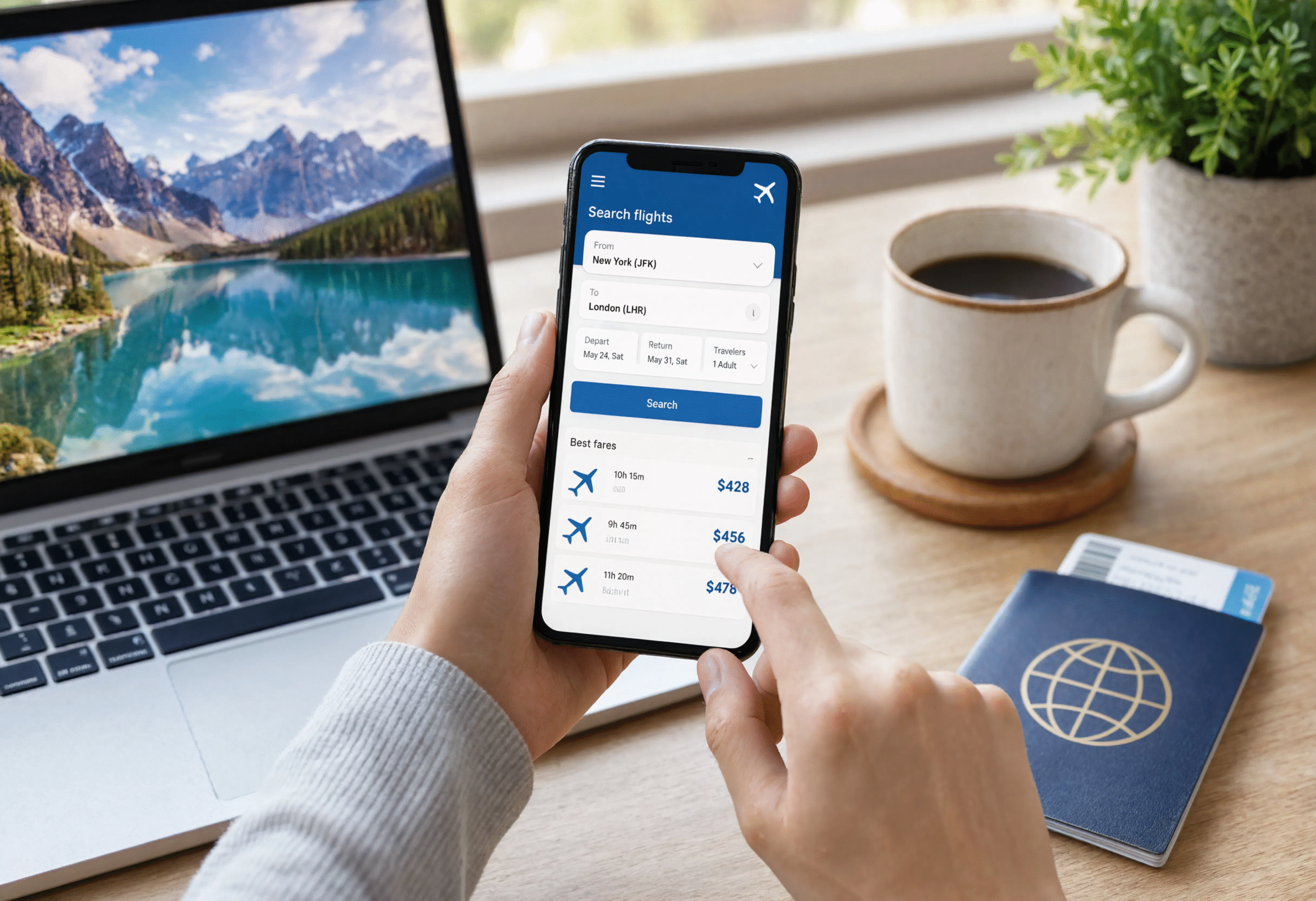
Many mistakes happen in the search bar. People type too fast. They guess locations. They skip details. Slow down and use the right input. When searching flights, always check round-trip and one-way prices. Sometimes round-trip prices are cheaper. Sometimes building a trip with two one-way tickets is smarter. Compare both in under 1 minute.
Try nearby airports. Big cities usually have more than one. Prices can change by $50 or $120 or even $200. That small change might pay for your breakfast for the whole trip. For hotels, include keywords like “city center” or the neighborhood name. This helps narrow results.
Also, use private or incognito mode. It helps avoid price cookies that track your activity. The site might not increase prices when you return. This is a small trick. But small tricks add up to big wins.
STEP 3: Use Filters Like a Pro
Filters are not limits. Filters are tools. They protect your time. They filter out trash results. They leave only the good options on the screen. Use them early.
Start with price. Choose a price range that feels safe. Do not select the lowest number. Sometimes the cheapest option hides fees. Instead, set a price that fits your comfort zone. Next, choose free cancellation if you want flexibility. It helps when plans change. Check traveler ratings after that. Ratings show the truth from real humans. Aim for 4 stars or higher for quality and peace of mind.
Location matters too. Choose neighborhoods near transportation. Staying far from the city center may seem cheaper, but taxi fares will drain your savings. Use the amenities filter only for important needs. Do not add too many preferences. Too many filters limit your results; balance matters.
Filters remove noise. They reveal your best options.
STEP 4: Understanding Packages and Bundles
Expedia offers many bundle options. You might see flight + hotel. Or hotel + car. Or all four, including activities. Bundles are not magic. They are not always cheaper. But they often create value.
For example, one traveler might book a flight for $480 and a hotel for $310. Buying them together might cost $650. That is a $140 saving. That is real. But if the hotel is far away, or if the flight times are bad, the deal is not worth it. So think. Ask questions.
Packages are best for families, new travelers, and short trips with fixed dates. But skip them if every detail must be perfect. Skip them if flexibility matters more than price. Skip them if a single part of the package feels wrong.
Bundles are helpful. But bundles require awareness.

STEP 5: Hidden Tools Most People Ignore
Expedia has hidden features. These tools are powerful. They save time. They save money. But most travelers skip them because they do not know what they do.
The Price Calendar shows the cheapest travel days. This is helpful when you have flexible dates. The Fare Graph visually compares price changes. It turns numbers into patterns. The Map View shows where hotels are located. This helps you avoid staying far away.
Also, check Nearby Airports. A small airport outside the city sometimes has lower taxes. That lowers the flight price. Use Sort by Distance if convenience matters more than price. Small details matter when traveling.
STEP 6: Solving Real Travel Problems
Travel problems happen. That is normal. But knowing quick fixes gives confidence. If prices change at checkout, do not panic. Refresh the page. Clear cookies. Try another browser. Price tracking systems sometimes adjust numbers.
If the results list feels too long, take control. Set price filters first. Then rating. Then the location. This reduces stress. It creates clarity. If reviews feel confusing, read repeated comments. If the same complaint appears three times, trust it.
Travelers lose money when they ignore signs. Do not ignore signs.
STEP 7: Three Real Booking Examples
A solo traveler going to Lisbon wants safety and comfort. They should pick city center hotels with ratings above 8.0 and free breakfast. They should select public transport access. This reduces fear and cost.
A family traveling to Disney wants convenience. They should look for free shuttles and breakfast. These small features save money daily. The money saved might cover snacks or souvenirs. Packages could be smart here.
A couple planning a weekend escape wants peace. Look for spa access, quiet rooms, and 4-star hotels. Price matters, but comfort matters more here. A slightly higher price could improve the whole experience.
Every traveler type has different needs. Filters adapt to those needs.
STEP 8: The Math of True Travel Value
A cheap deal is not always a real deal. That is the truth. A cheap flight might mean arriving at midnight. Then you pay $60 for a late taxi. Then you lose the value. An affordable hotel might charge for breakfast. That increases your cost.
Always calculate the total value. Divide the cost by the number of nights. Consider travel time. Consider transport distance. Consider luggage fees. A deal is only a deal if it fits your life. This is not just math. This is real wisdom.
STEP 9: Your 60-Second Expedia Ritual
Before booking, run this ritual. Set a timer for one minute. Open the search bar. Enter your location. Select flexible dates. Choose three filters: price, rating, and neighborhood. Then read five reviews on each top choice. Check the map. Compare bundle and single price. Screenshot the best results.
This ritual builds confidence. It builds awareness. It makes booking faster. One minute can protect you from three days of regret.
Final Reflection
Travel is not only a trip. It is a story; a memory. You deserve memories that feel good. You deserve to feel in charge. So use what you learned here. Plan before you search. Know what matters. Use filters with purpose. Compare Expedia bundles with clarity. And never forget travel math.
“A deal is only a deal if it fits your life.”
“Filters are tools, not walls.”
“You don’t need luck. You need clarity.”